



Care & Cleaning
Why is care and cleaning important?
With the right care, your instruments will retain their sound, appearance, and playability for years to come. Here, we'll show you how.
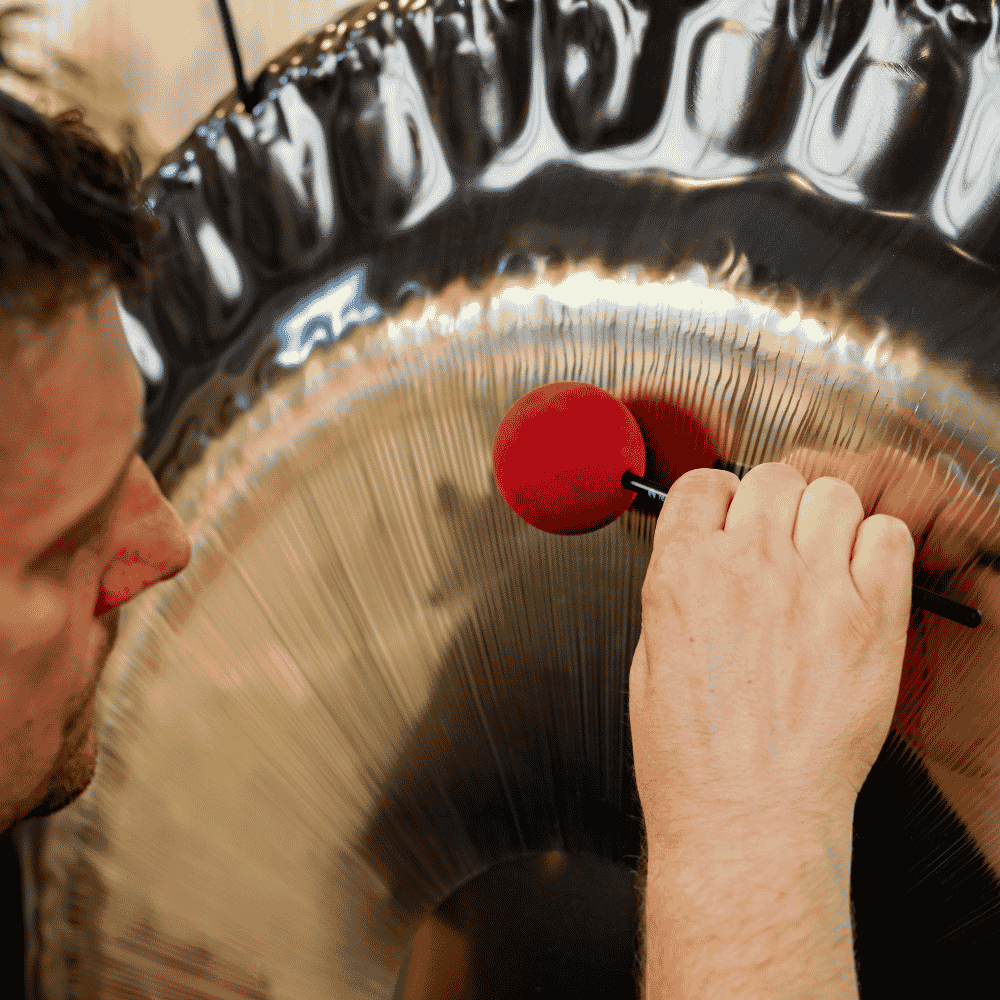
Why bother with maintenance at all?
Without care, the sound suffers
Your instruments are handcrafted from metal, wood, and natural caoutchouc. Without proper care, the friction mallet will harden, the fleece will become matted, and the gong will lose its luster. With a few simple steps, you can preserve both the full sound and the beautiful appearance.
An example
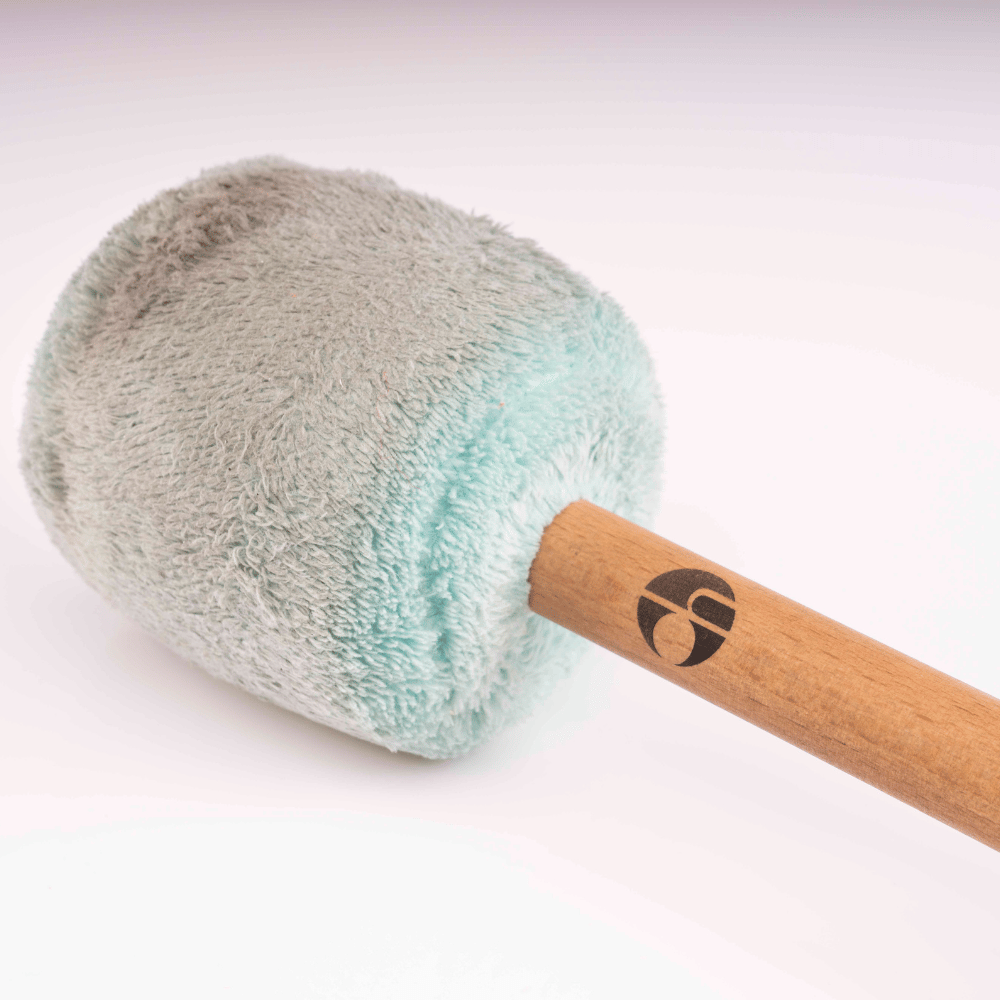
This is what an unkempt mallet looks like
A hardened, misshapen head, brittle wood, and dull spots. You can prevent this with a few simple steps—we'll show you how.
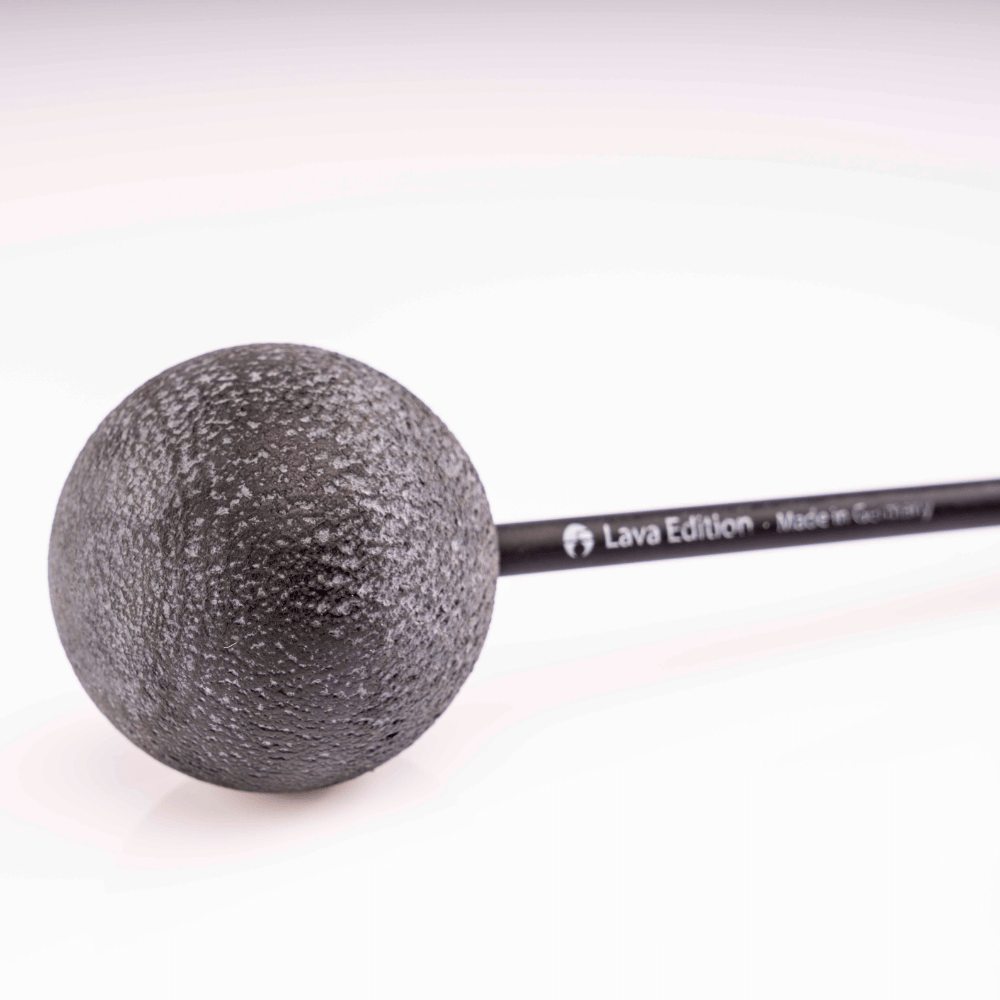
Here's another example
This is what a dirty friction mallet looks friction mallet
Dust, resin, and skin oils build up on the friction surface—the friction mallet slippery and loses its grip. Often, a slightly damp cloth is all it takes to restore its grip.


Family-Owned Business
For us, sound is a family affair
Every mallet and every friction mallet in our own workshop. From the very first step to the final sound check, everything is handled in-house, with time, experience, and attention to detail.
- 100 %
- Handcrafted
- 1
- Family, a Workshop
- ∞
- Attention to detail

FAQ
Frequently Asked Questions About Care
Short answers to the most common questions about care and cleaning.
How often should I clean my instruments?
It's best to do this regularly and in small steps. After playing, give your gong a quick wipe with a dry, soft microfiber cloth, and gently brush your friction mallet two to three uses. This prevents dirt from building up in the first place, ensuring you'll enjoy its full sound for a long time to come.
How do I store my mallets properly?
Always keep it dry and protected from UV light. friction mallet store friction mallet in the included zipper pouch in a dark place to prevent the rubber ball from drying out. Store mallets lying flat so the head retains its shape. Avoid direct sunlight and hot air from heaters.
How do I keep my friction mallet drying out?
Your biggest enemy is UV light. friction mallet store your friction mallet in its zipper pouch and keep it in a place that’s as dark and dry as possible. Avoid direct sunlight and keep it away from heat sources. This will keep the rubber ball soft and ensure your sound remains full and resonant.
What's the best way to clean my gong?
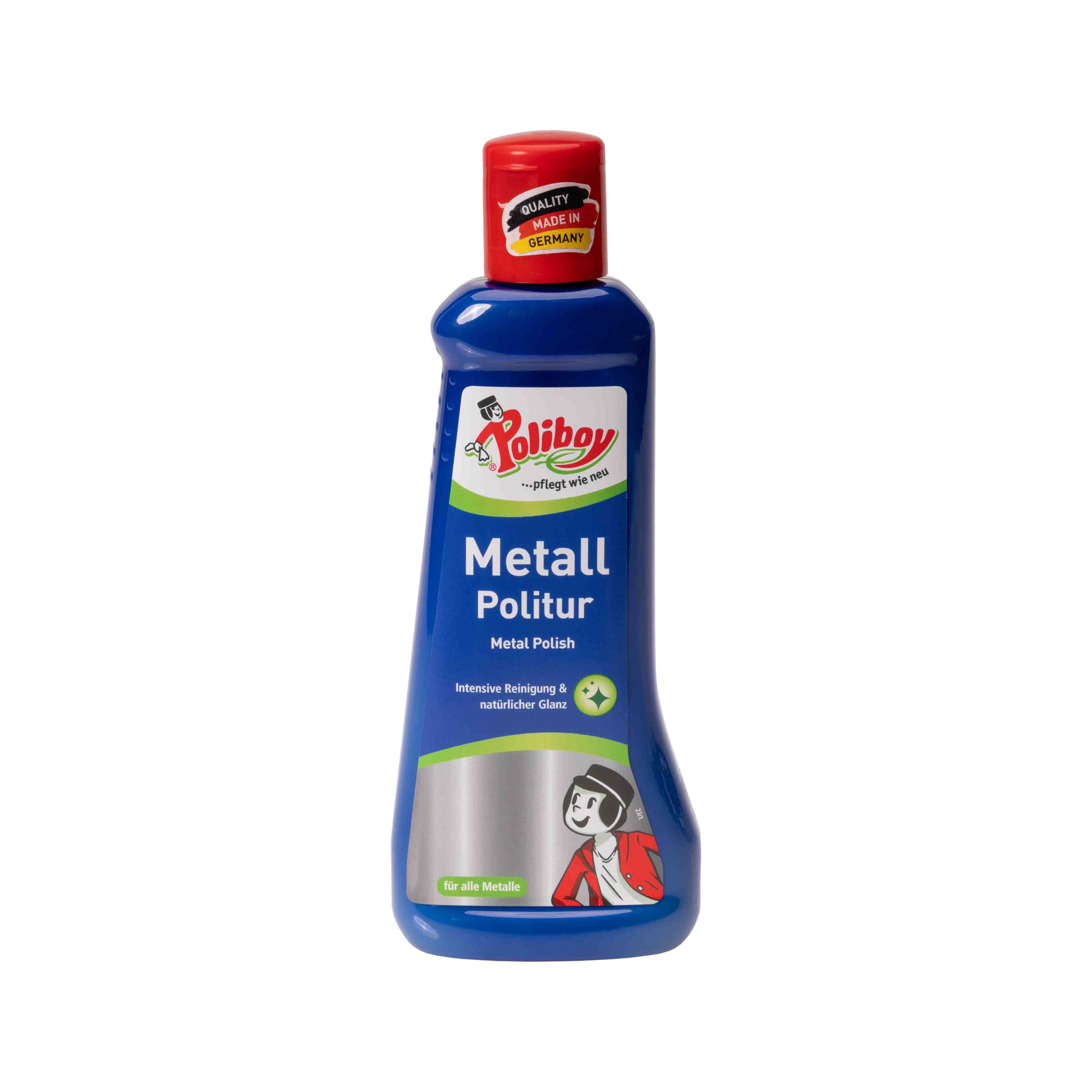
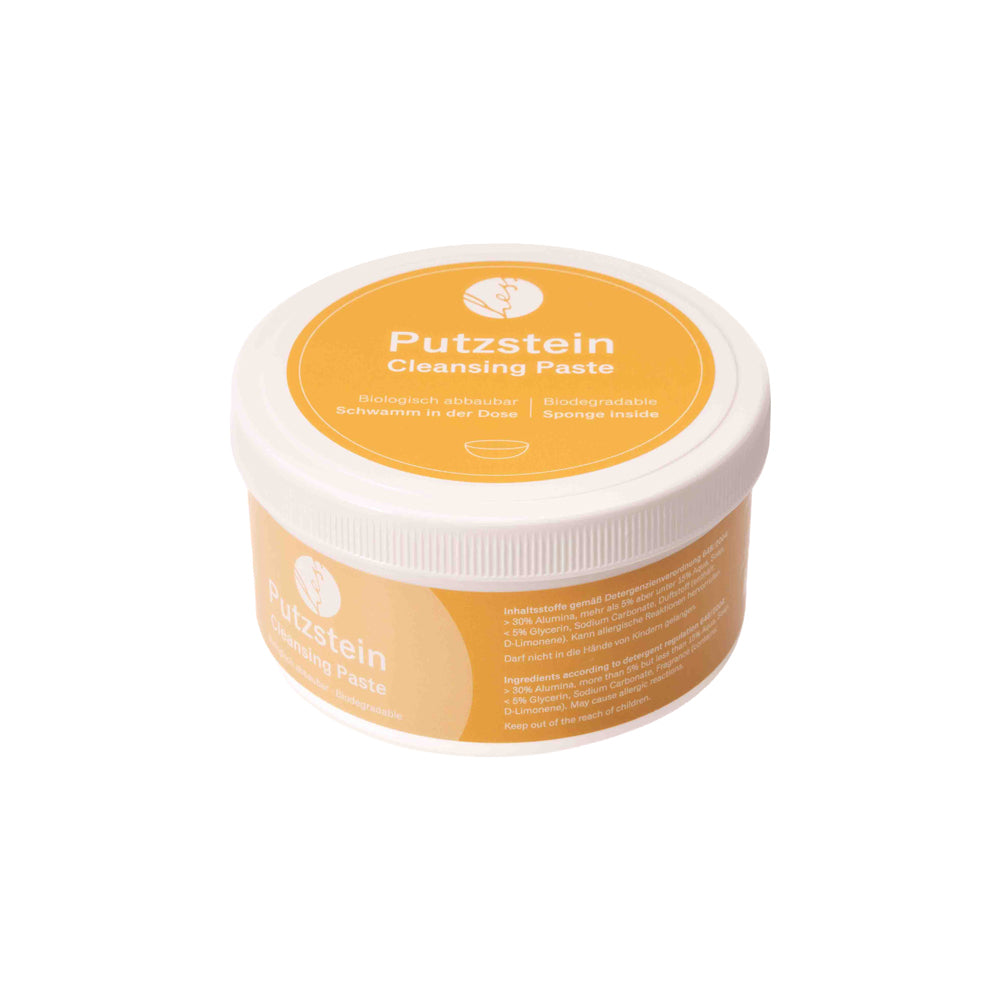
Polish nickel-silver gongs with a dry, soft microfiber cloth and Poliboy metal polish. Bronze gongs (TamTam, Feng-Gong) are best cleaned with a polishing stone. Use only products designed for musical instruments; do not use harsh household cleaners.
Why does my friction mallet sound different?
This is almost never due to a quality issue, but rather to a hardened rubber ball or dirt on the gong. Regular brushing and a clean gong usually solve the problem on their own.
Are your mallets and friction mallet ?
Yes. Minor variations in color or finish are completely normal and do not constitute a defect. They make your instrument unique and do not affect the sound.
Grooming Accessories
Here's what you need for grooming
The right accessories to keep your instruments looking great for a long time.