What is a gong mallet?
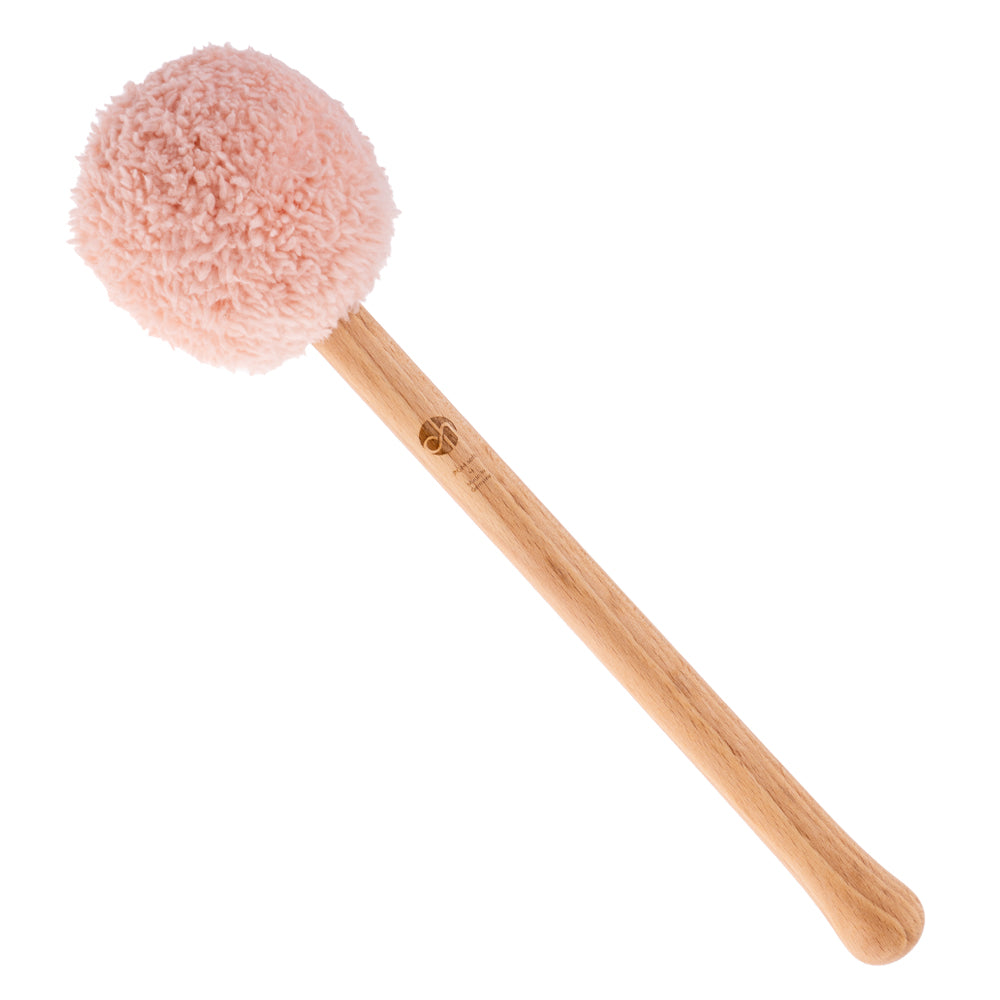
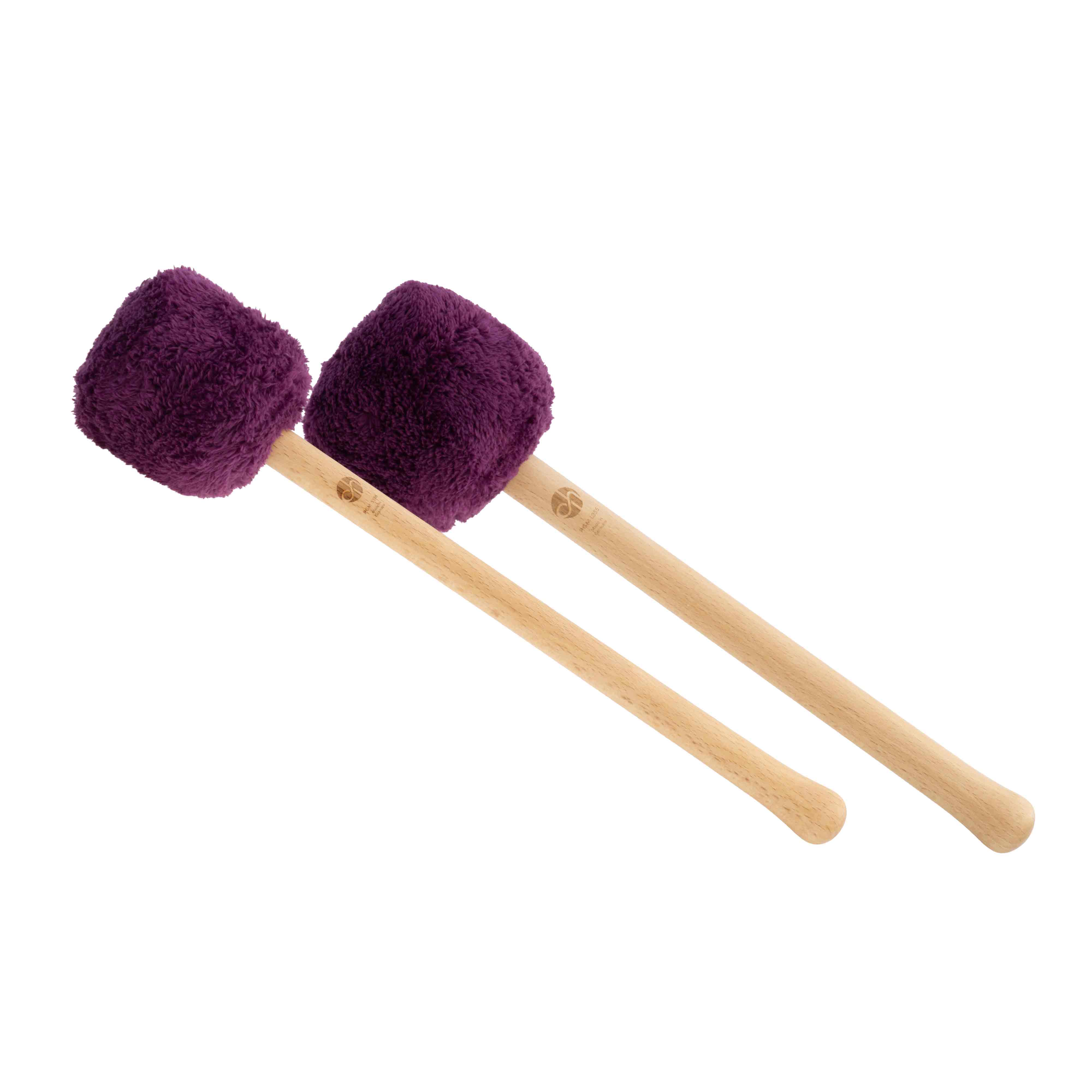
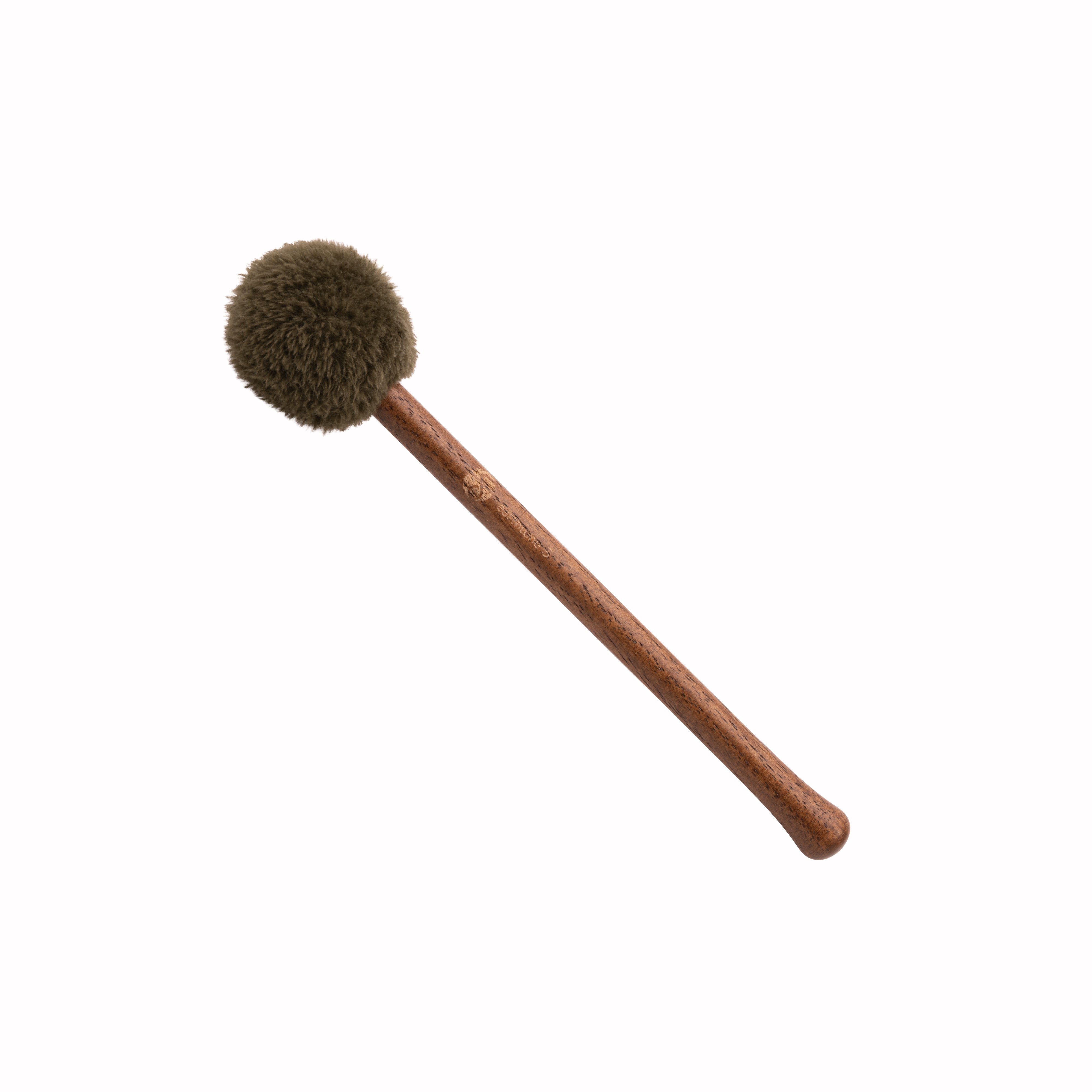
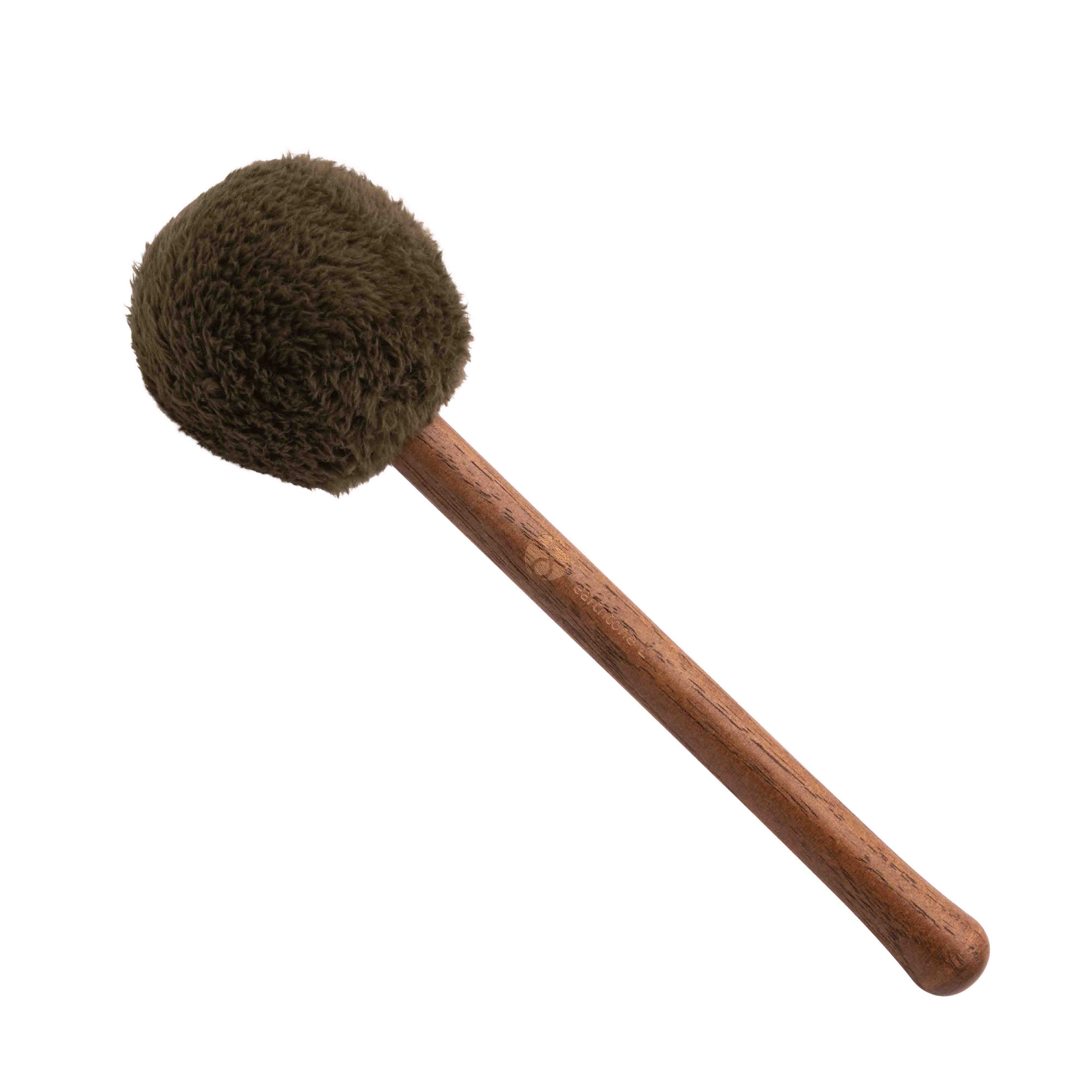
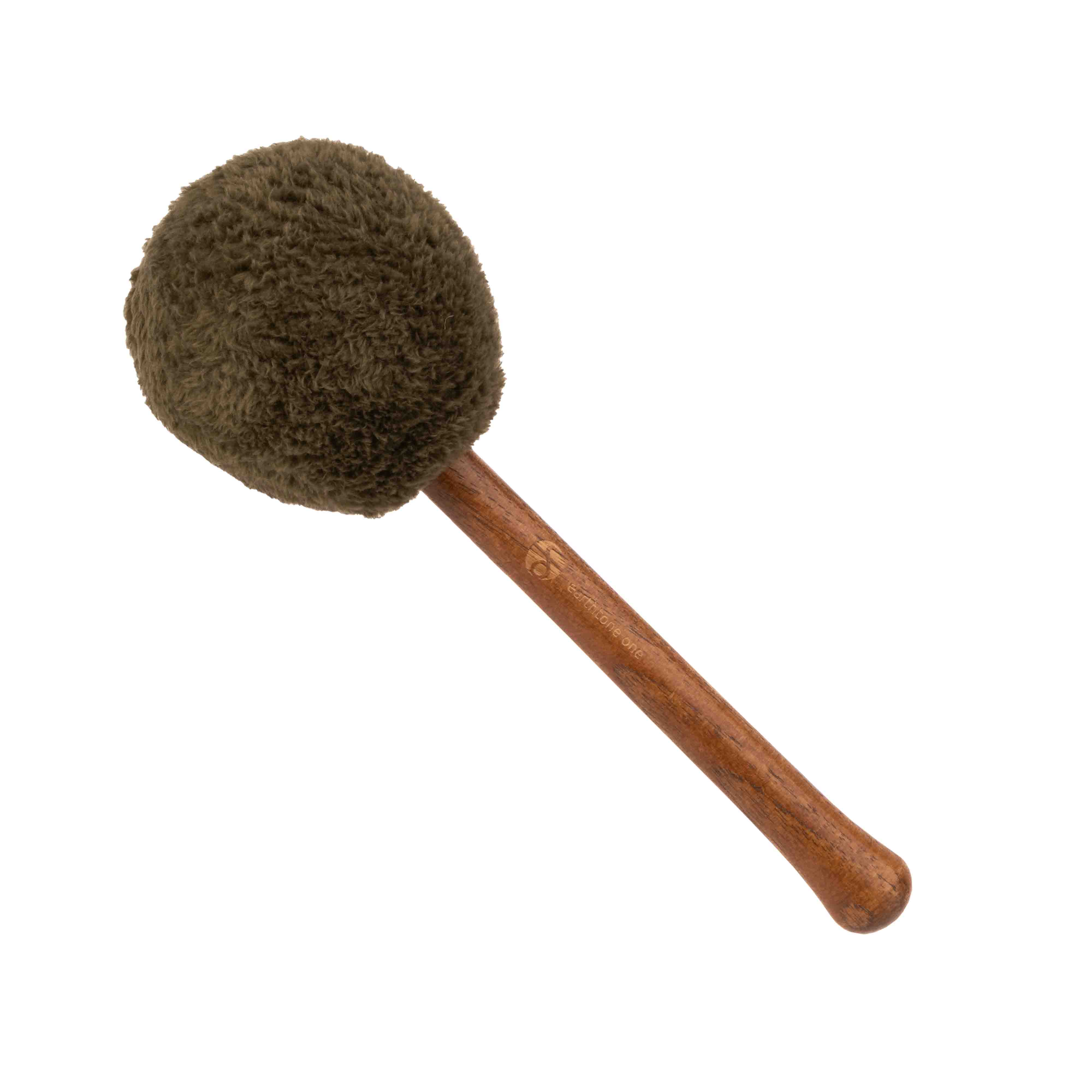
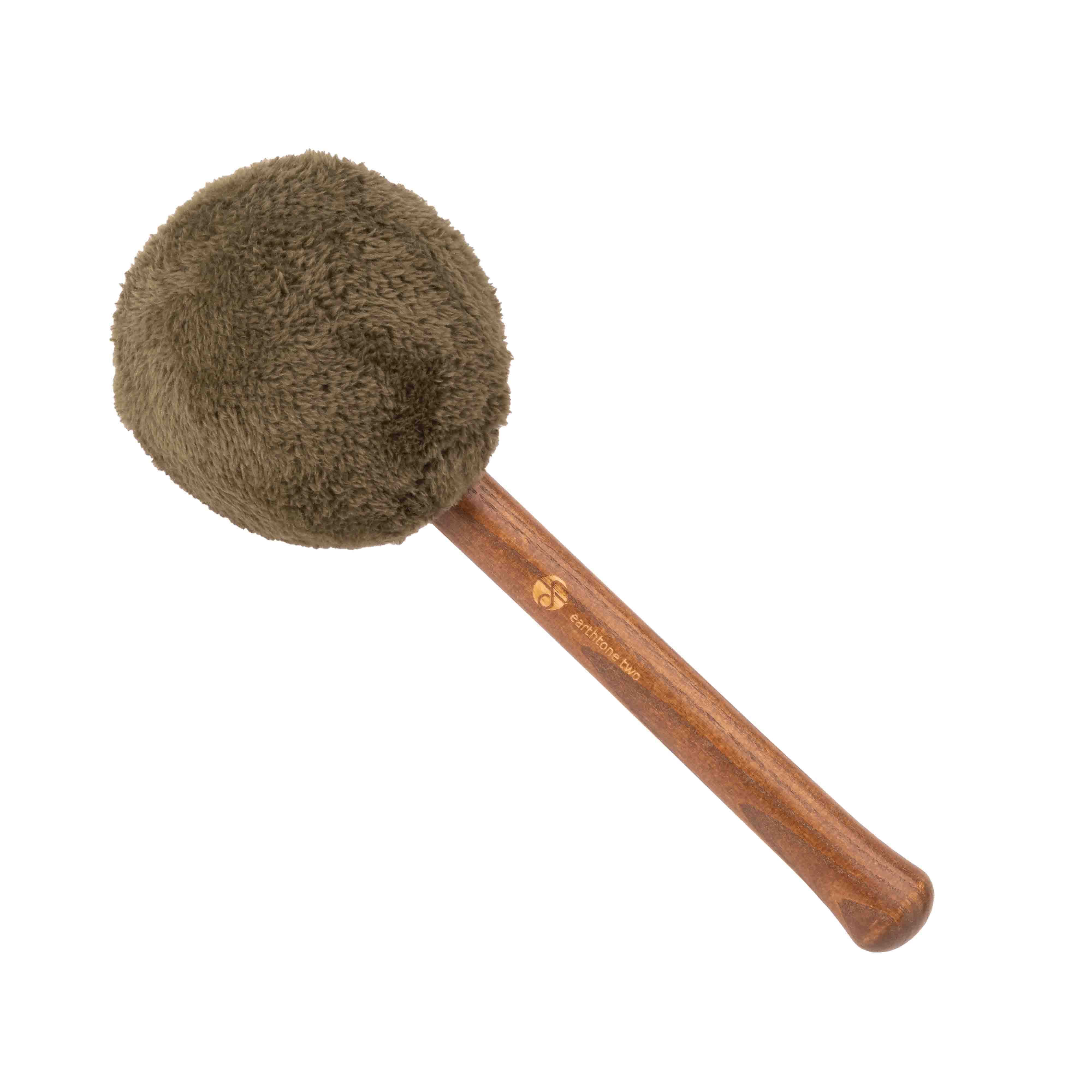
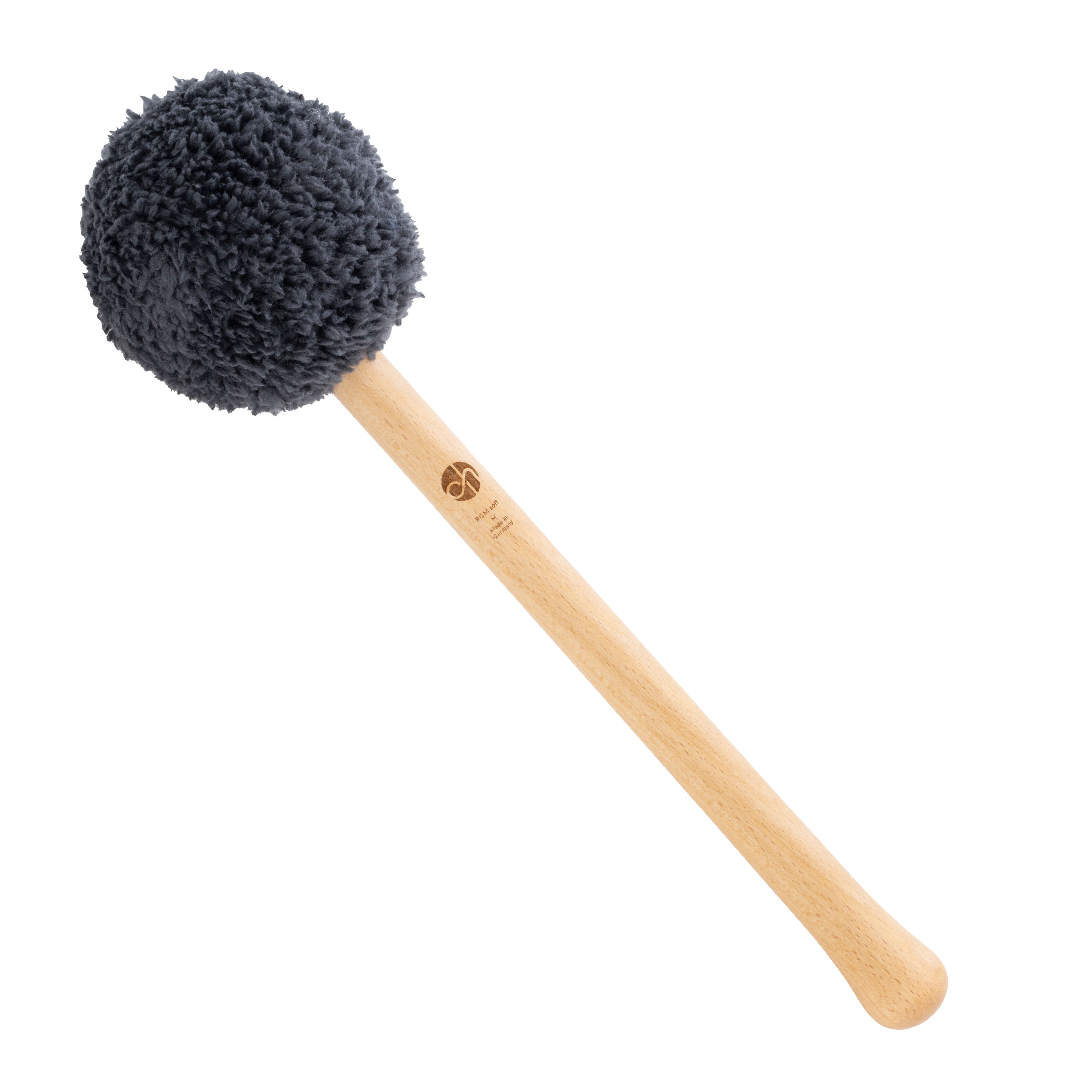
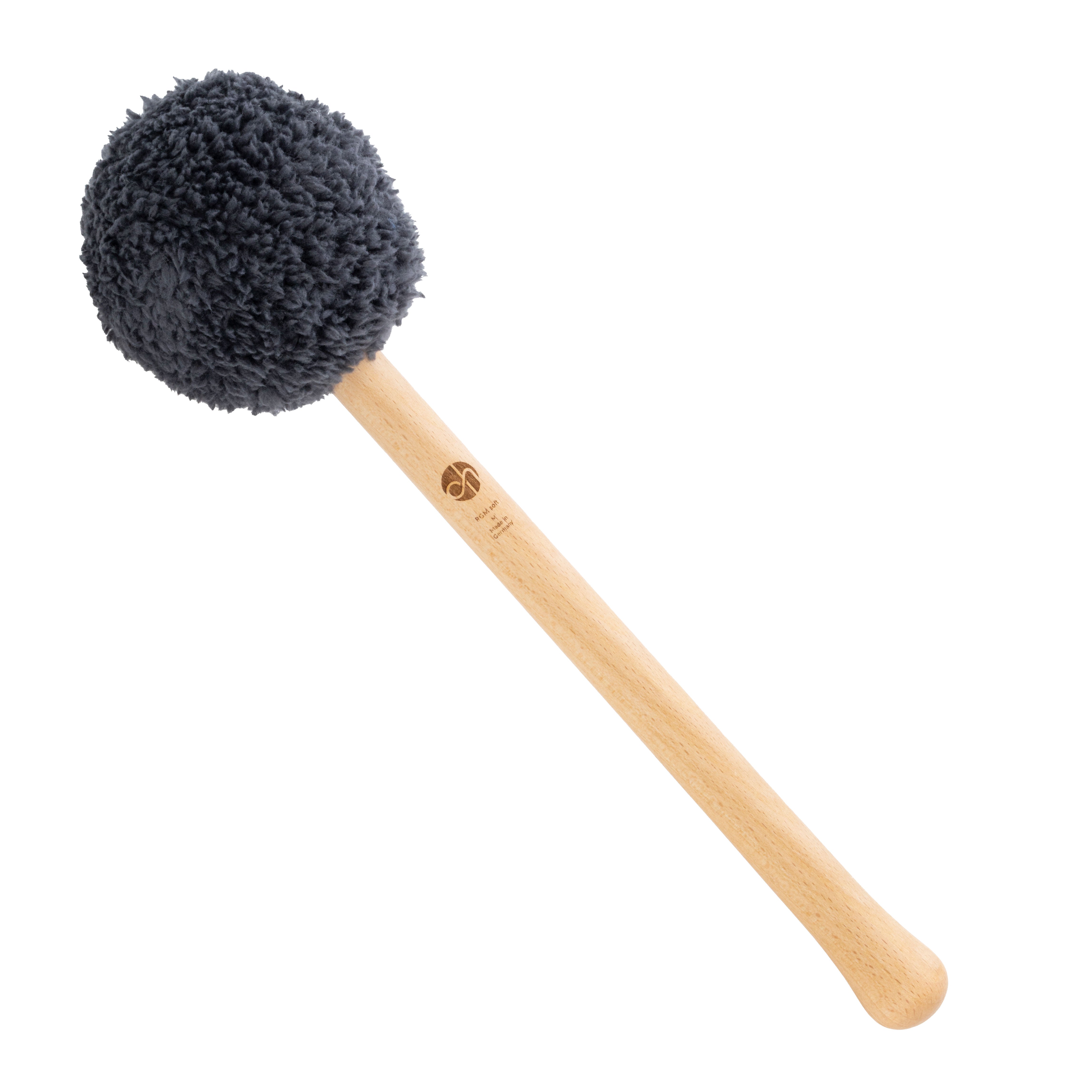
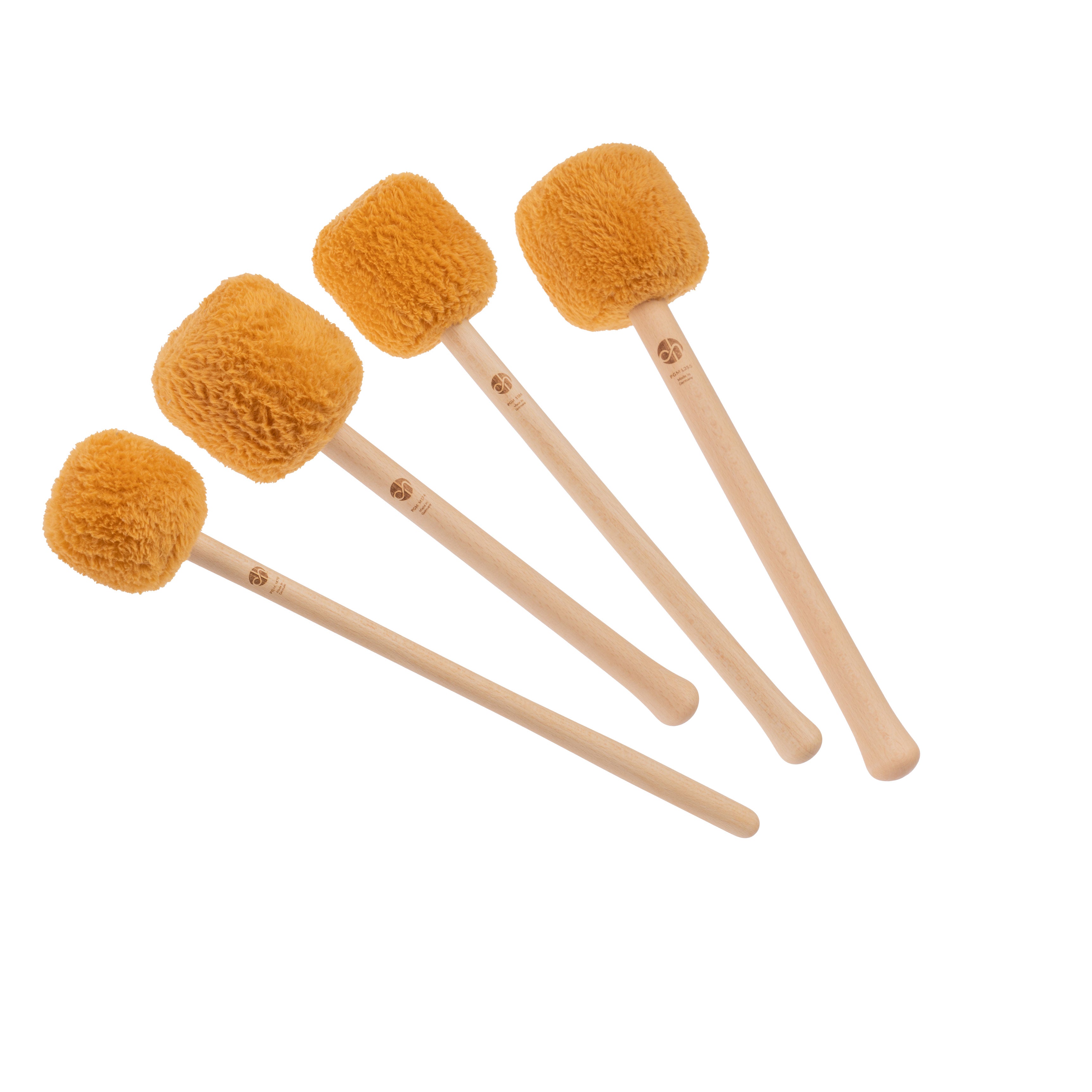
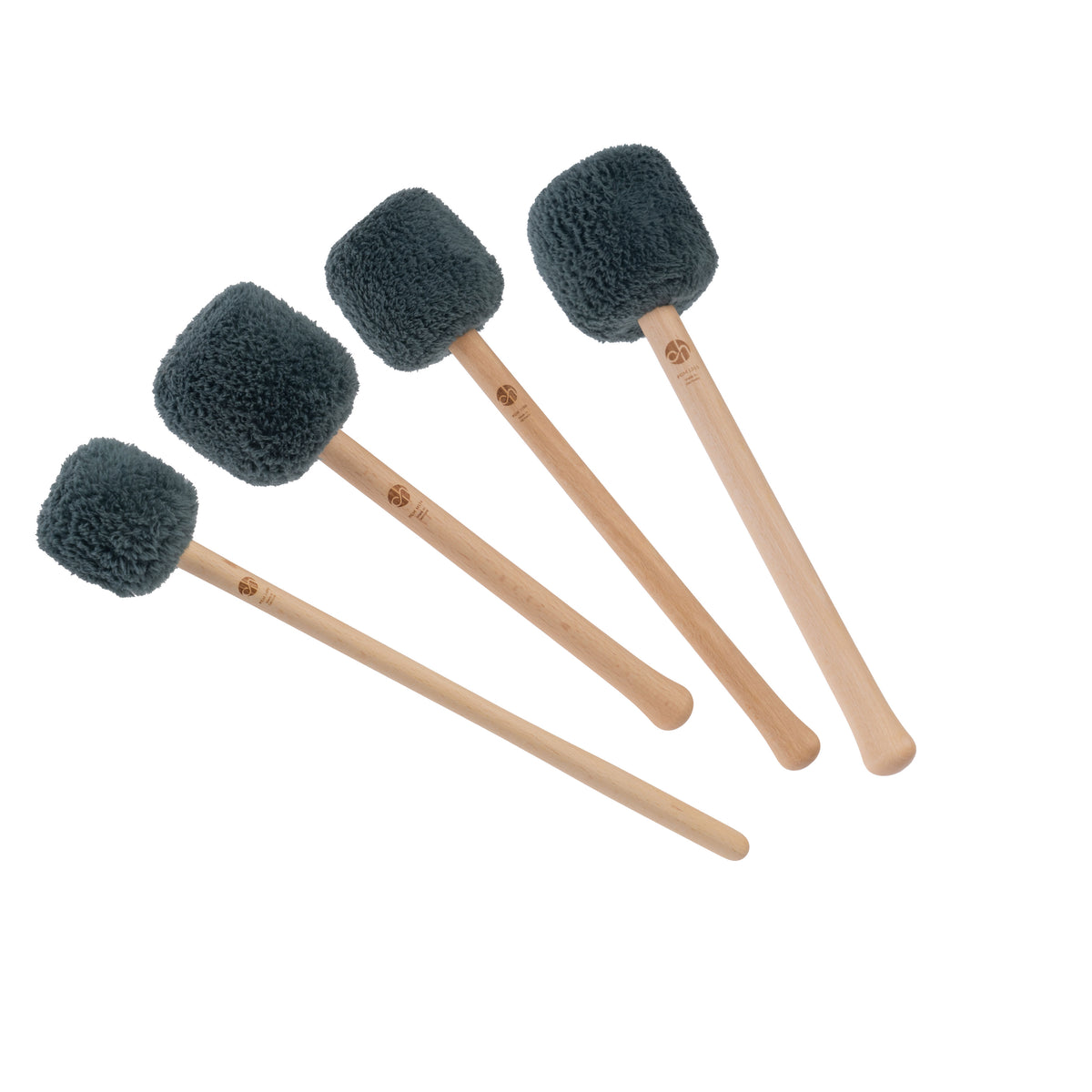
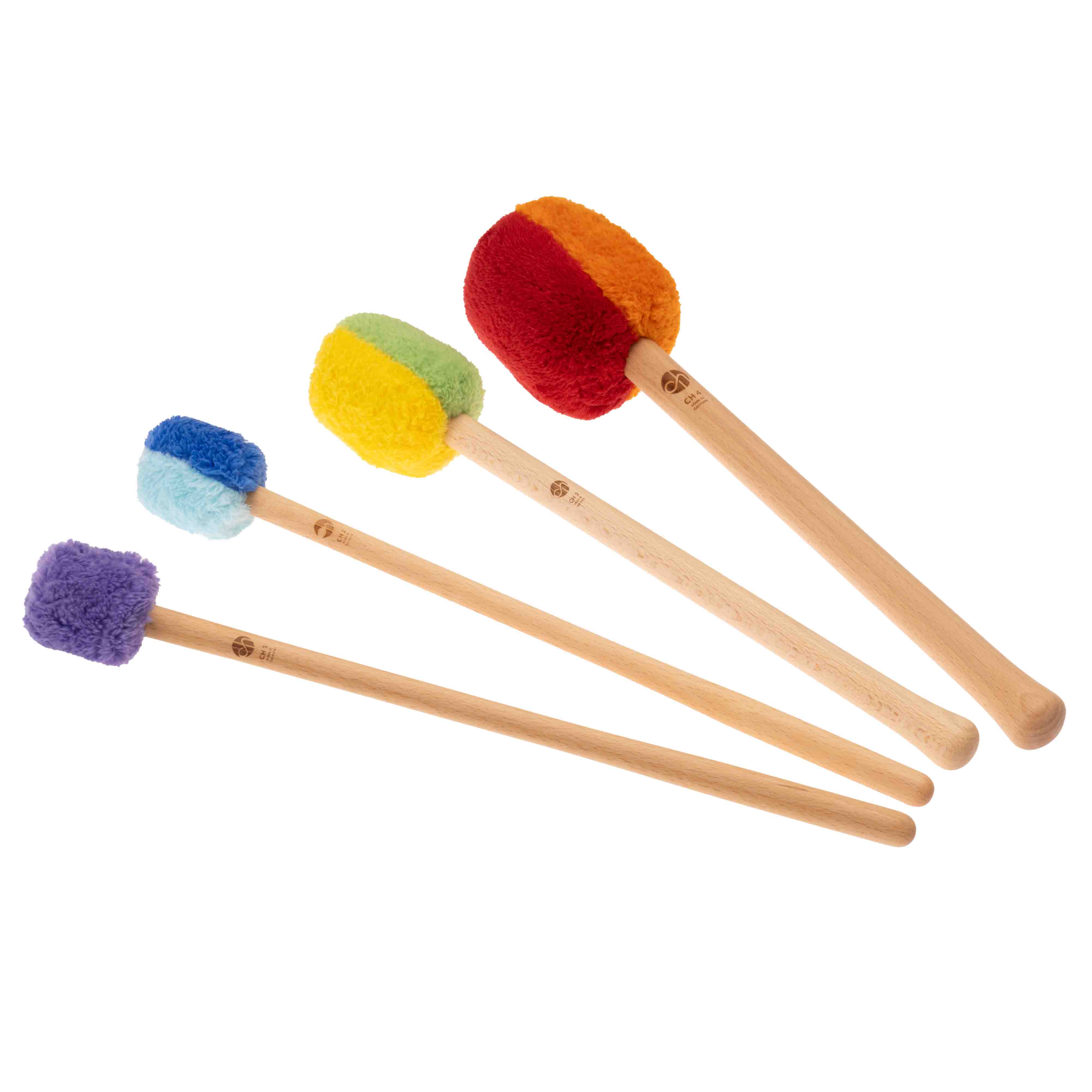
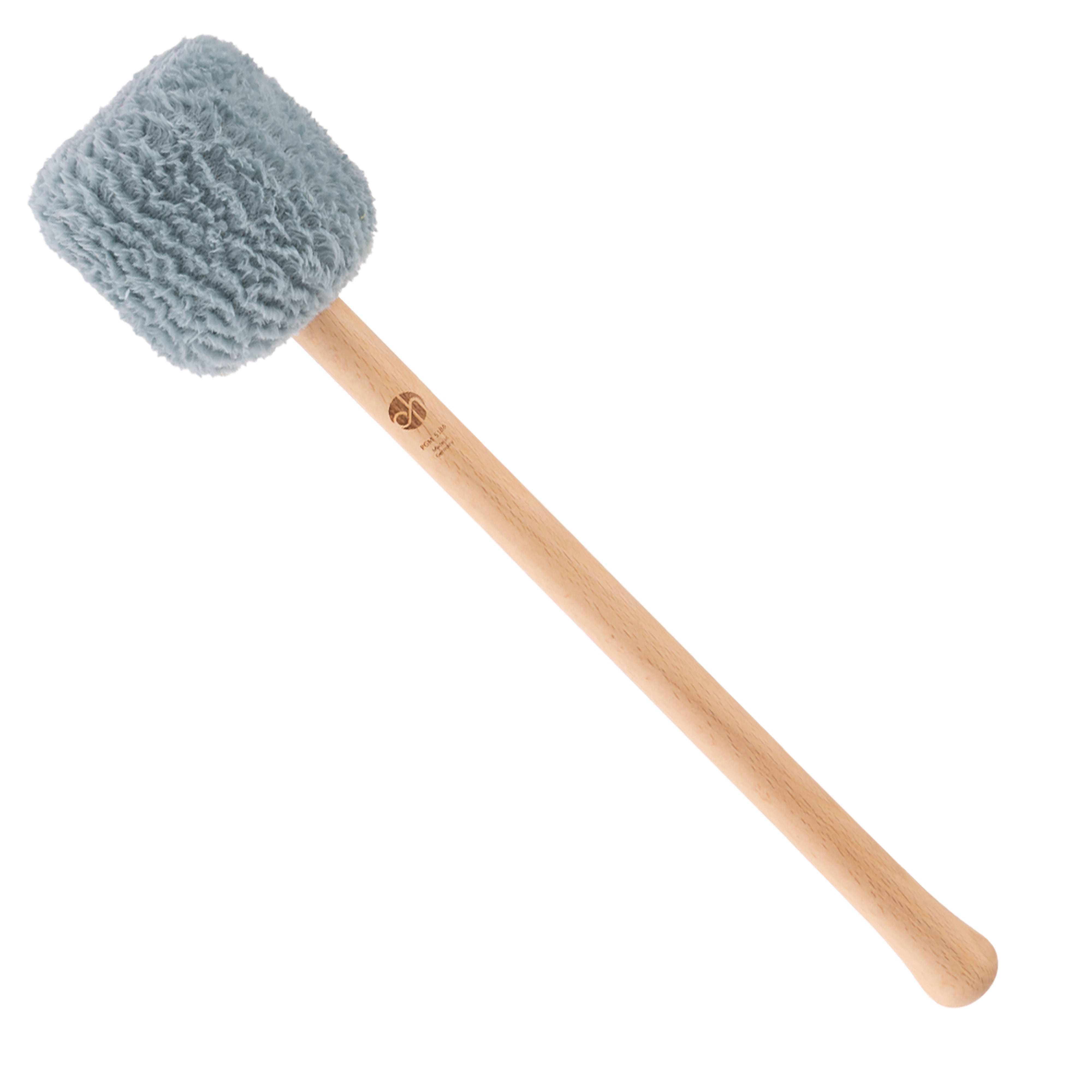
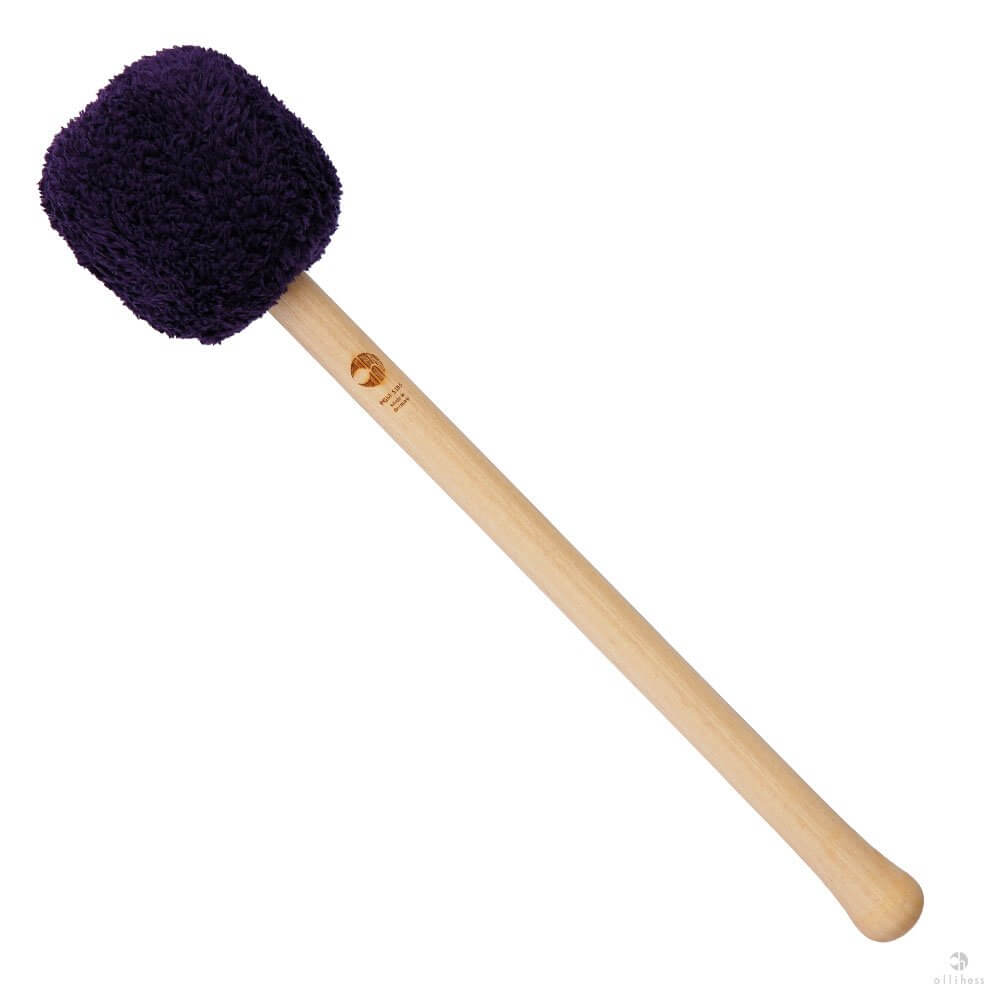
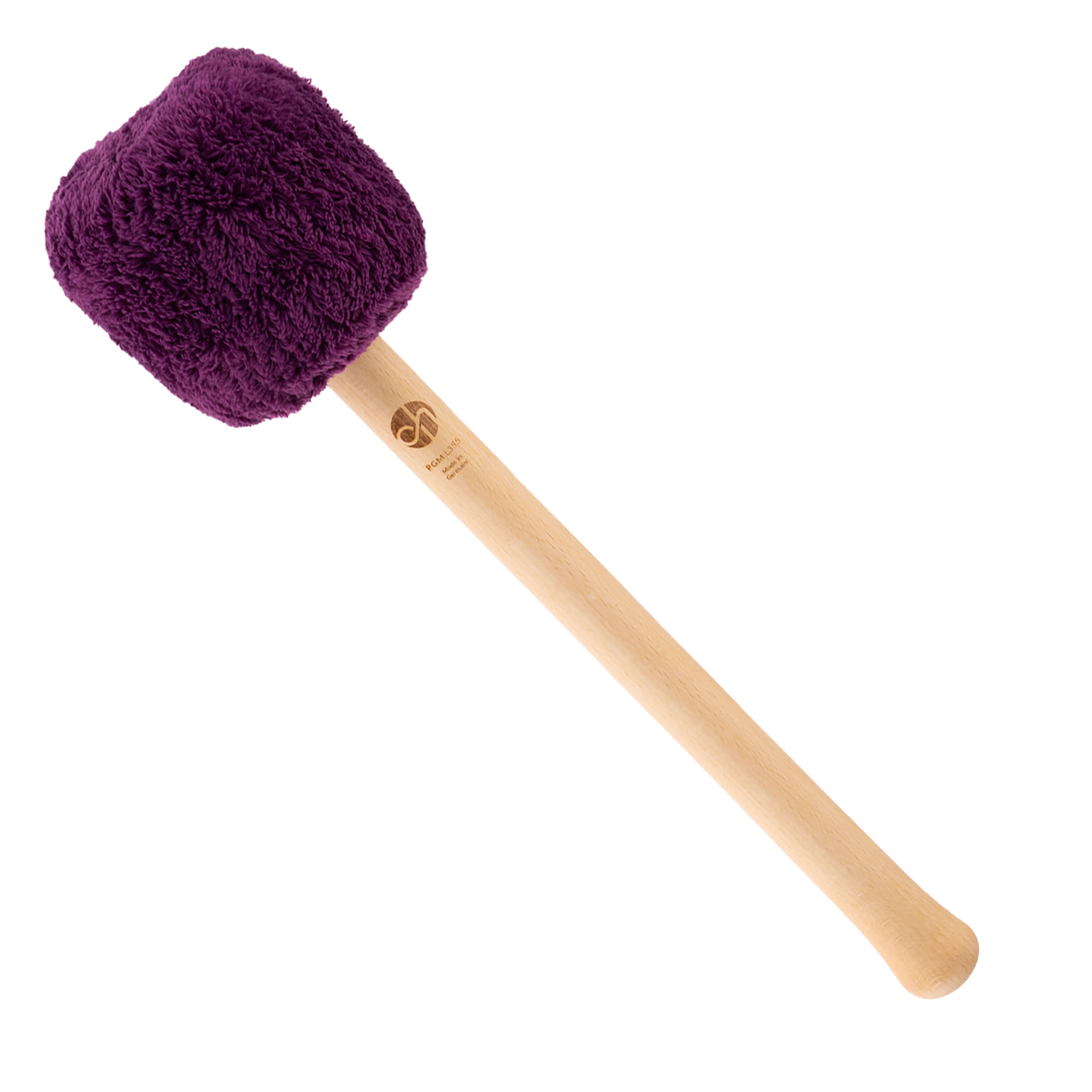
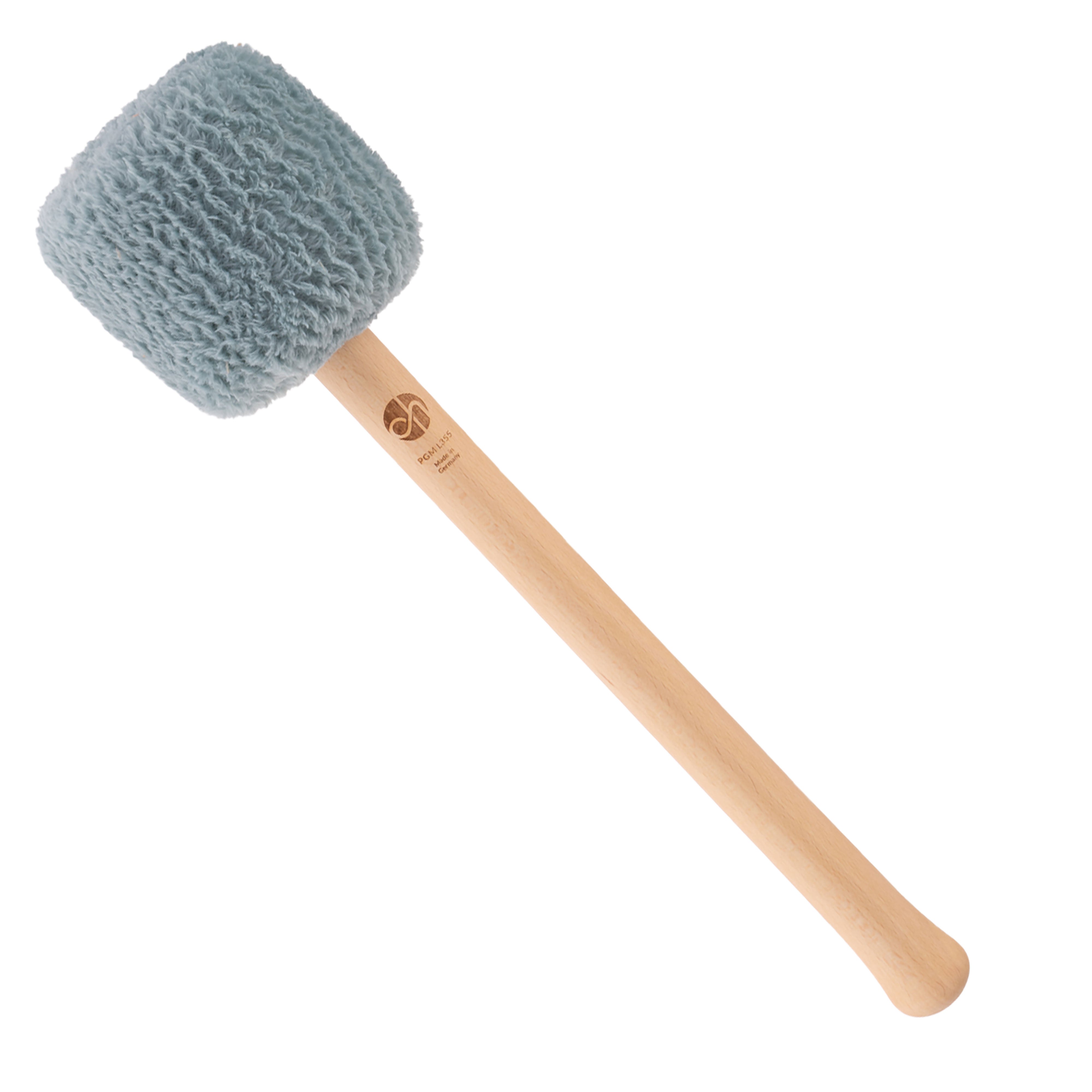
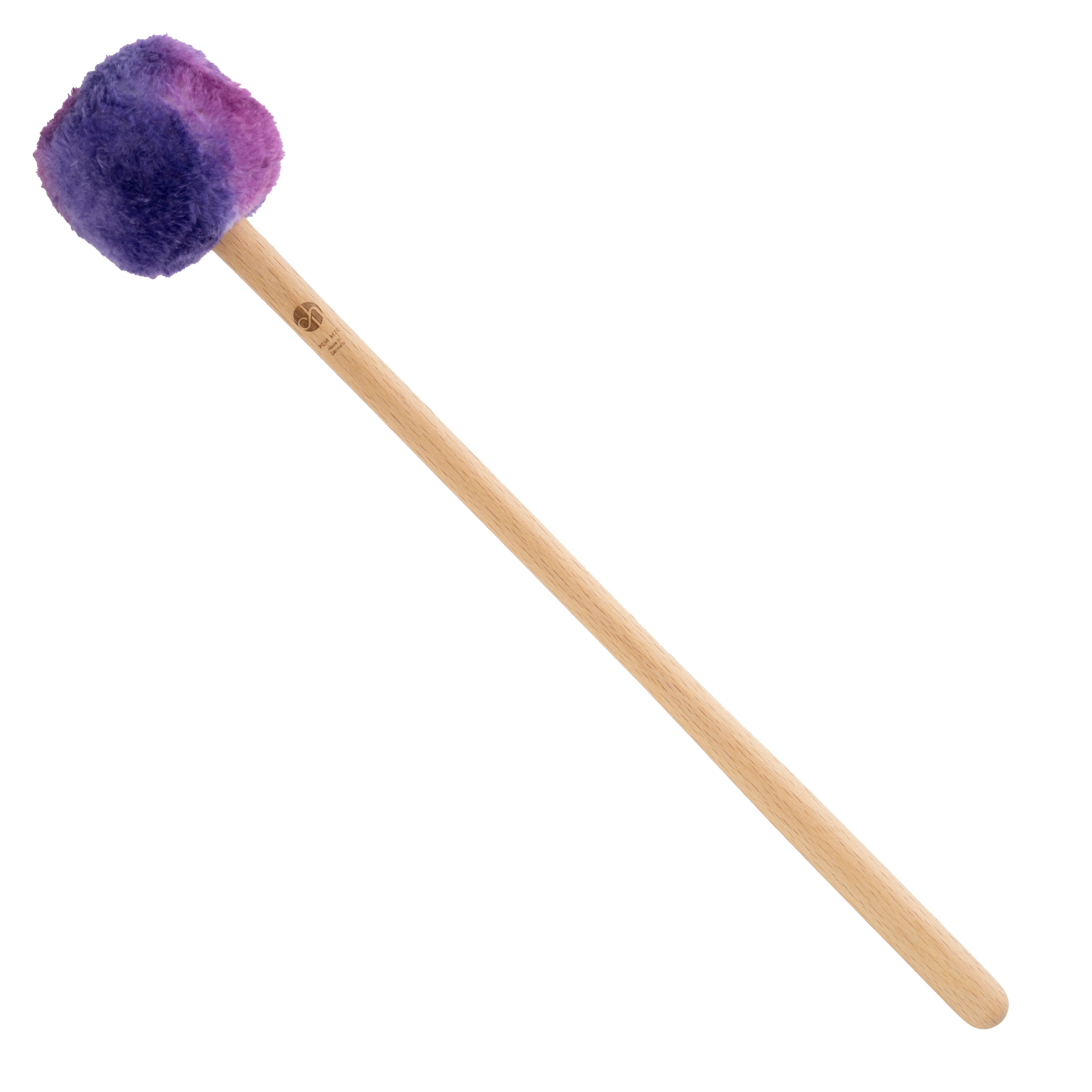
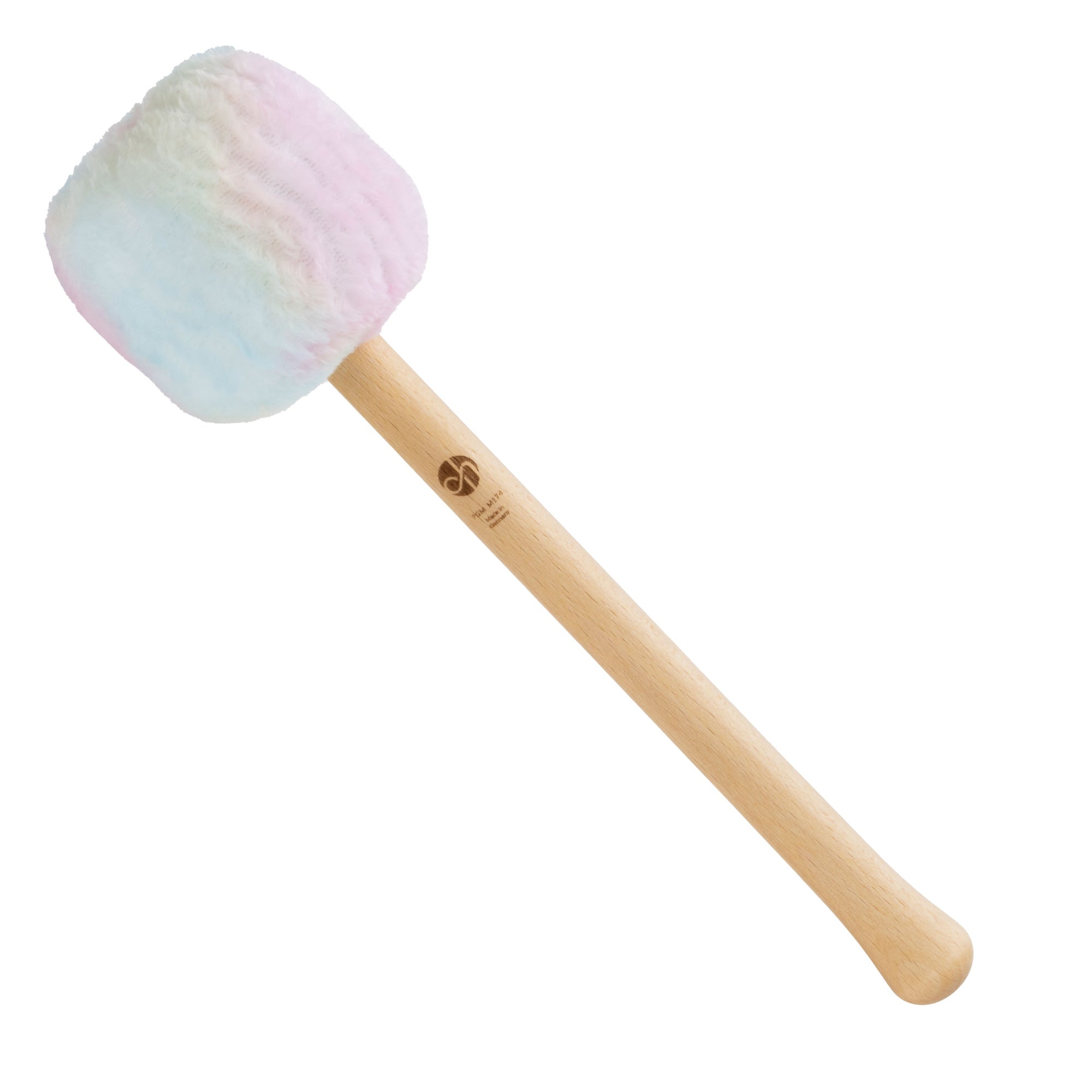
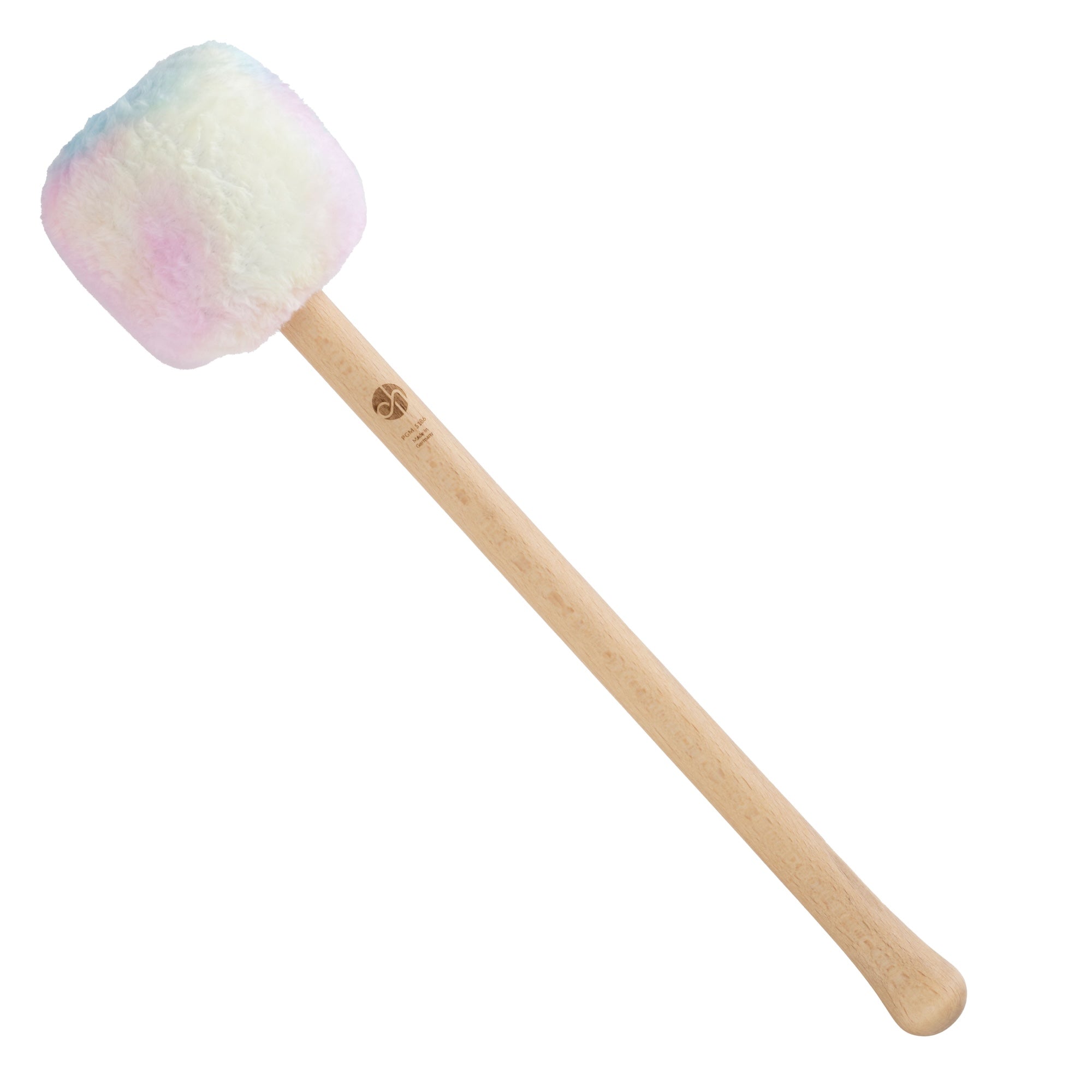
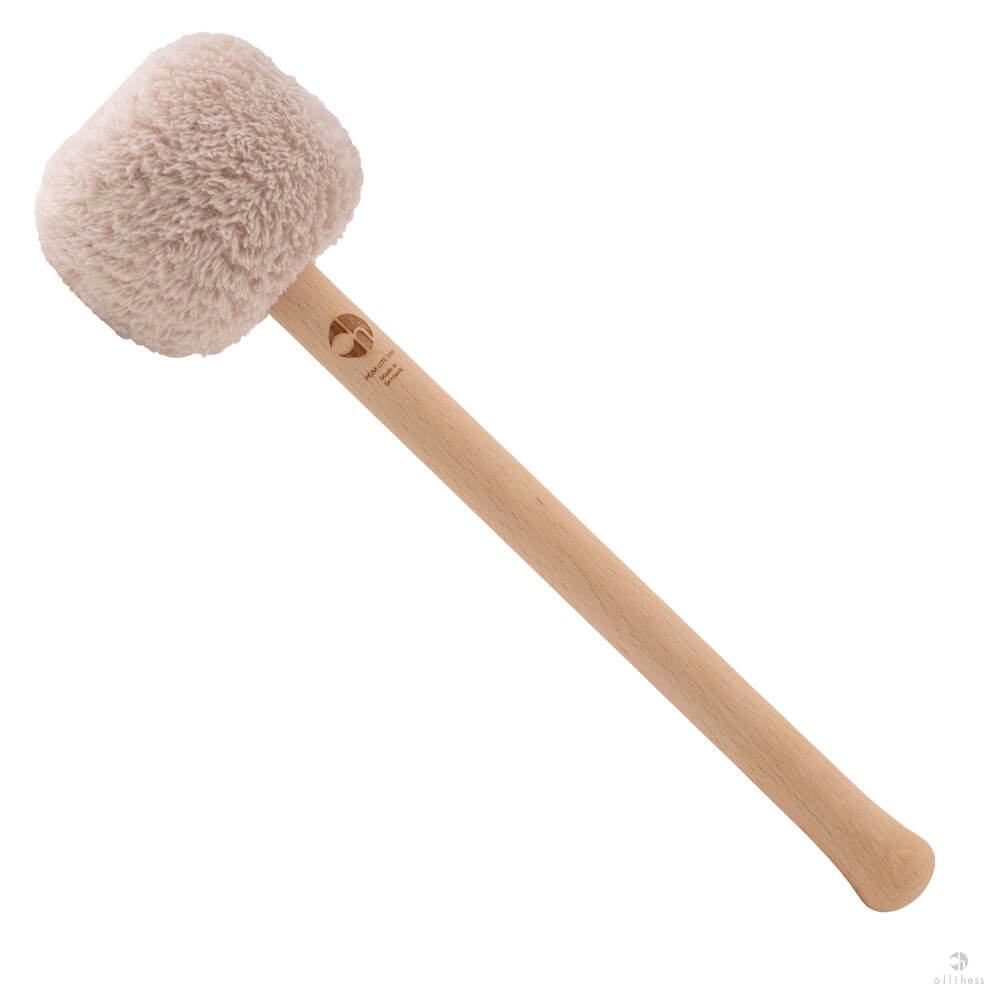
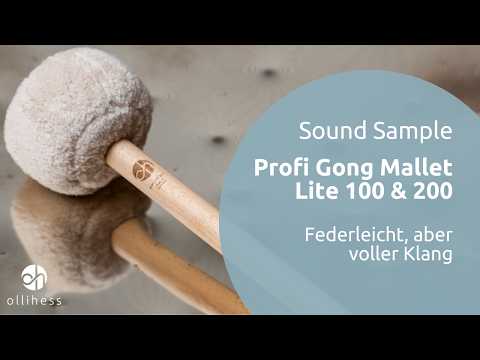
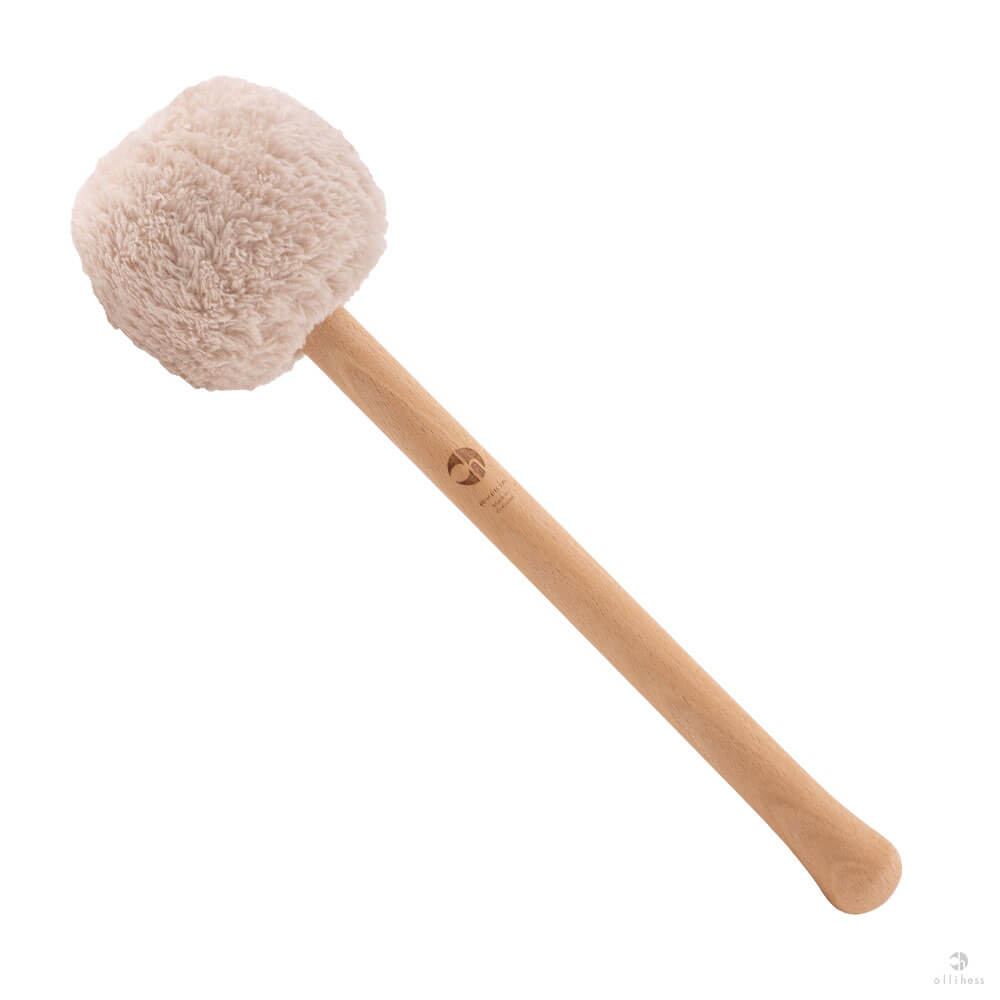
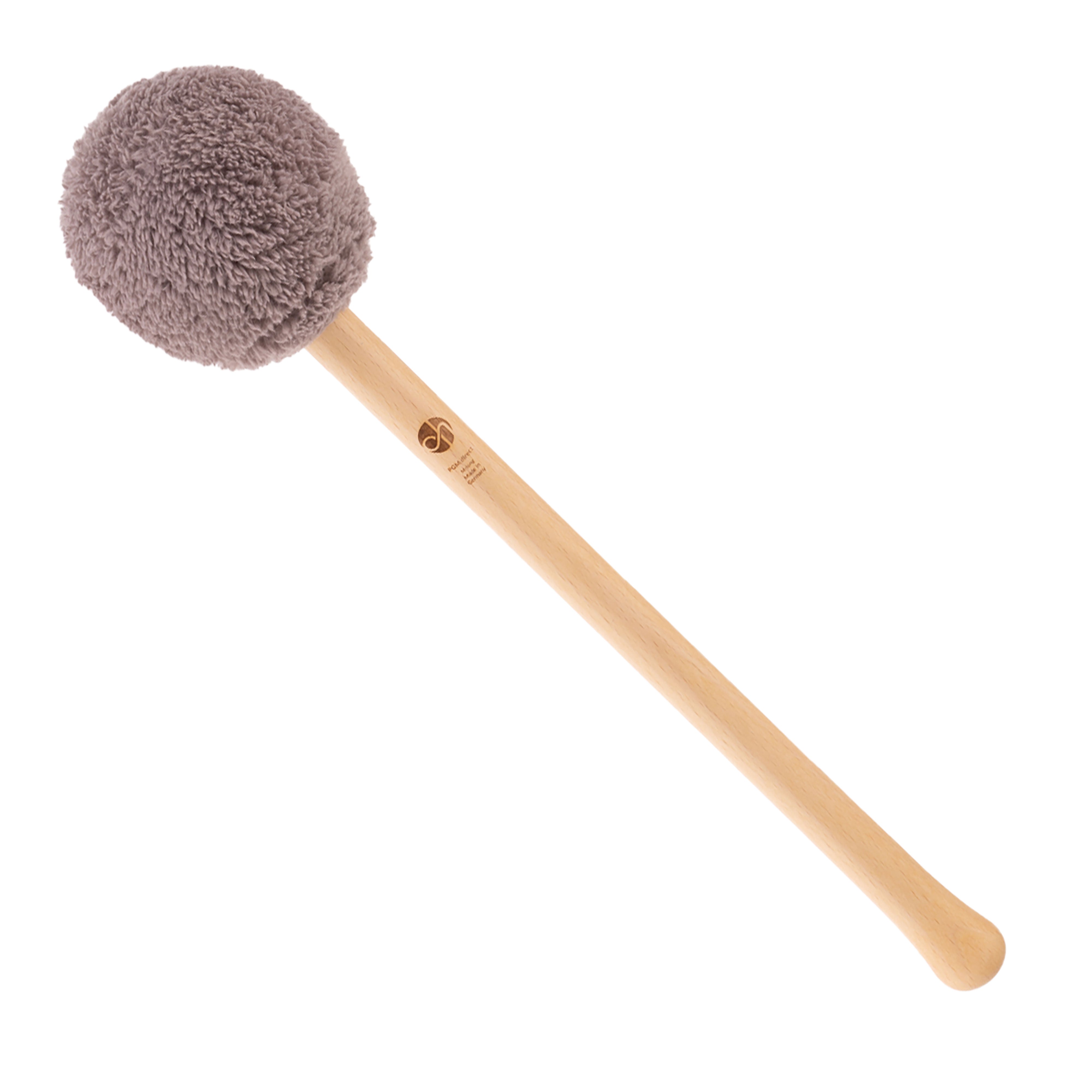
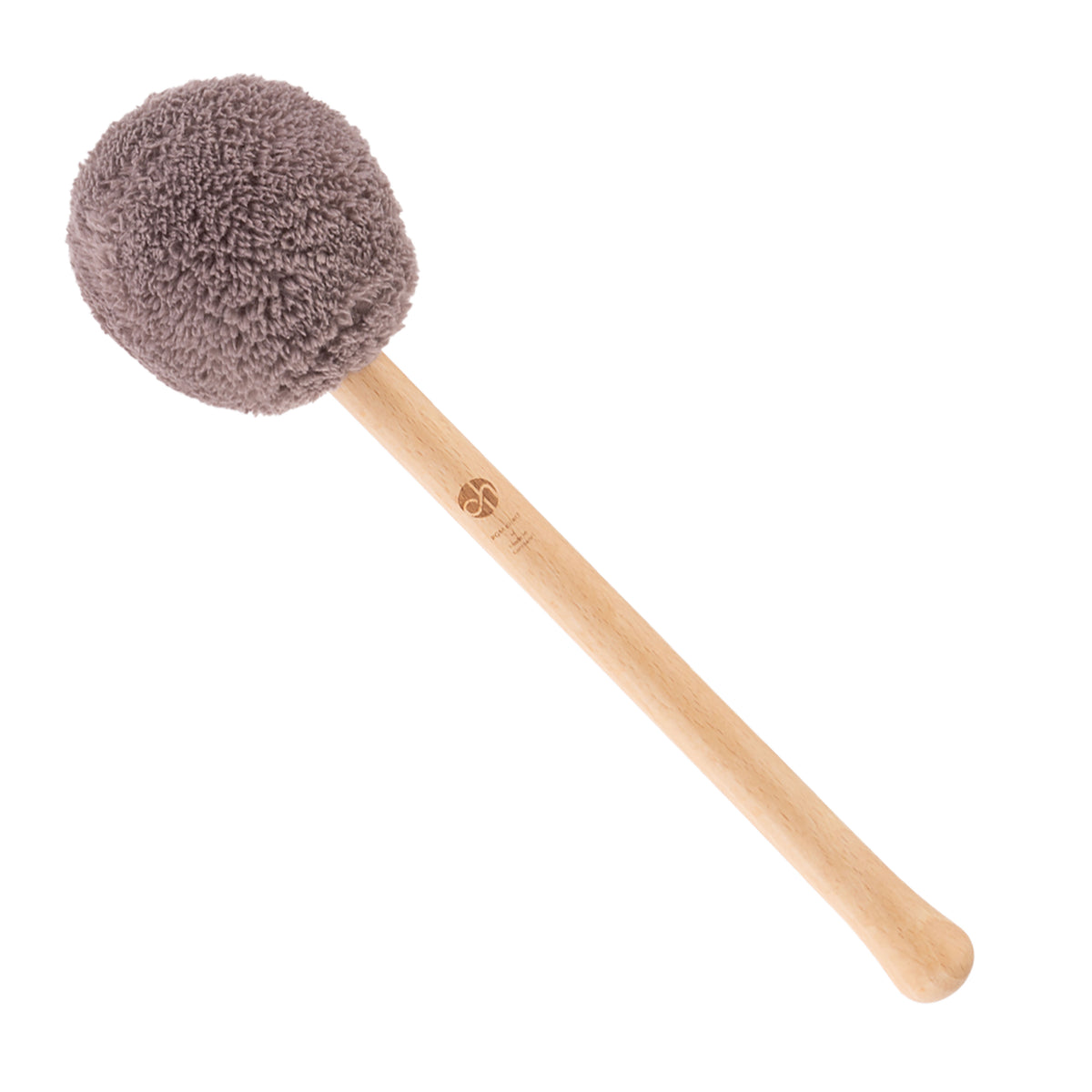
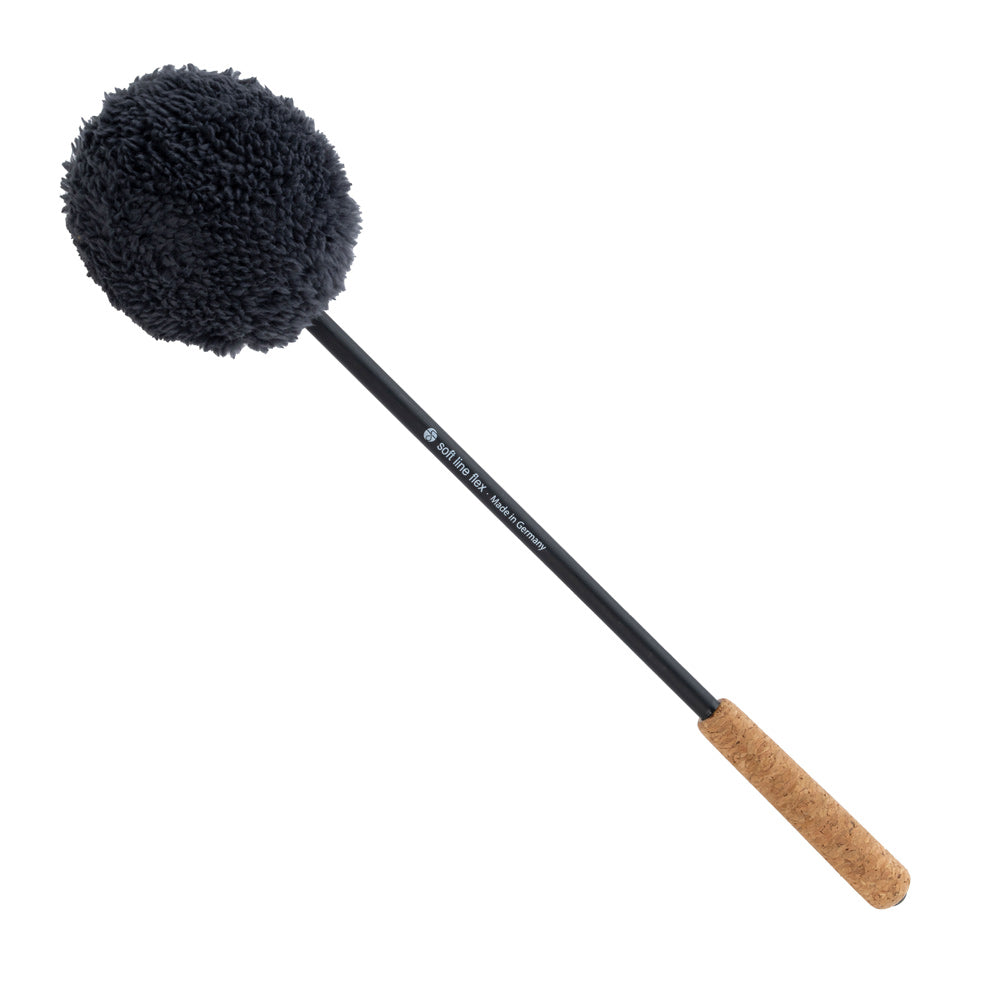
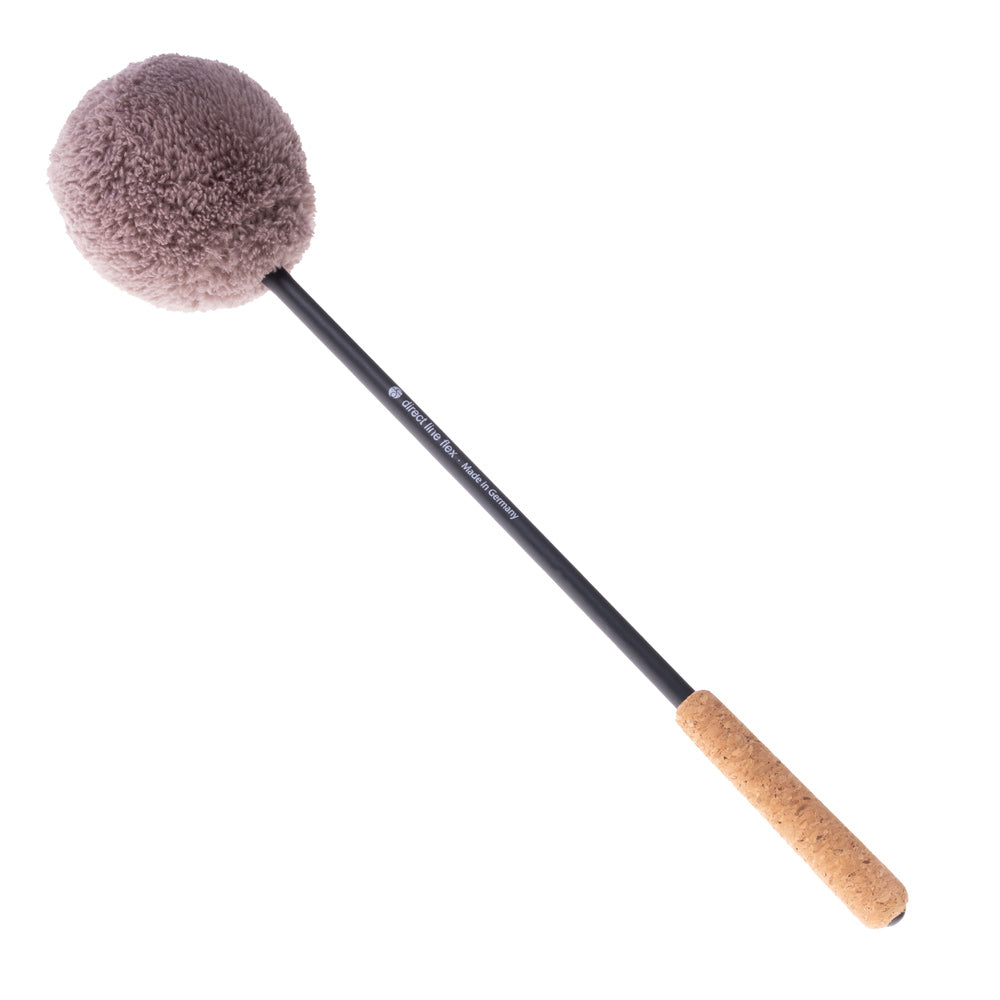
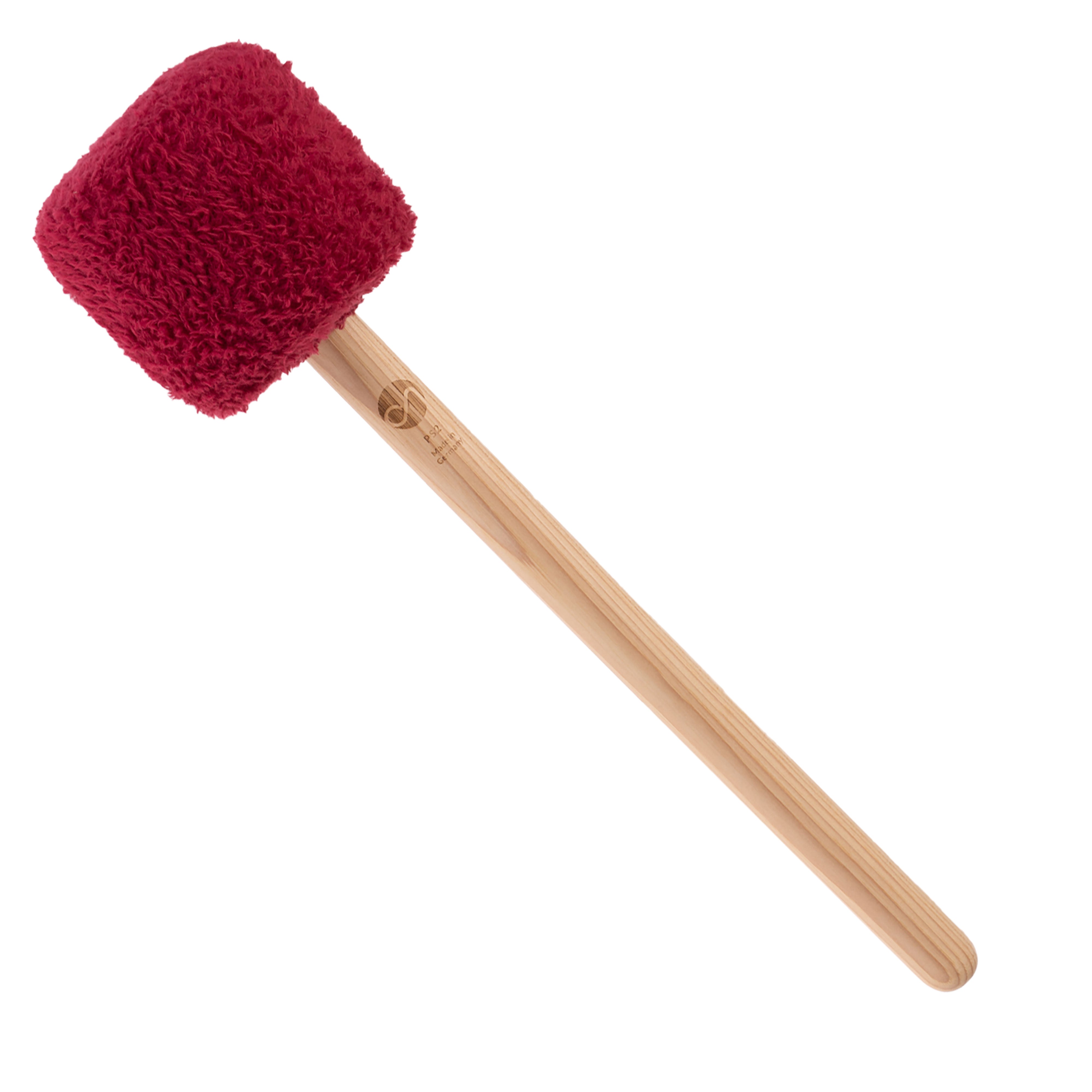
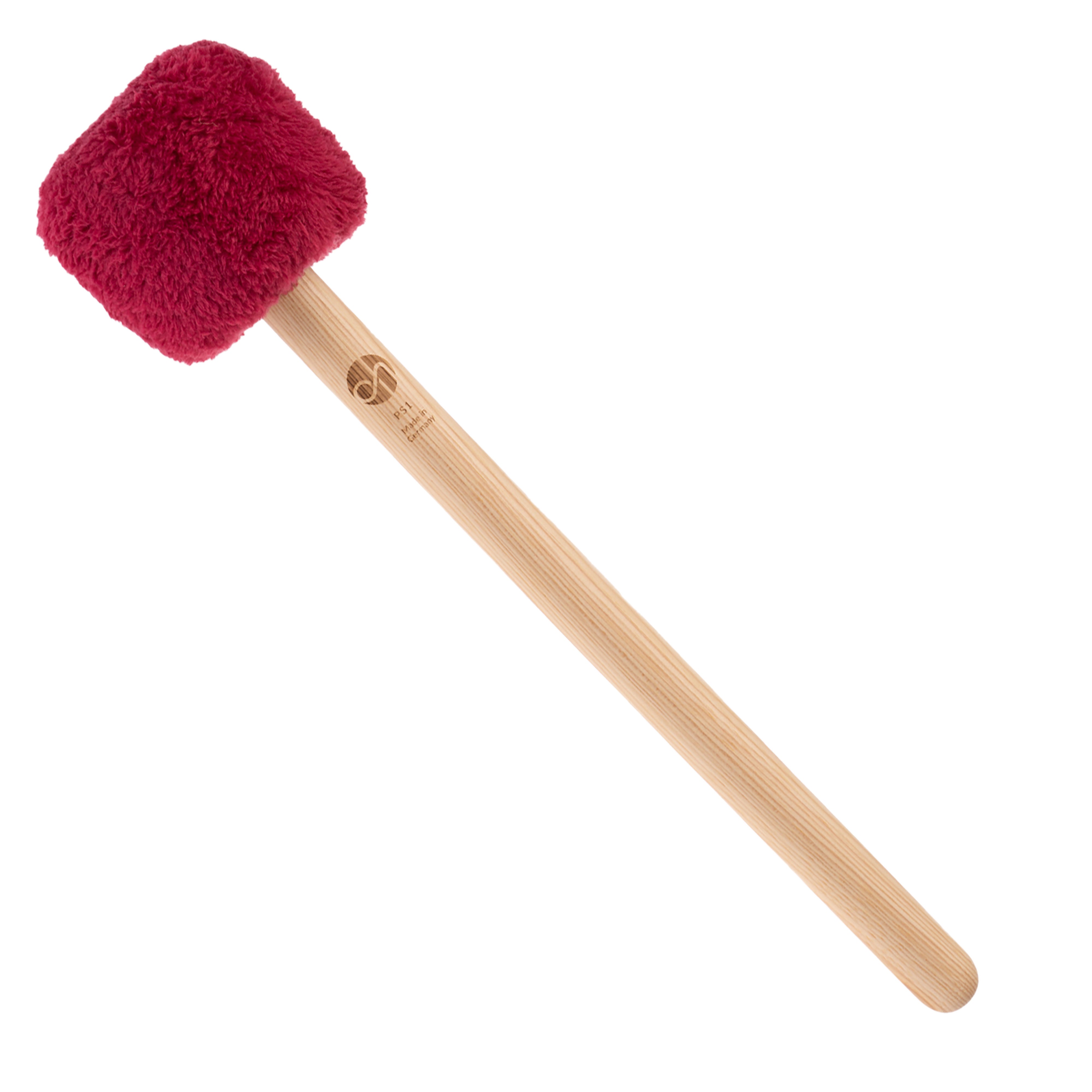
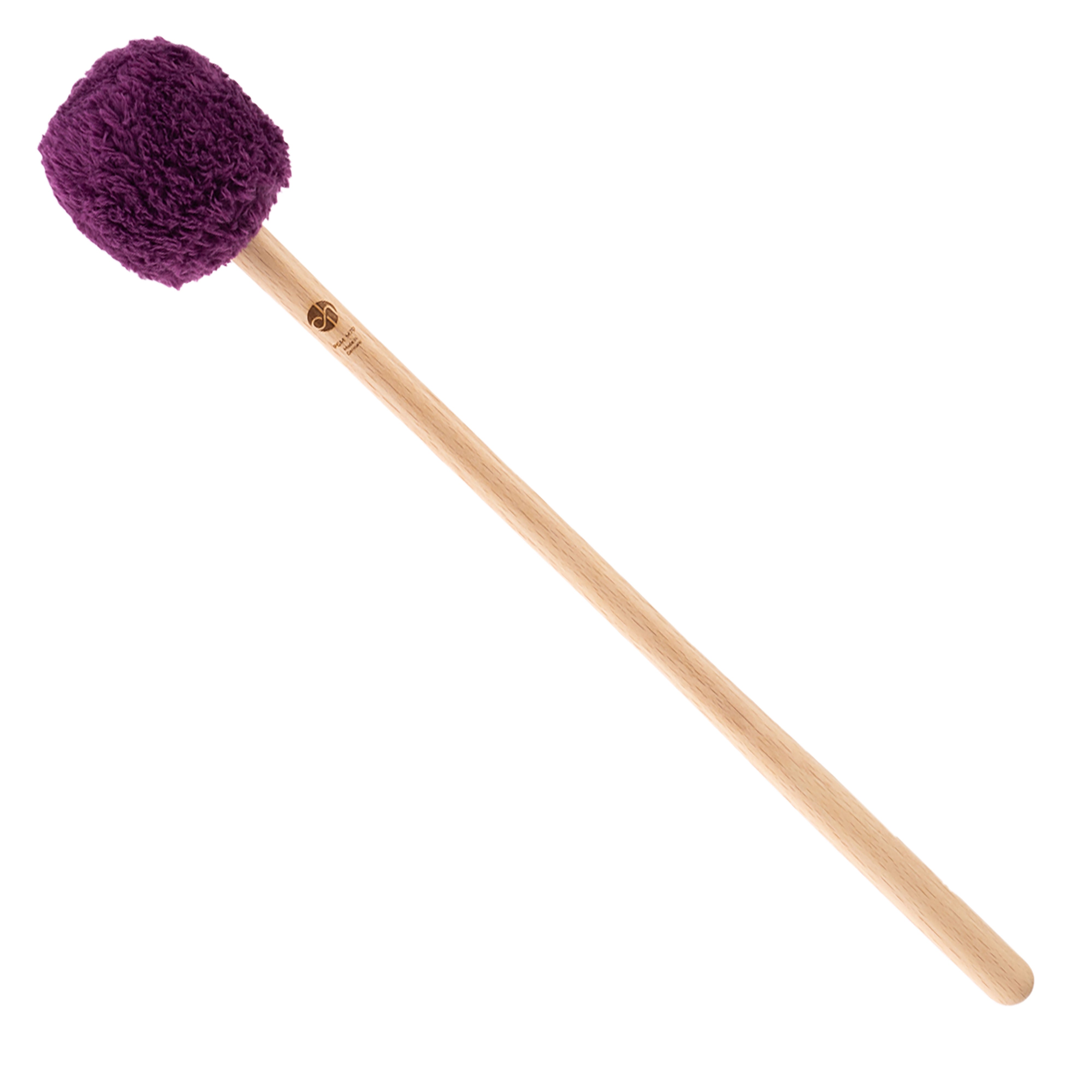
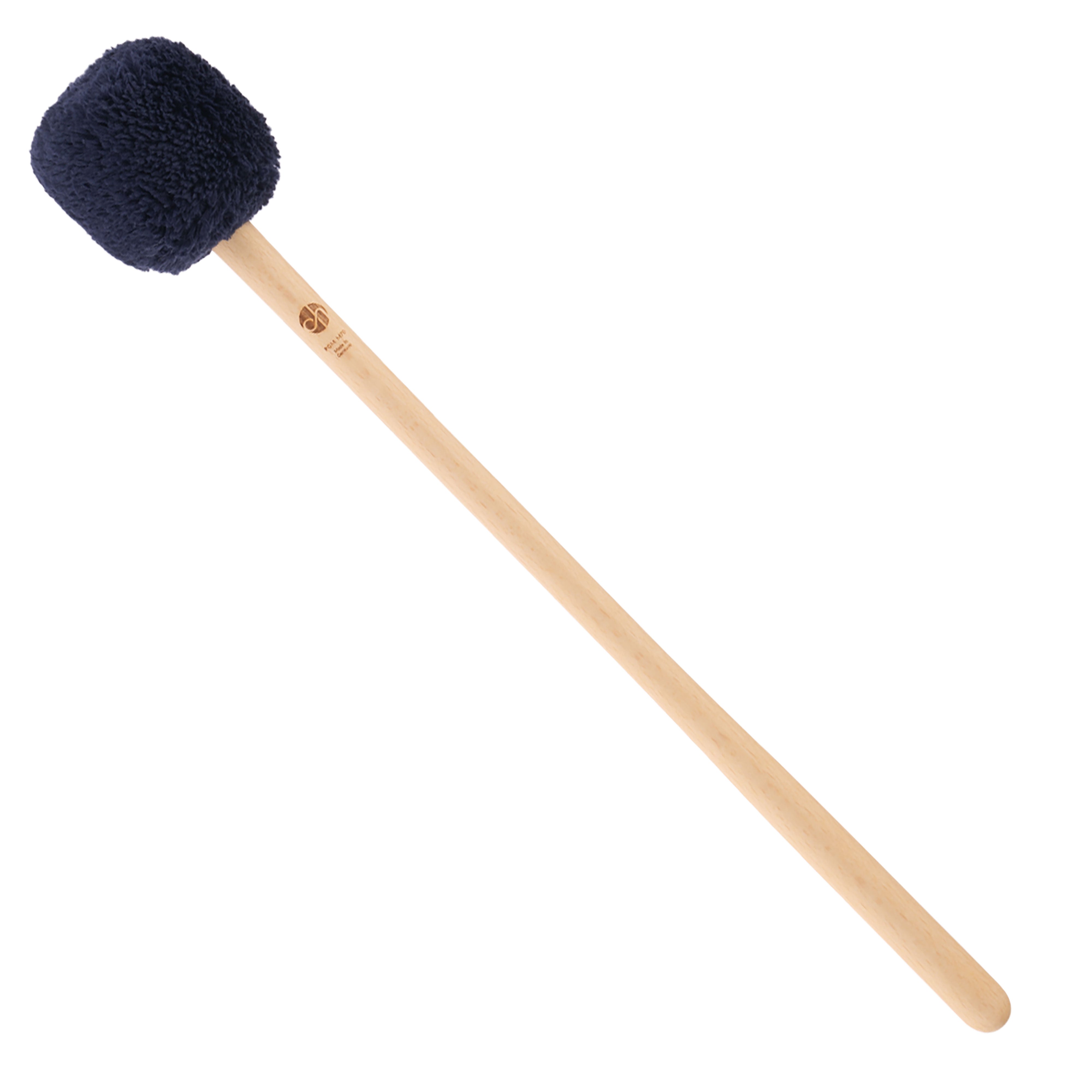
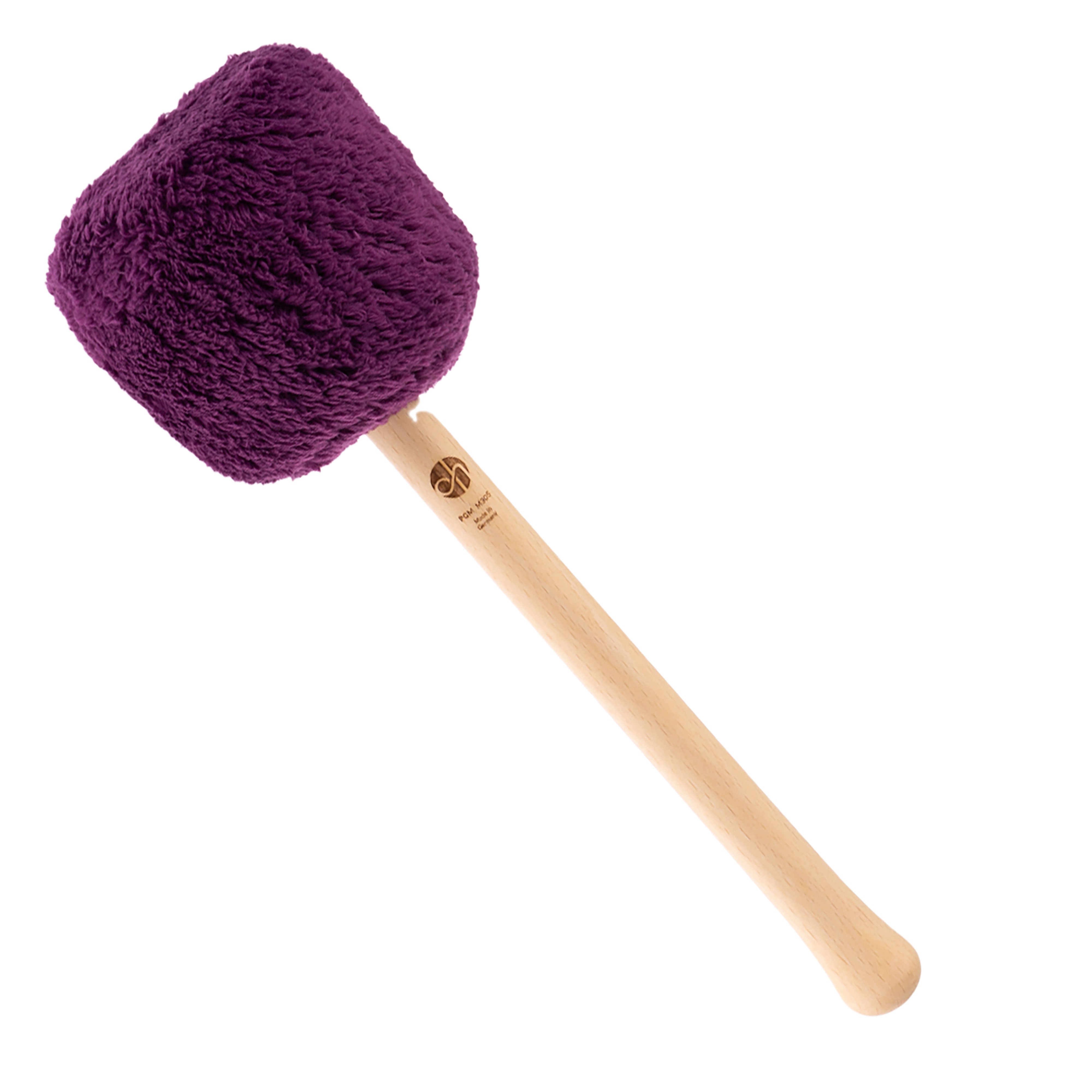
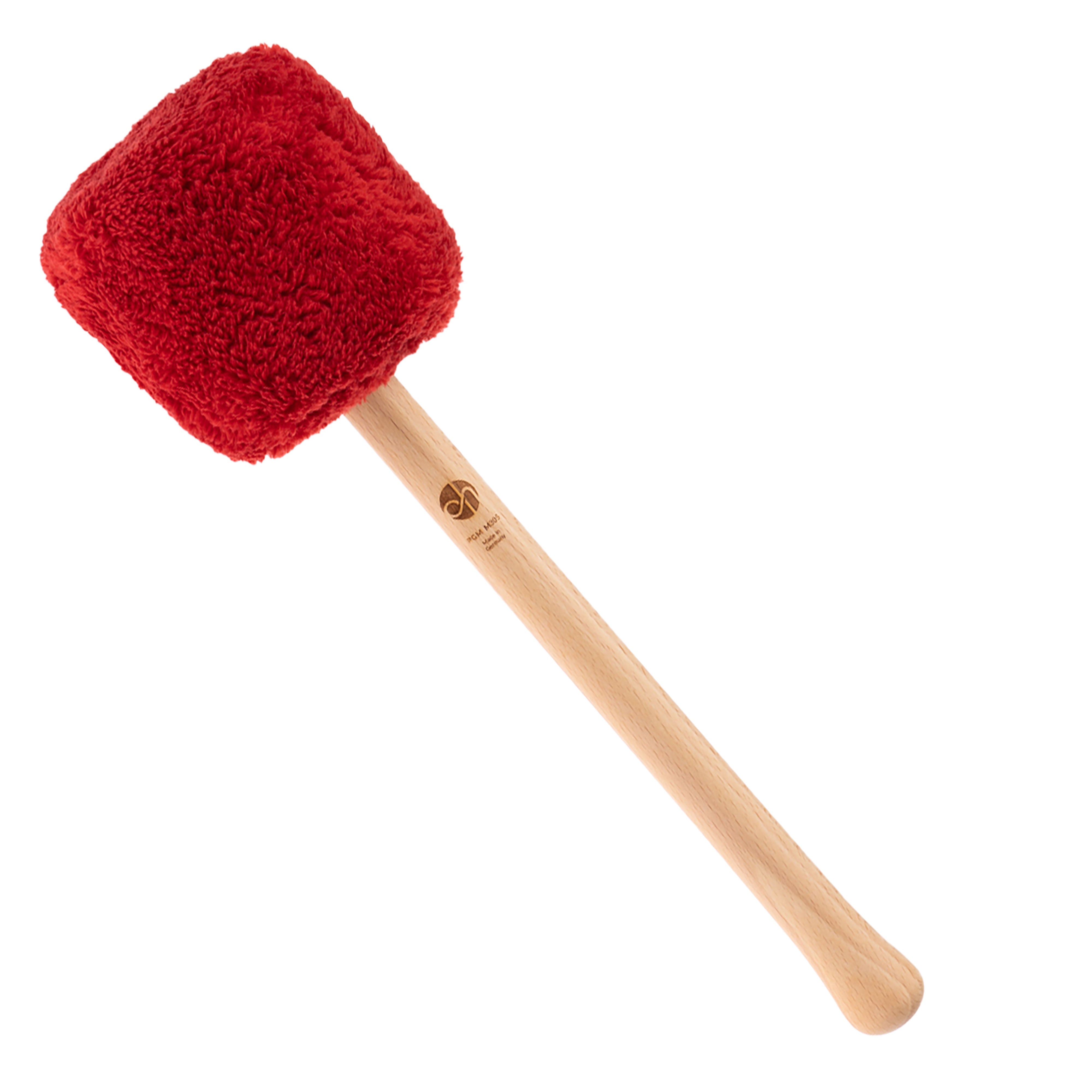
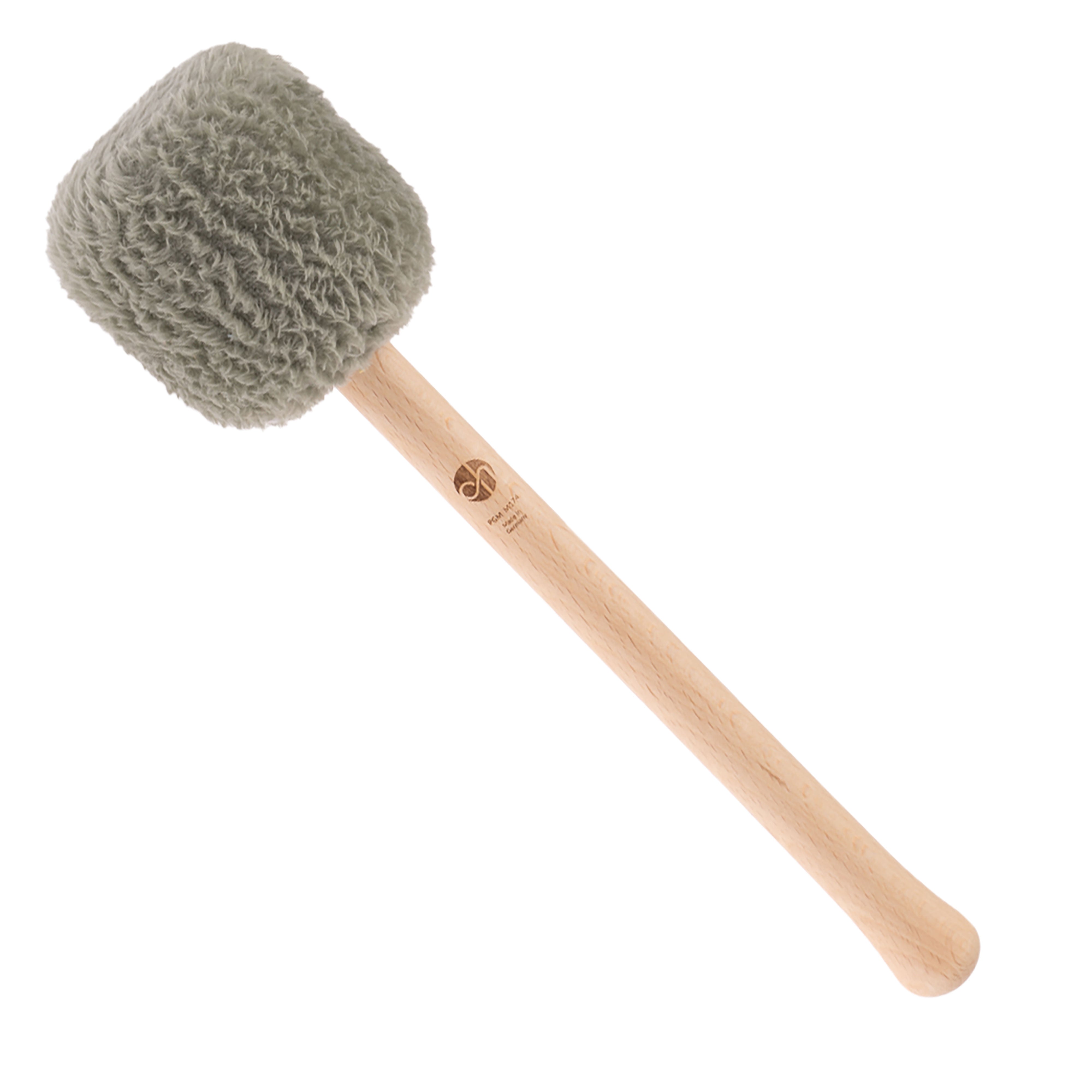
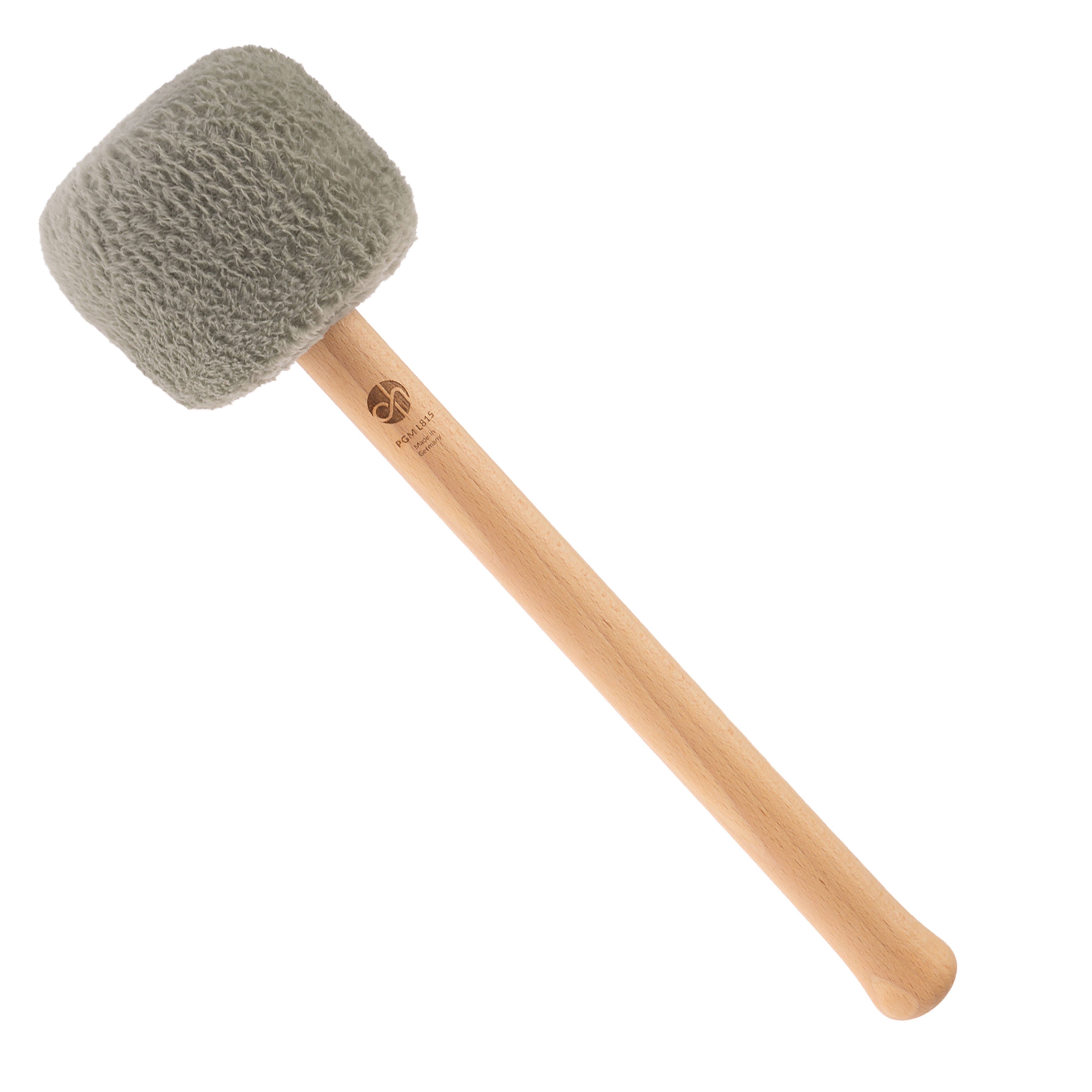
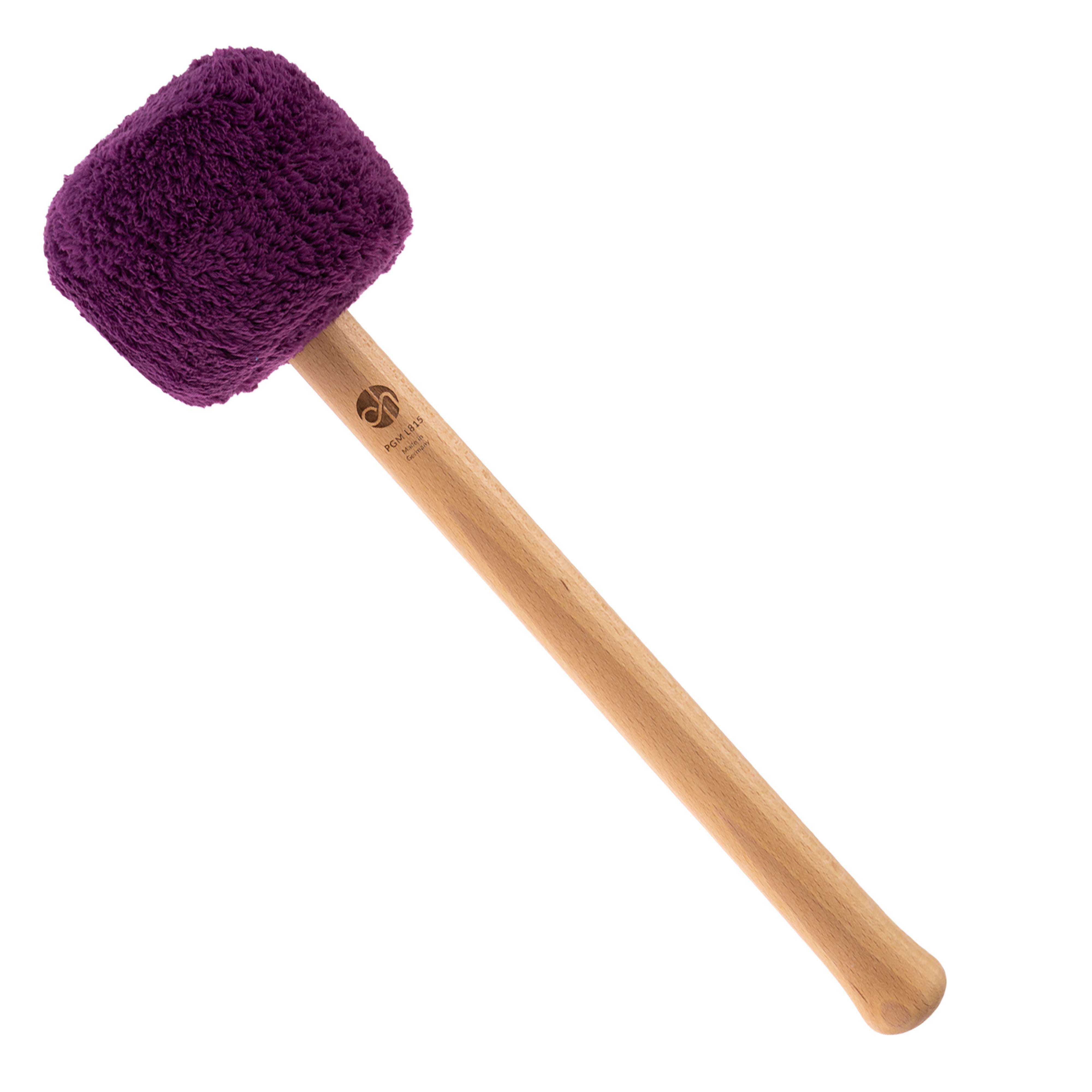
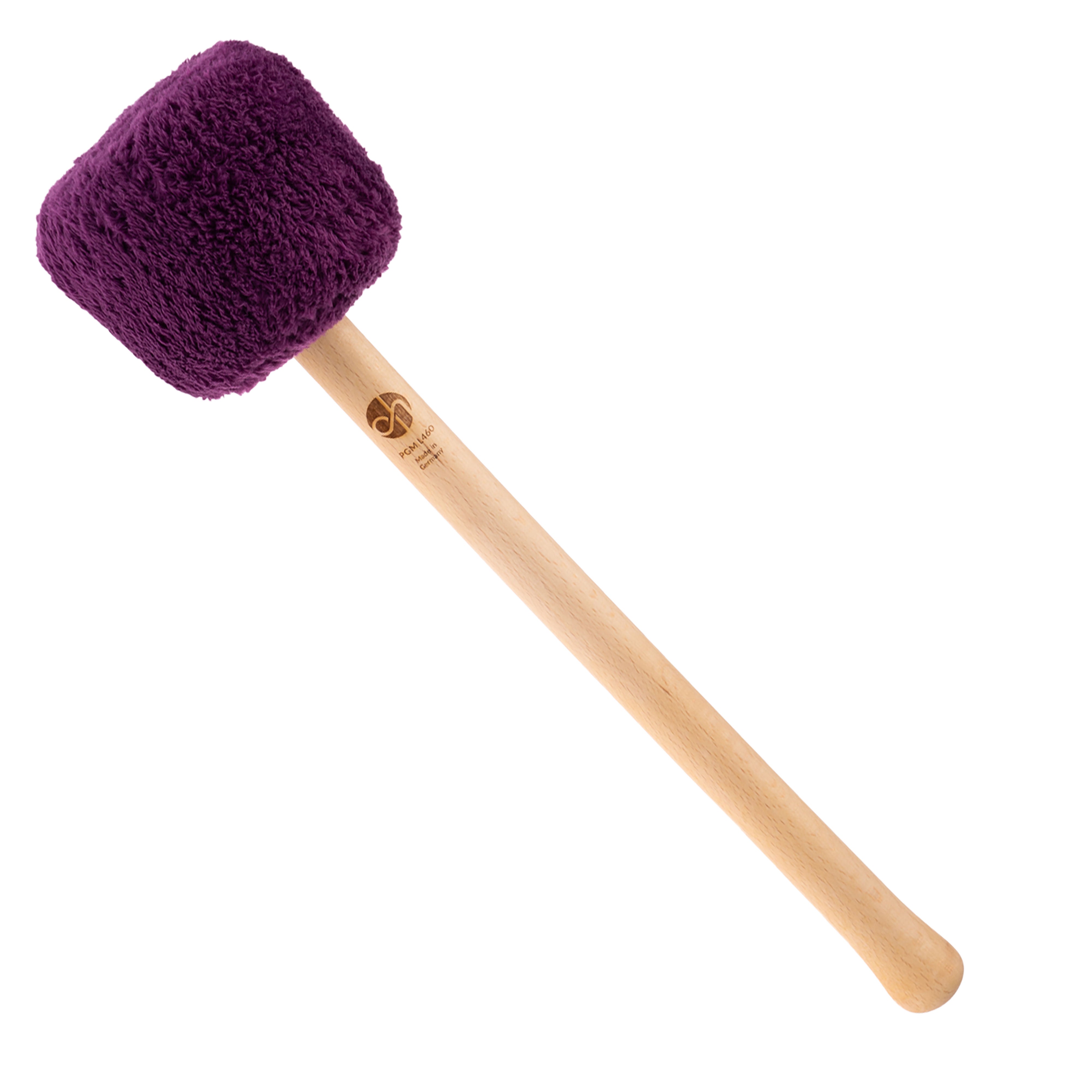
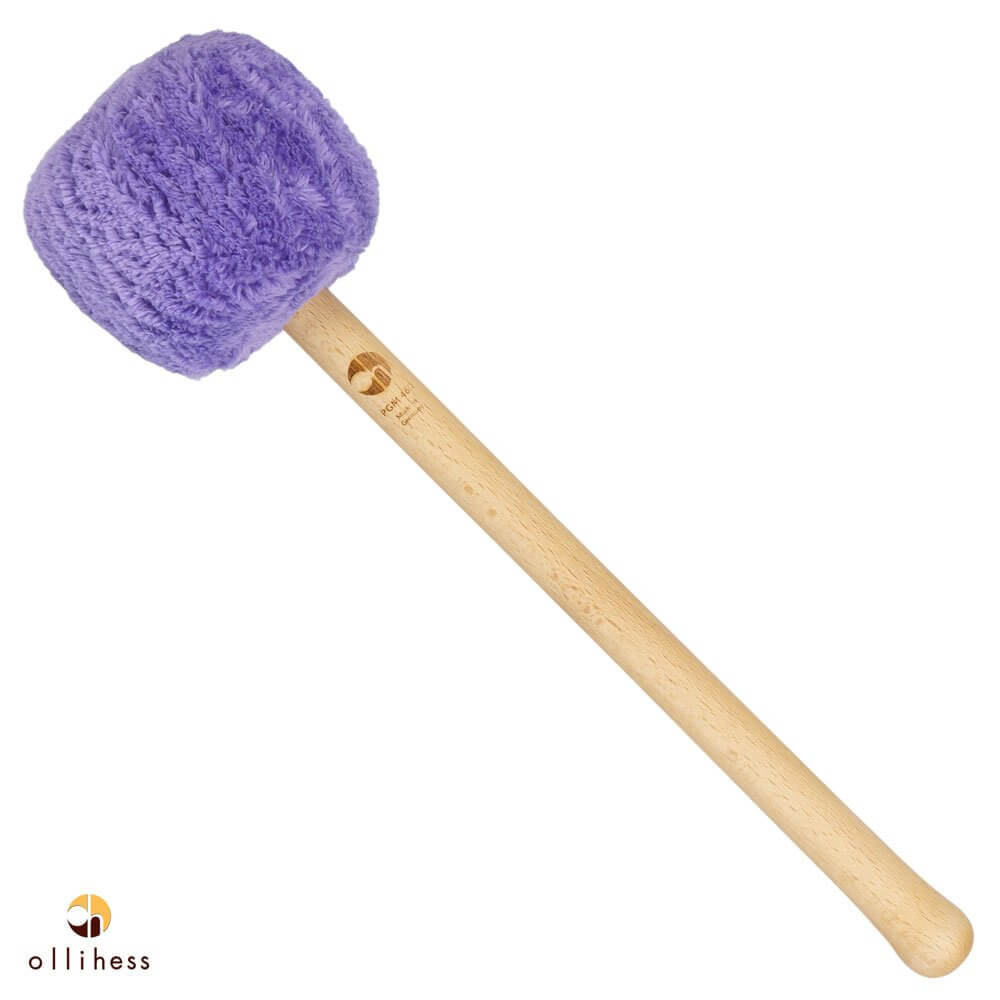
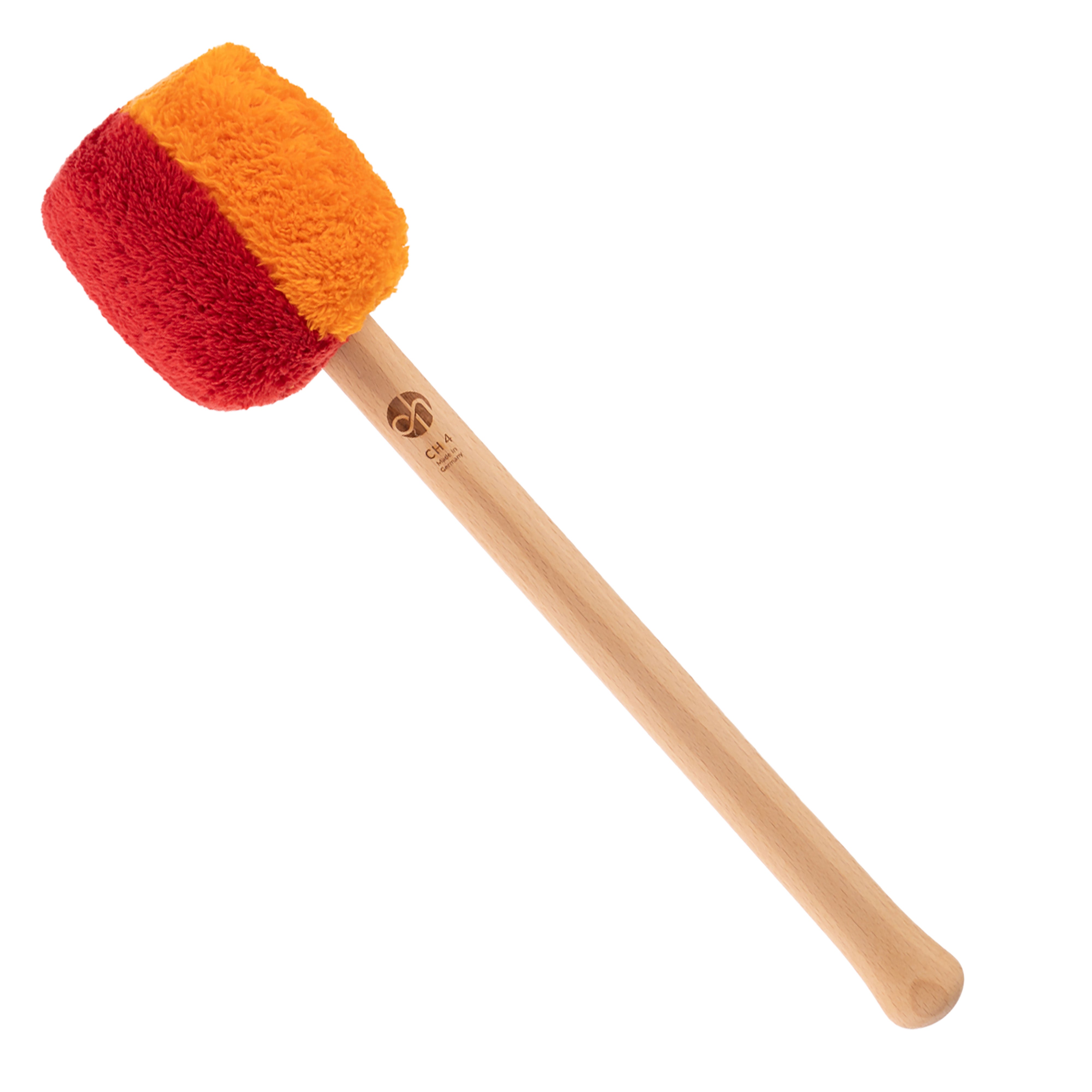
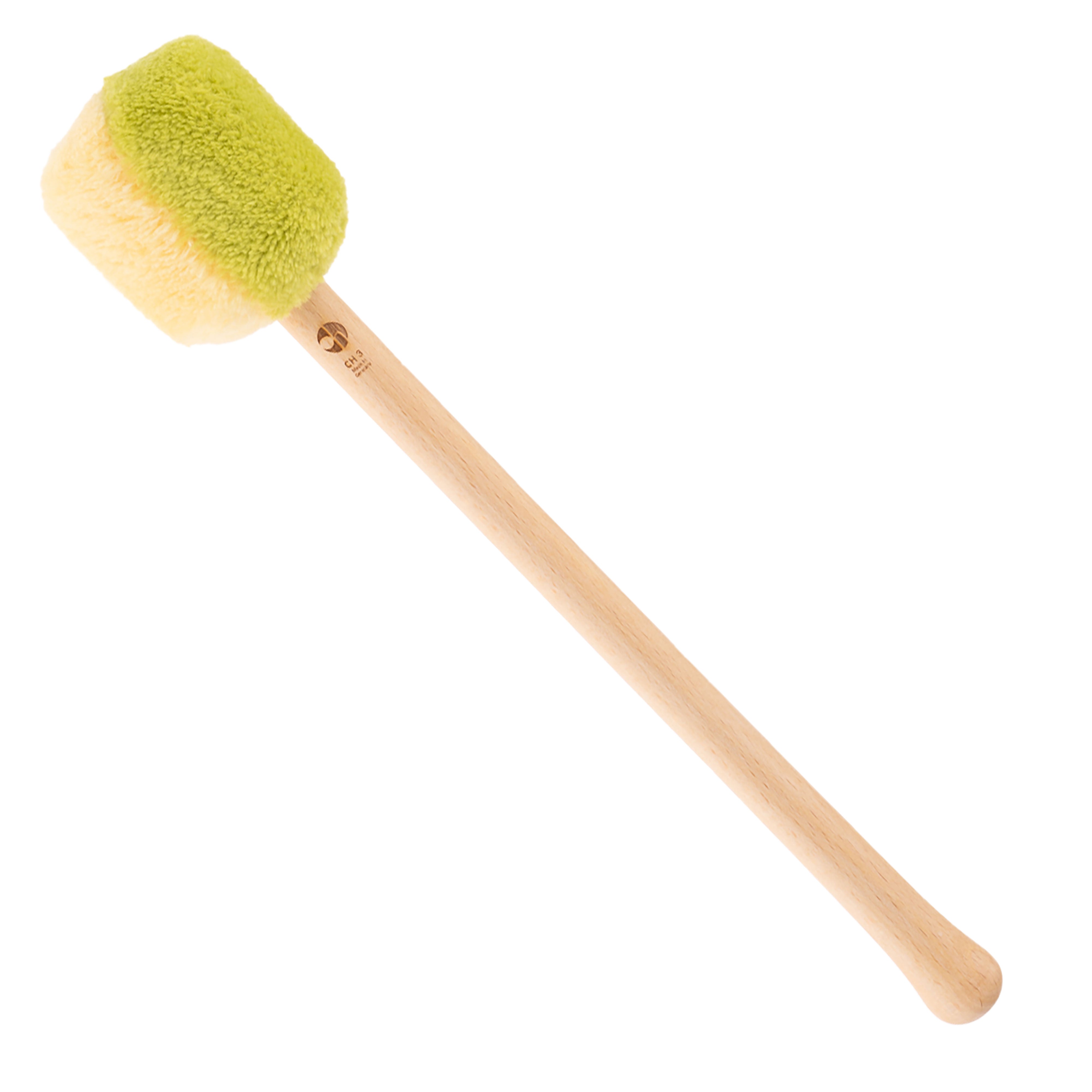
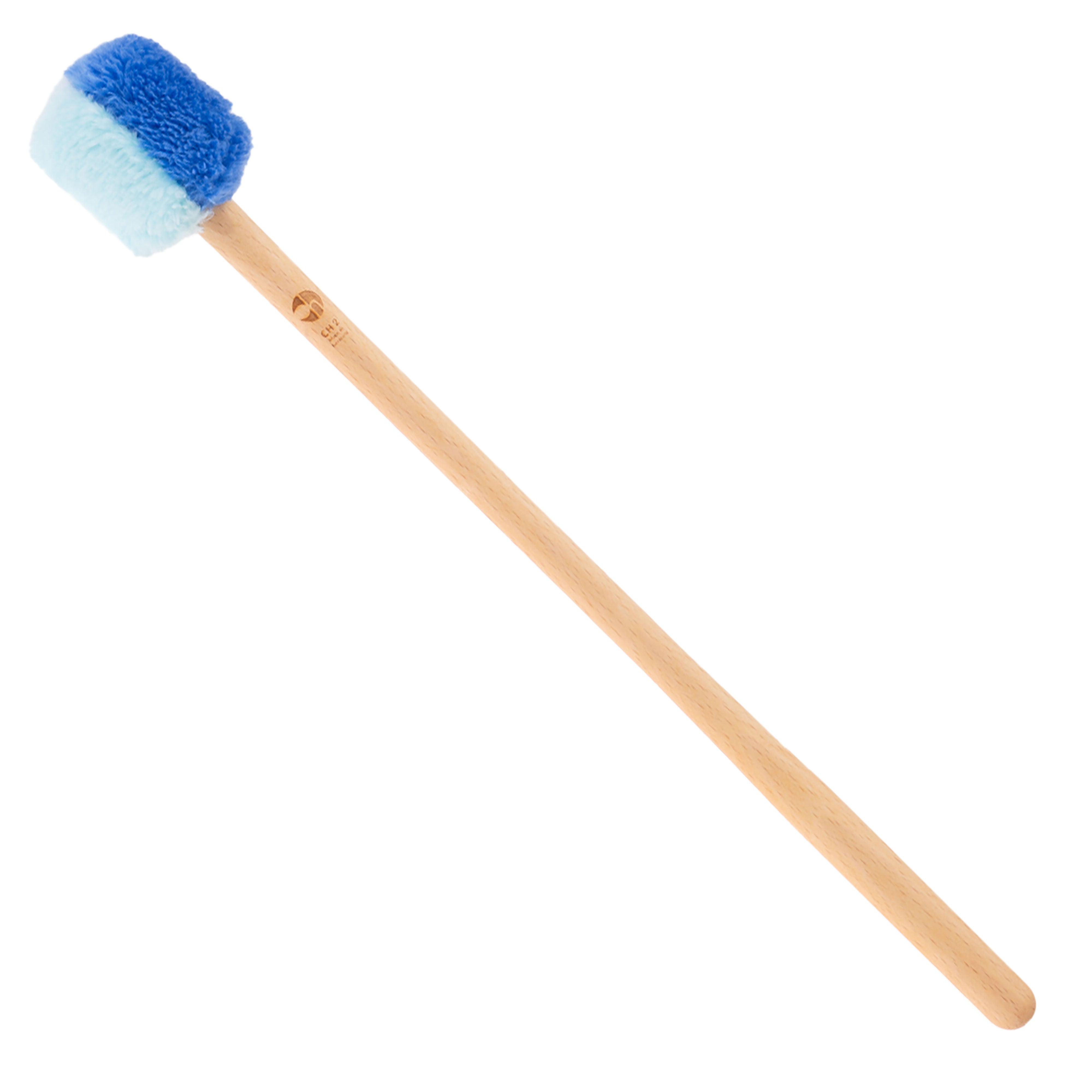
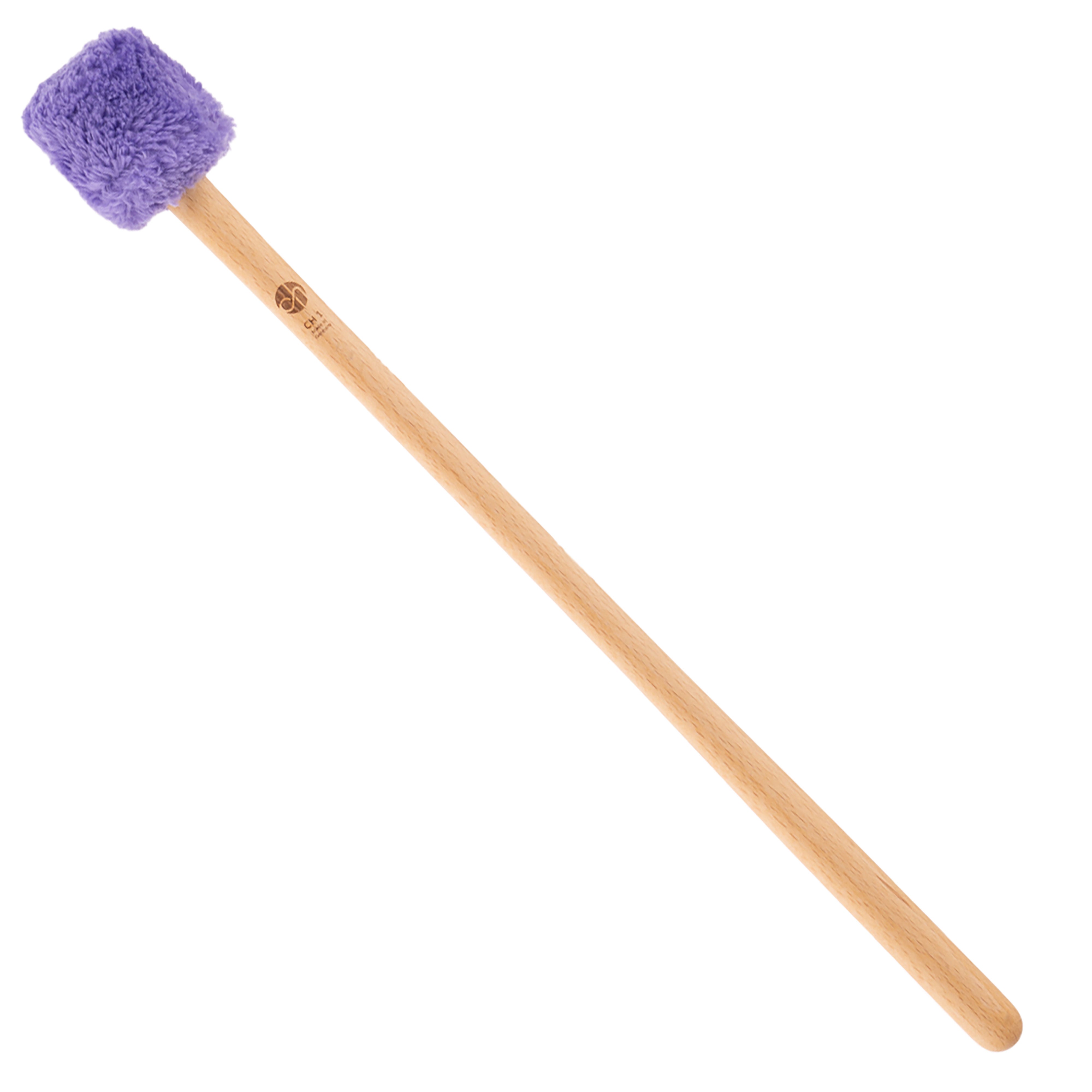
a gong mallet also known as a gong mallet—is the most important tool for making your gong sound. It consists of a handle (usually made of wood or bamboo) and a head. Materials such as natural caoutchouc, fleece, cork, or rubber are used for the head. Gong mallets are specially designed to bring out the sound of a gong in a controlled manner. Size, weight, material, manufacturing process, and balance all influence how deep, powerful, or nuanced your gong sounds.
Depending on its design, a gong mallet can produce gentle and subtle soundscapes, clear impulses, or deep, sustained frequencies. There are different models for various gong sizes, playing styles, and applications—from sound massages and meditation to sound healing and concerts. Which mallet is right for your gong depends on where and how you intend to use it, as well as your individual preferences.
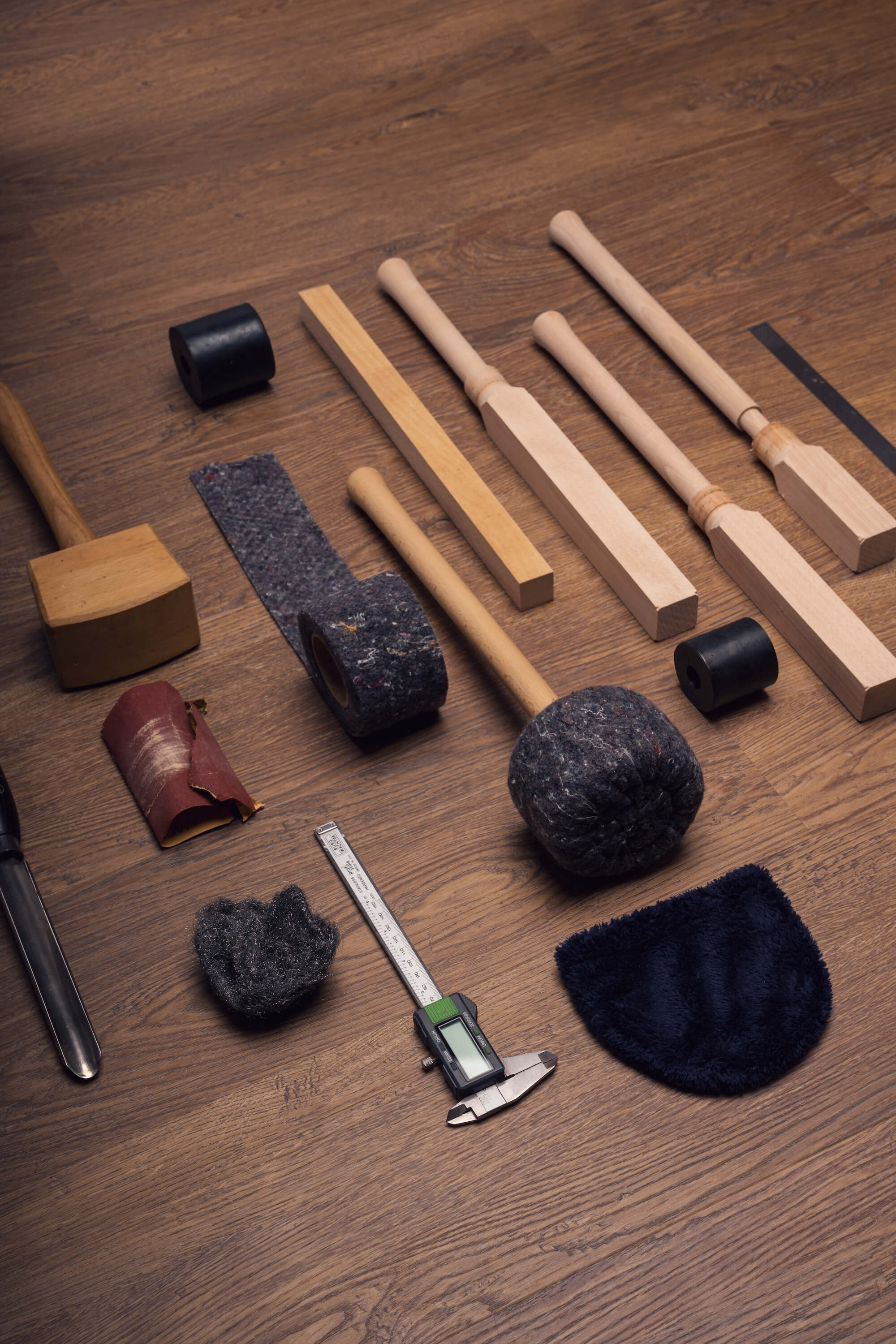
At ollihess, all gong mallets are handcrafted in family-run workshops in Germany. Thanks to carefully selected materials, ergonomic handles, and a special design, they enable precise and intuitive gong playing with almost no striking noise.
Which gong mallet goes with which gong?
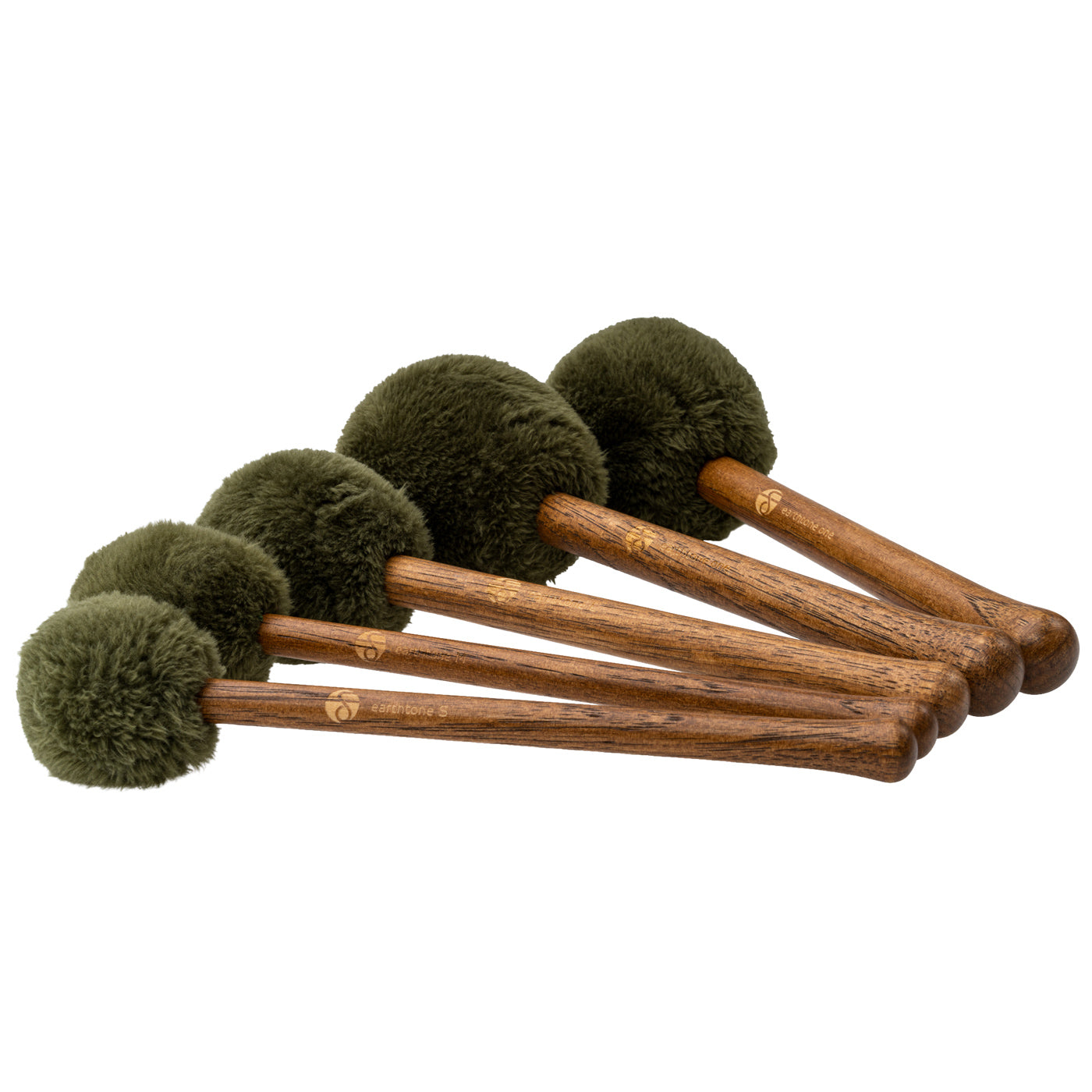
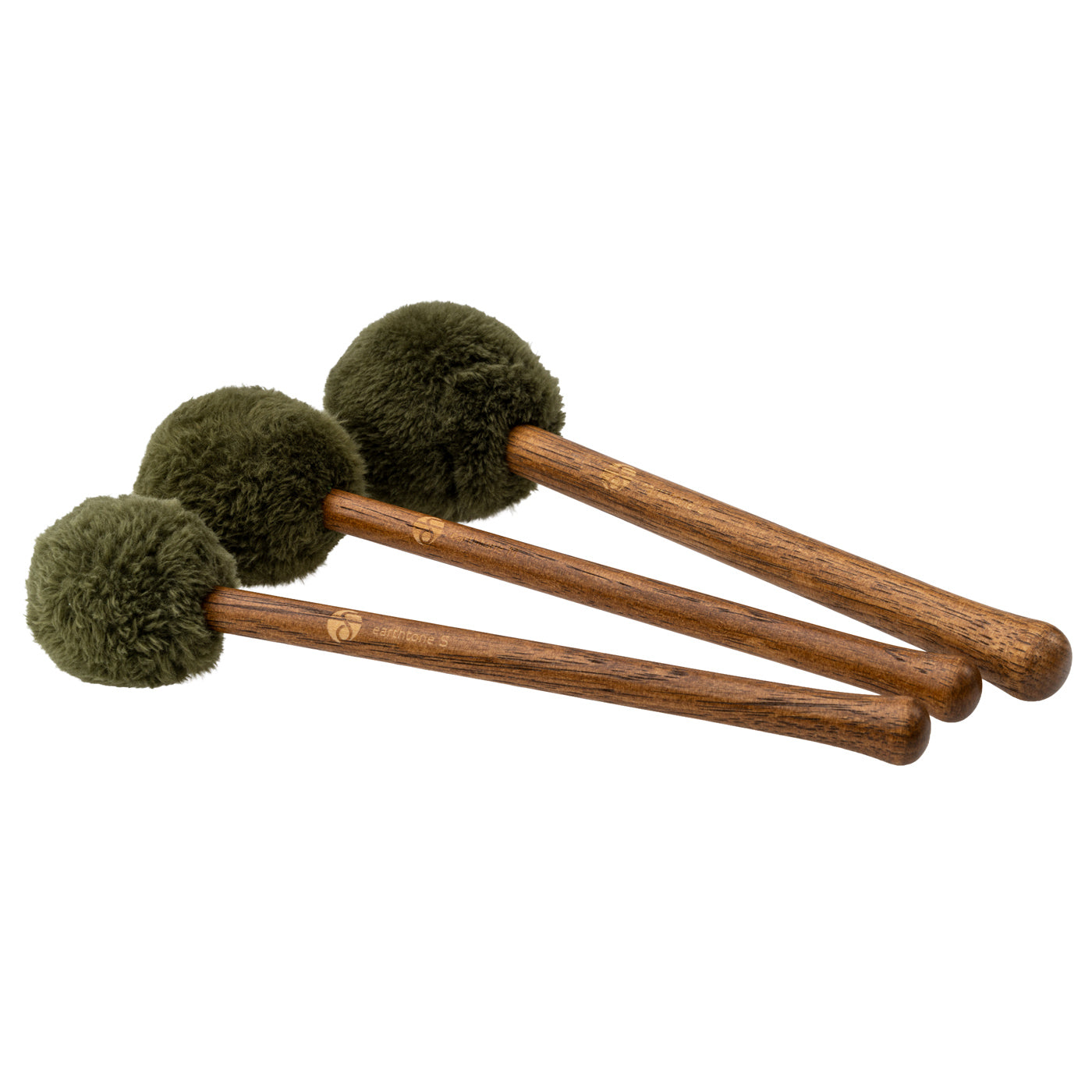
Which gong mallet is right for you depends on the size of your gong, the desired sound, your playing style, and the intended use. As a rule of thumb: The larger your gong, the larger and heavier the mallet should be to fully resonate the instrument. A larger mallet head makes it easier to produce deep tones and usually generates longer, sustained sound waves. Smaller mallets, on the other hand, allow for more precise strikes, finer dynamics, and generally greater control.
These mallets are suitable for the following gong sizes
Small gongs (up to approx. 60 cm): lighter gong mallets with smaller heads for clear, precise tones
Medium gongs (approx. 60–90 cm): versatile mallets for balanced tones and flexible playing styles.
Large gongs (90 cm and up): larger and heavier gong mallets for low frequencies and long-lasting resonance.
However, the size of your gong is only one factor to consider when choosing a mallet. The material, construction, and tuning of the gong, as well as its intended use and your personal preferences, also play an important role. Many experienced gong players typically use multiple mallets to switch between gentle soundscapes, powerful accents, and subtle transitions.
At ollihess, we design our gong mallets so that each model has its own unique tonal character. In the respective product descriptions, you’ll find recommendations on which gong sizes and applications each mallet is particularly suited for. If you’re unsure, we’d be happy to advise you personally and help you find the right gong mallet for your instrument.
How does a gong mallet affect the sound?
The choice of gong mallet has a major impact on the sound of your gong. Size, weight, material, and design determine the sound you produce with the mallet. As a result, the same gong can sound very different depending on the mallet.
You can choose these mallets to produce a specific sound:
Deep, warm, and gentle sounds: Choose a larger, softly padded mallet.
Bright, crisp sounds: Opt for smaller or harder mallets.
Versatile sound ranges: Combine different mallets with one another.
Which gong mallet or beater should I buy online?
As a general rule, the larger the gong, the larger the mallet should be. Of course, your individual needs and the type of gong also play a role in choosing a gong mallet. Depending on the length of the mallet, the size of the head, and the damping, the sounds you can produce on your gong with the mallet will vary. So your choice depends not only on the characteristics of your instrument but also on the sounds you want the gong mallet with the gong mallet and the context in which you plan to use your gong.
Which materials in the mallet affect the sound of the gong?
The materials used in a gong mallet have a major influence on its sound. In particular, the core of the mallet, the covering, the weight, and the interaction between the head and the handle determine how soft, deep, or powerful your gong sounds. They also influence how noticeable the striking sounds are and how long the gong’s vibrations last.
We always select our materials carefully, test them over many years, and continuously refine them. In particular, the core of the mallet head differs significantly from other products available on the market. It is made of soft natural caoutchouc is individually developed for each mallet in our lineup. The mallet core is often wrapped in a felt insert, which is also customized for each model and serves to further dampen the striking sound.
We have the fabric covering of our gong mallets made from an extra-soft and sustainable wellness fleece. It is treated with a special process to prevent scratches when playing the gong.
In addition to the materials, other characteristics also influence the sound of a gong mallet:
Size of the mallet head
Length and balance of the handle
Weight of the mallet
Size of the core and damping
Interaction between the head and the handle
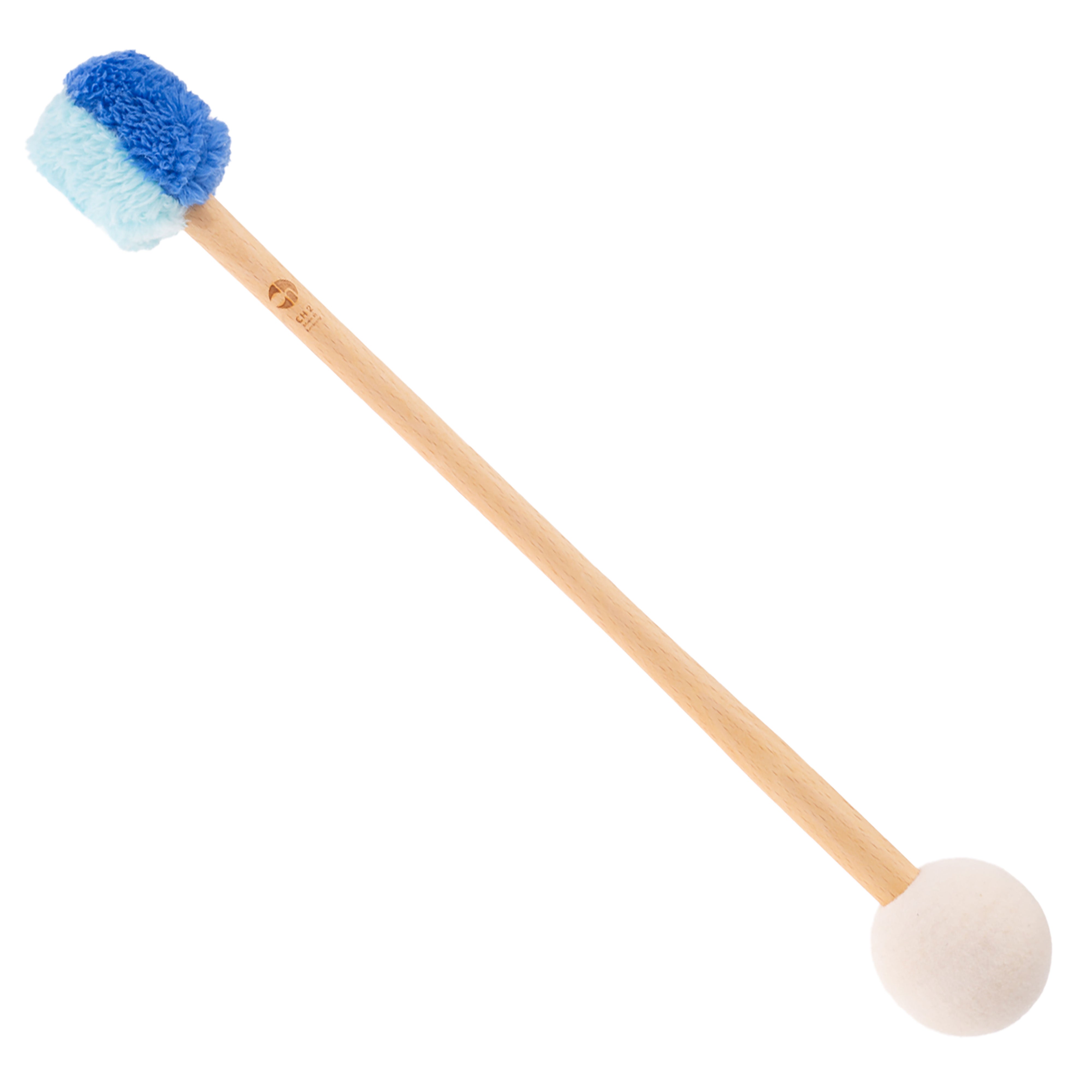
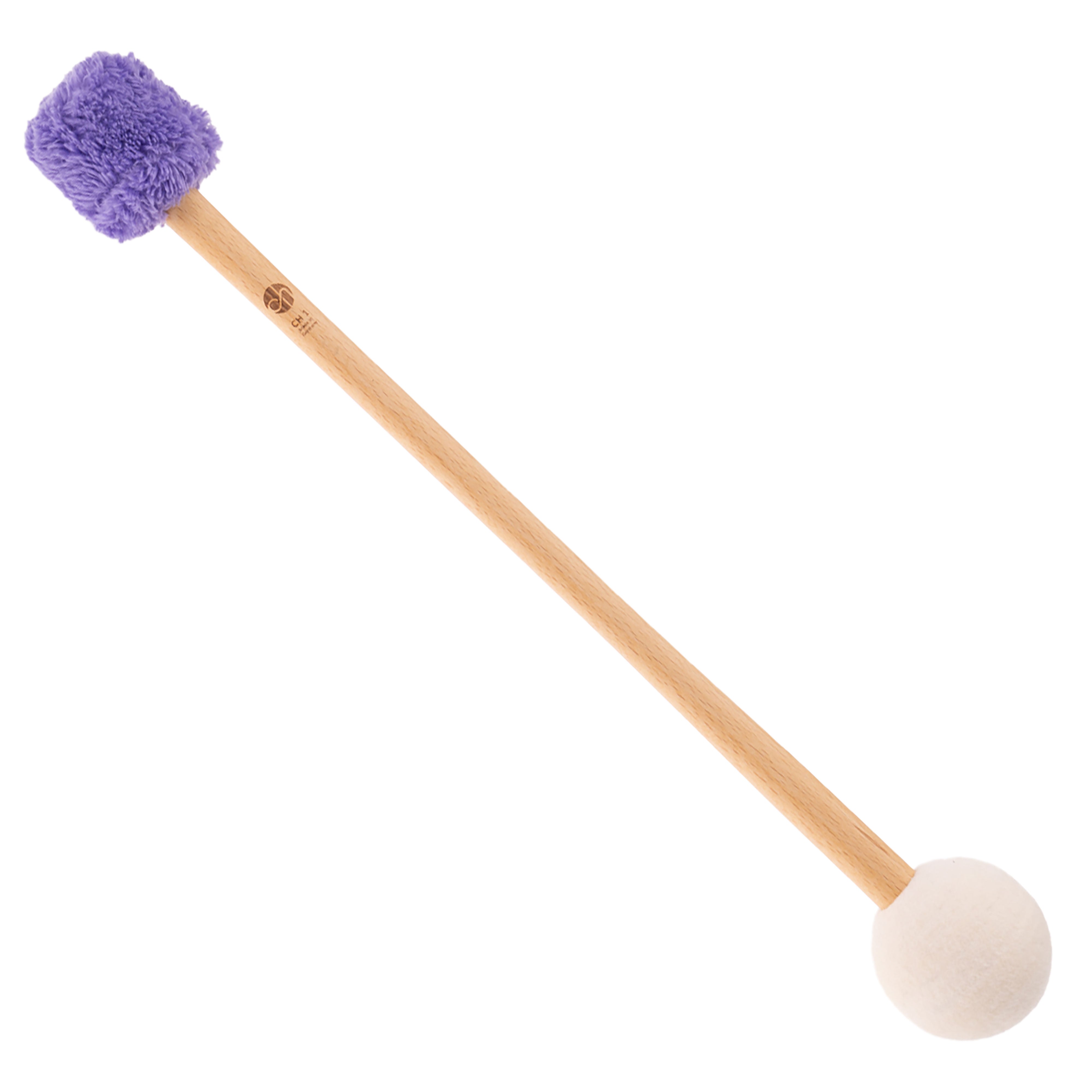
Head shape (spherical or cylindrical)
What makes ollihess gong mallets and gong hammers special?
Each and every one of our mallets is handcrafted in Germany from innovative materials. Our mallets are specially designed to produce a balanced sound with as little striking noise as possible. In addition to our years of experience in sound design and the courage to innovate, every single ollihess gong mallet embodies, above all, a great deal of passion and a deep love for sound. All our products are born out of our personal passion for these instruments.
We regularly put our gong mallets to the test, experiment with new materials, strive for even greater sustainability, and listen closely to you. Our mission is to continually listen to you and meet your needs even better.
Here’s what else makes our gong mallets so special:
Virtually no striking noise when playing the gong
Consistent, harmonious sound
Ergonomic mallet handles for relaxed playing
Durable materials and high-quality craftsmanship
Sustainably and locally manufactured
Made in Germany
Fair production conditions
Wide selection of colors and editions
Why do ollihess gong mallets produce almost no striking sound?
The striking sound of a gong mallet is primarily influenced by the core, the damping, and the covering of the mallet head. The materials and combination of core and damping in our gong mallets are individually tailored to each model and are continuously refined. This ensures that the striking noise is almost completely eliminated. The result is a gong mallet that allows the sound of your gong to unfold optimally and does not distract from the actual sound experience during sound massages, meditations, or sound journeys.
Ergonomic handle for relaxed and precise gong playing
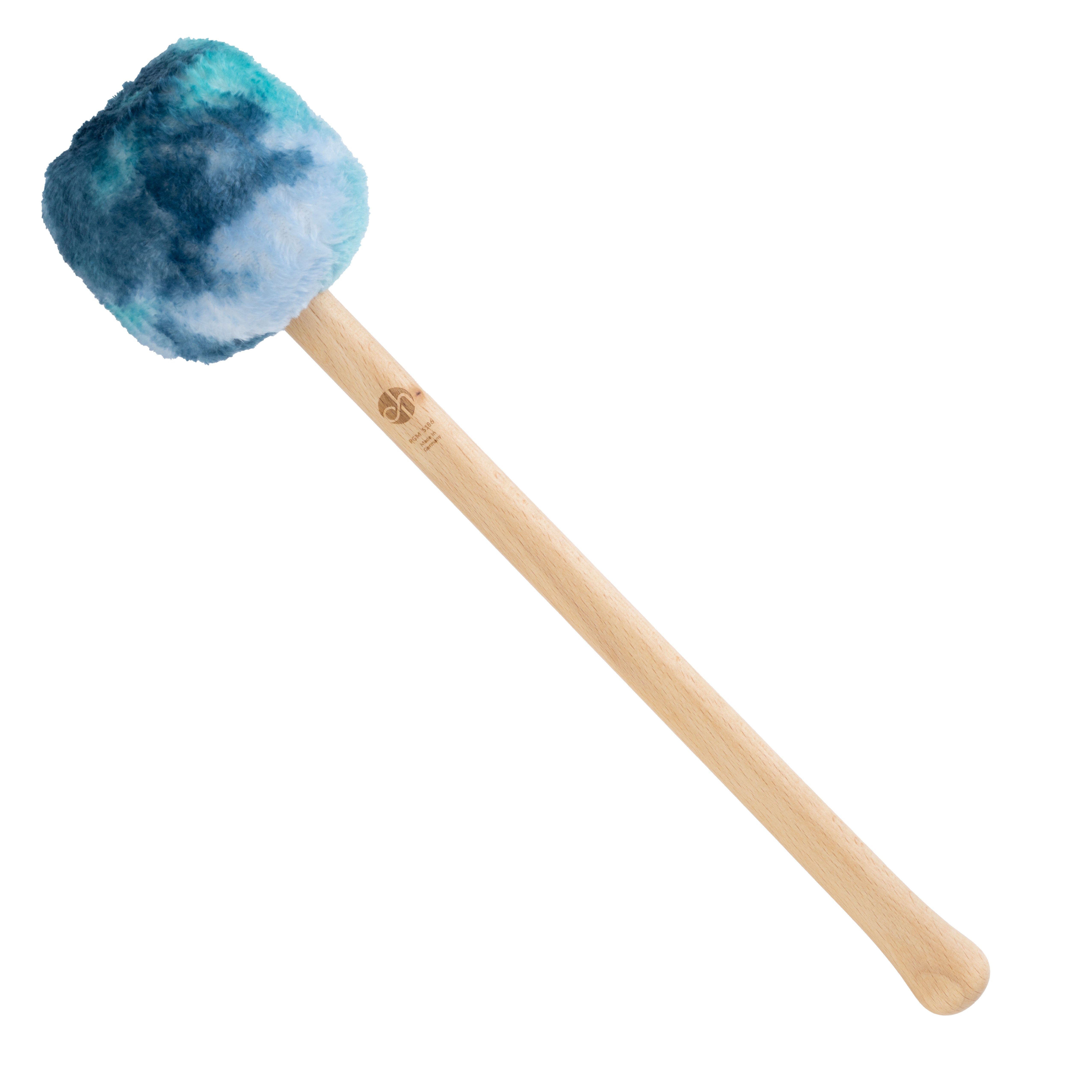
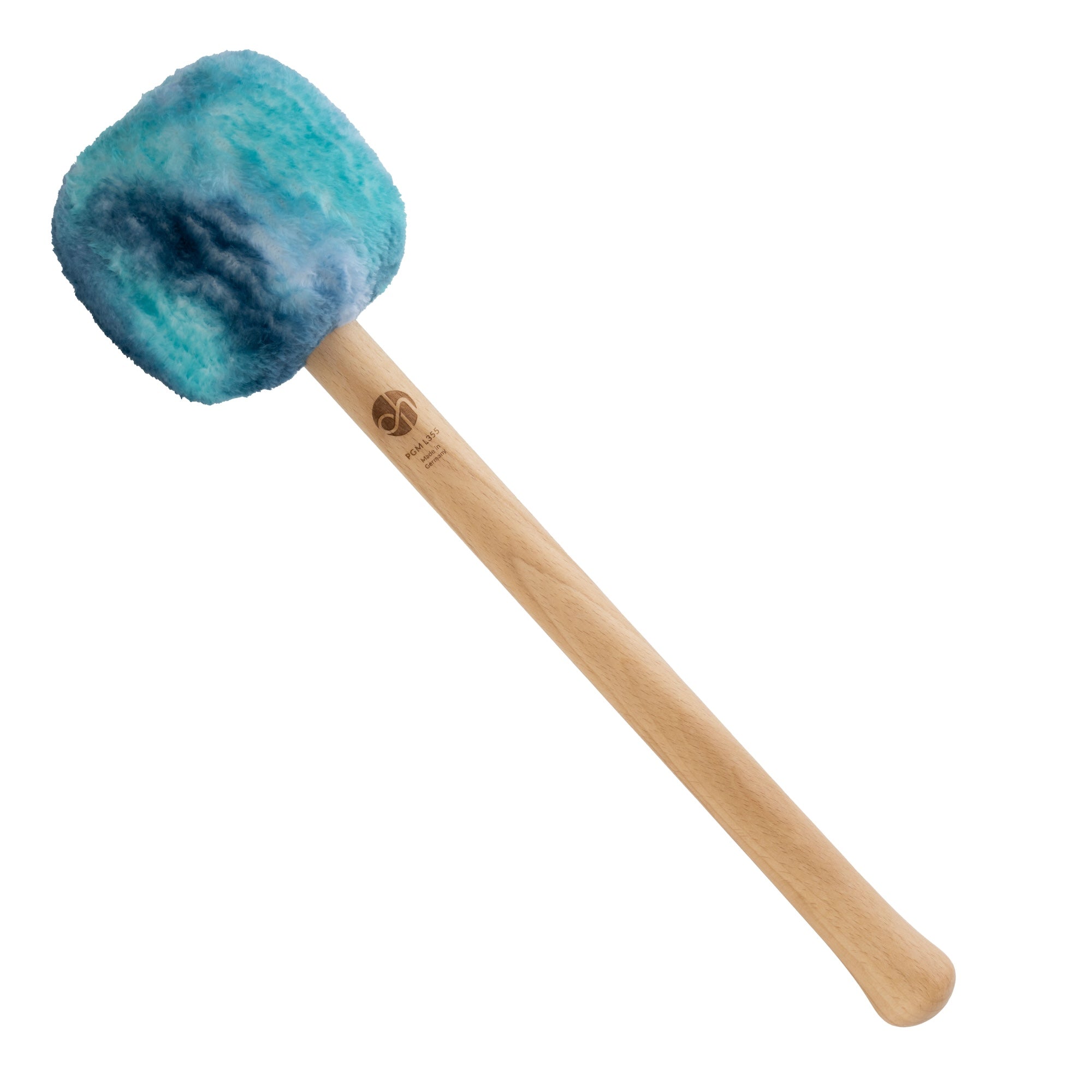
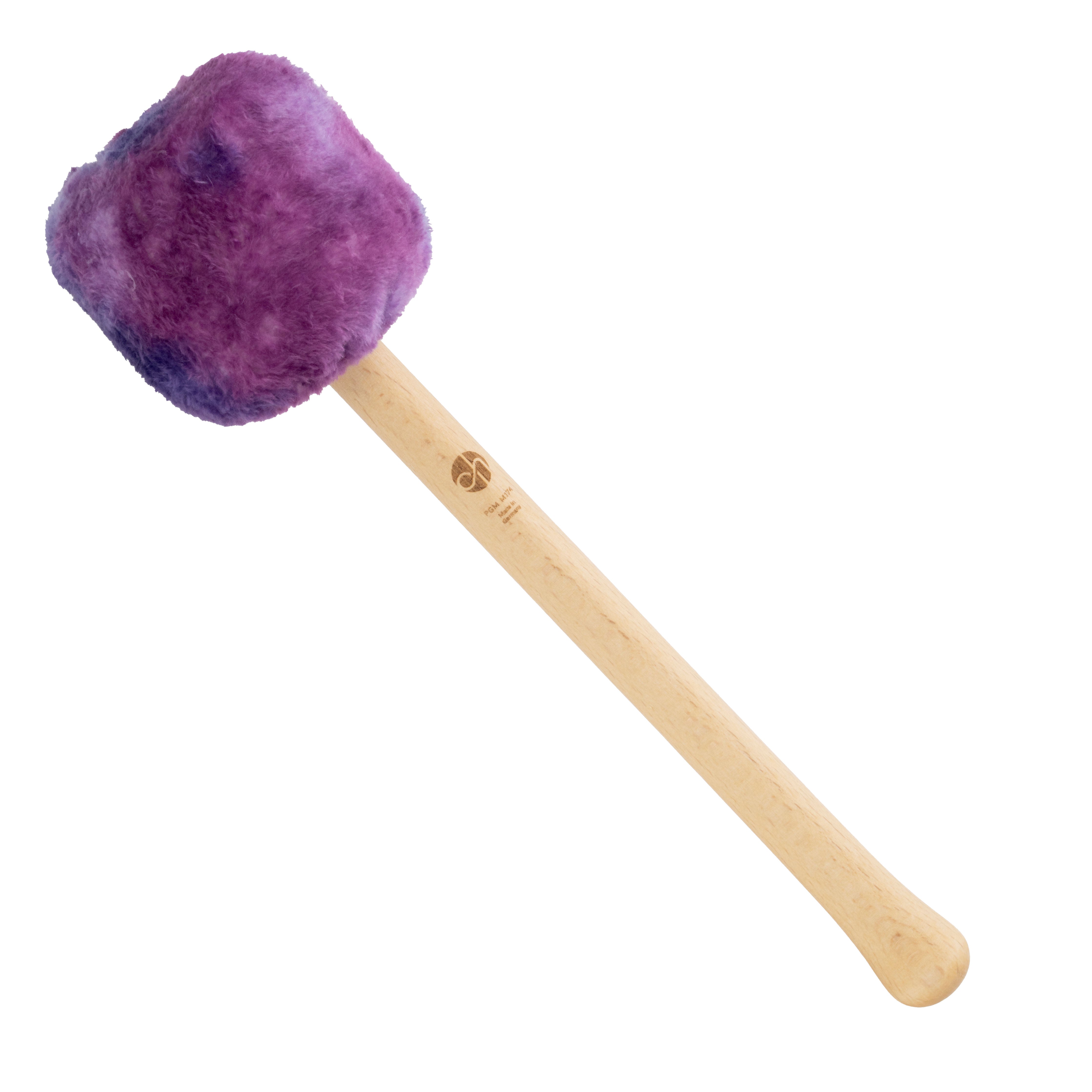
Not only the material, but also the shape and feel of a gong mallet have a major influence on how it feels to play and on the sound it produces. That’s why we design each handle so that the gong mallet sits the gong mallet , balanced, and comfortably in your hand. The slightly thickened end of the mallet’s handle ensures that the mallet doesn’t simply slip out of your hand while you’re playing. Just by feeling it, you know exactly how high you’re holding the mallet and can focus entirely on your sound practice. This ensures that the gong mallet remains comfortable and secure in your hand, even during longer sound massages, meditations, or concerts.
For our gong mallets, we use high-quality beech wood sourced regionally and sustainably. The handles are treated with organic wax, which makes them feel especially comfortable in your hand and helps them retain their natural texture.
In addition, the length of the shaft has a decisive influence on the playing experience. When designing our mallets, we tailor the length to perfectly match the respective head and its weight. This creates the optimal balance between the two ends of the mallet, allowing you to play the gong with precision, without fatigue, and intuitively.
Cylinder or sphere—which head shape is right for your gong mallet?
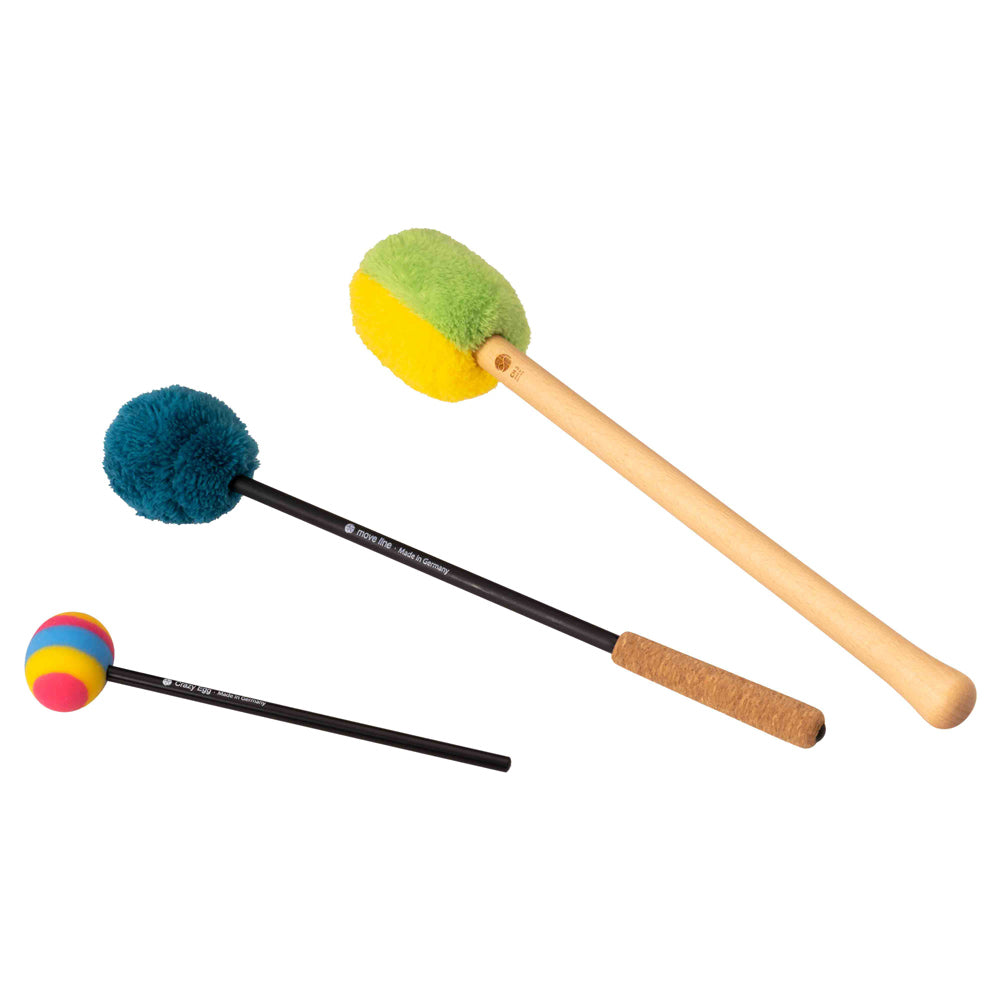
The shape of the mallet head has a significant influence on the sound of your gong. A cylindrical head, with its wider striking surface, offers a more even weight distribution and ensures a precise, direct strike and powerful impulses. A spherical head, on the other hand, produces a soft, full-bodied, and flexible sound with a broader tonal range. Which shape suits you best depends on your gong, your playing style, and the desired tonal character.
Both head shapes have their own strengths. Many gong players therefore combine different gong mallets so they can flexibly switch between precise impulses and soft resonances depending on the instrument, playing situation, and desired sound.
Sustainable and fair production of our mallets
From the very beginning, we made a conscious decision to avoid assembly-line production and instead rely on partnerships with small, family-run businesses and sustainable, locally sourced materials. We are convinced that sustainability and quality go hand in hand, and that the mindful use of resources and care for our environment directly impact the sound experience of our mallets.
That is why we are constantly refining our products, prioritize short shipping distances, and select our materials with great care.
Buy ollihess Vegan Gong Mallets
Almost all of our gong mallets are made exclusively from vegan materials. Whenever possible, we avoid animal-derived ingredients and develop sustainable alternatives without compromising on sound or durability.
Every day, we work toward our vision of providing you with the widest possible range of sounds—all while respecting the environment.
What is the difference between gong mallets and scrapers?
Gong mallets and friction mallets the sound of a gong in different ways. A gong mallet is used to strike gong. The sounds produced are therefore more dynamic. a gong mallet clear impulses as well as short or long-lasting resonances.
A gong friction mallet —also known as a friction mallet—is, as the name suggests, rubbed against the gong. It is drawn across the surface of the gong, causing the instrument to vibrate. A friction mallet a long-lasting sound, usually rich in overtones.
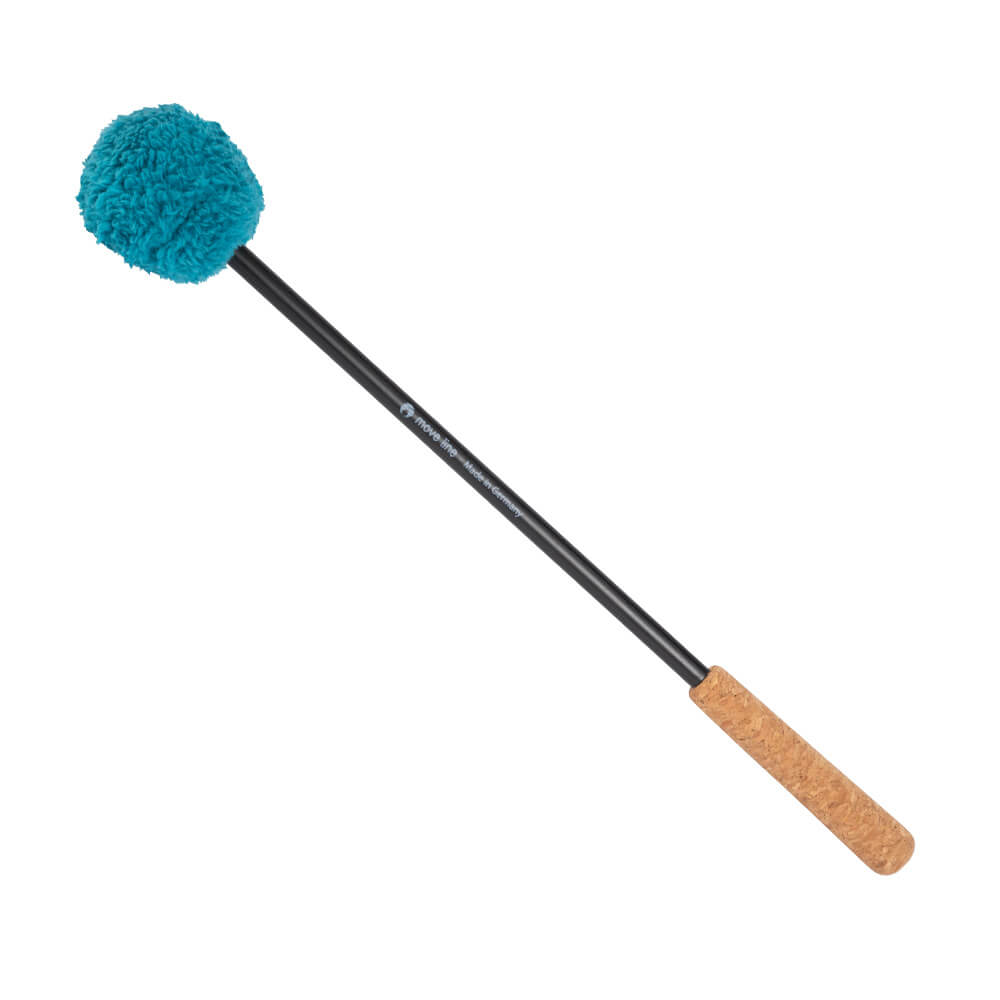
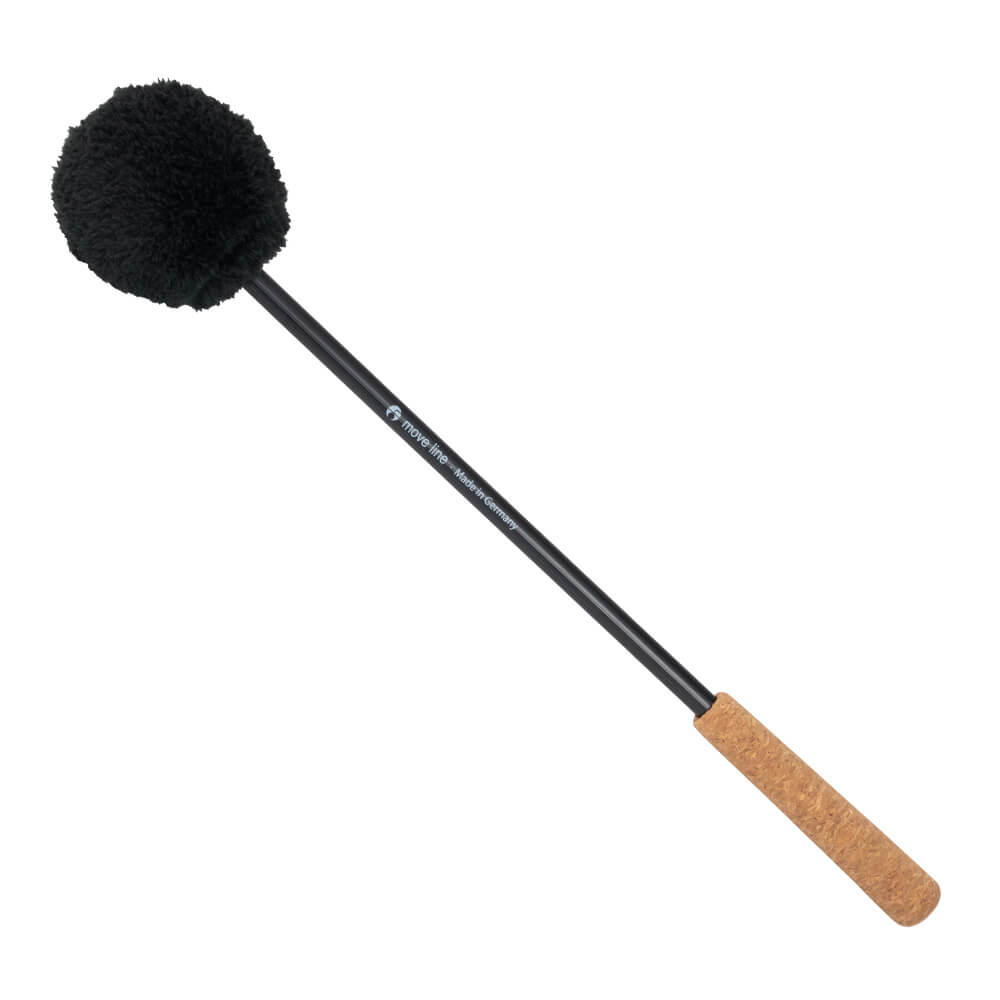
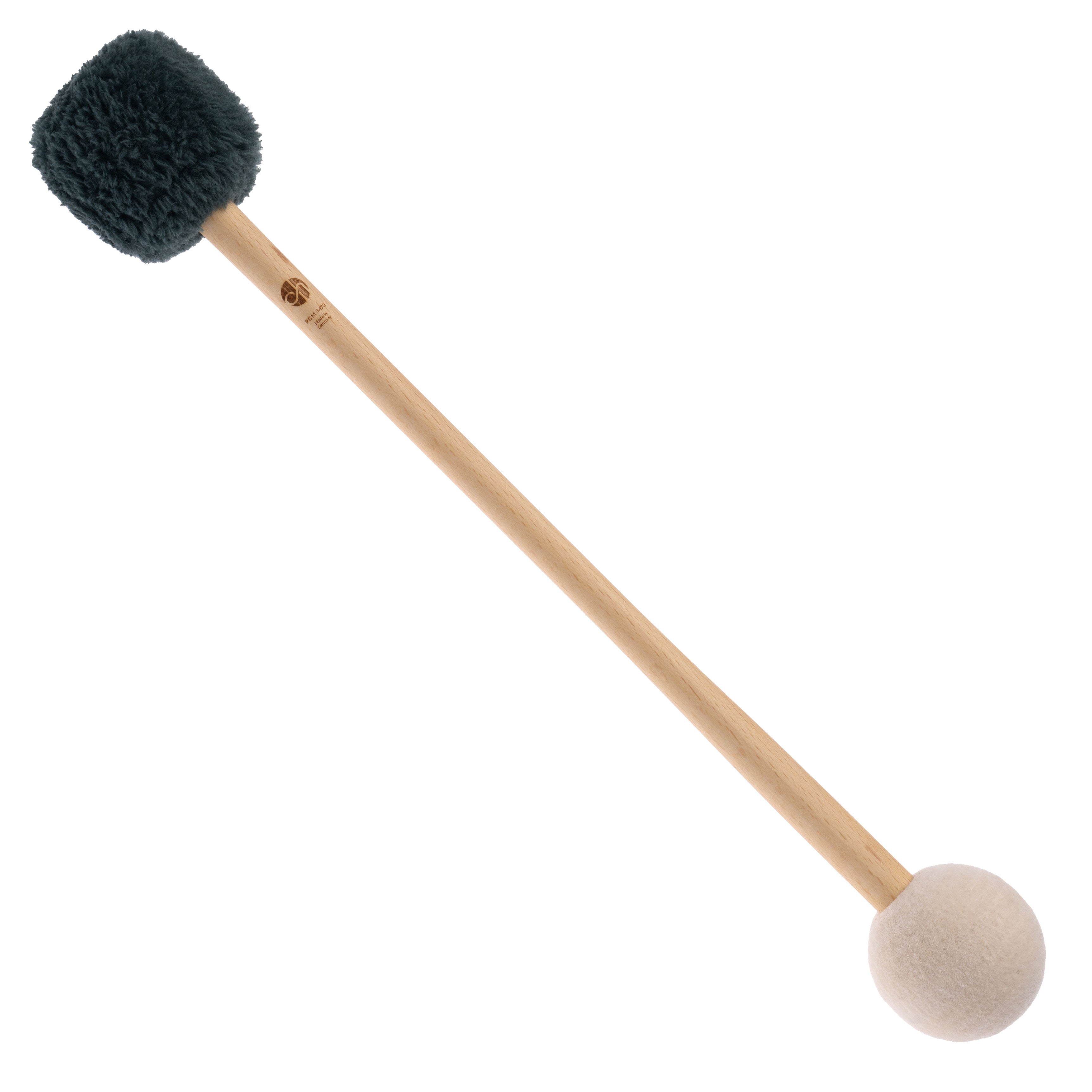
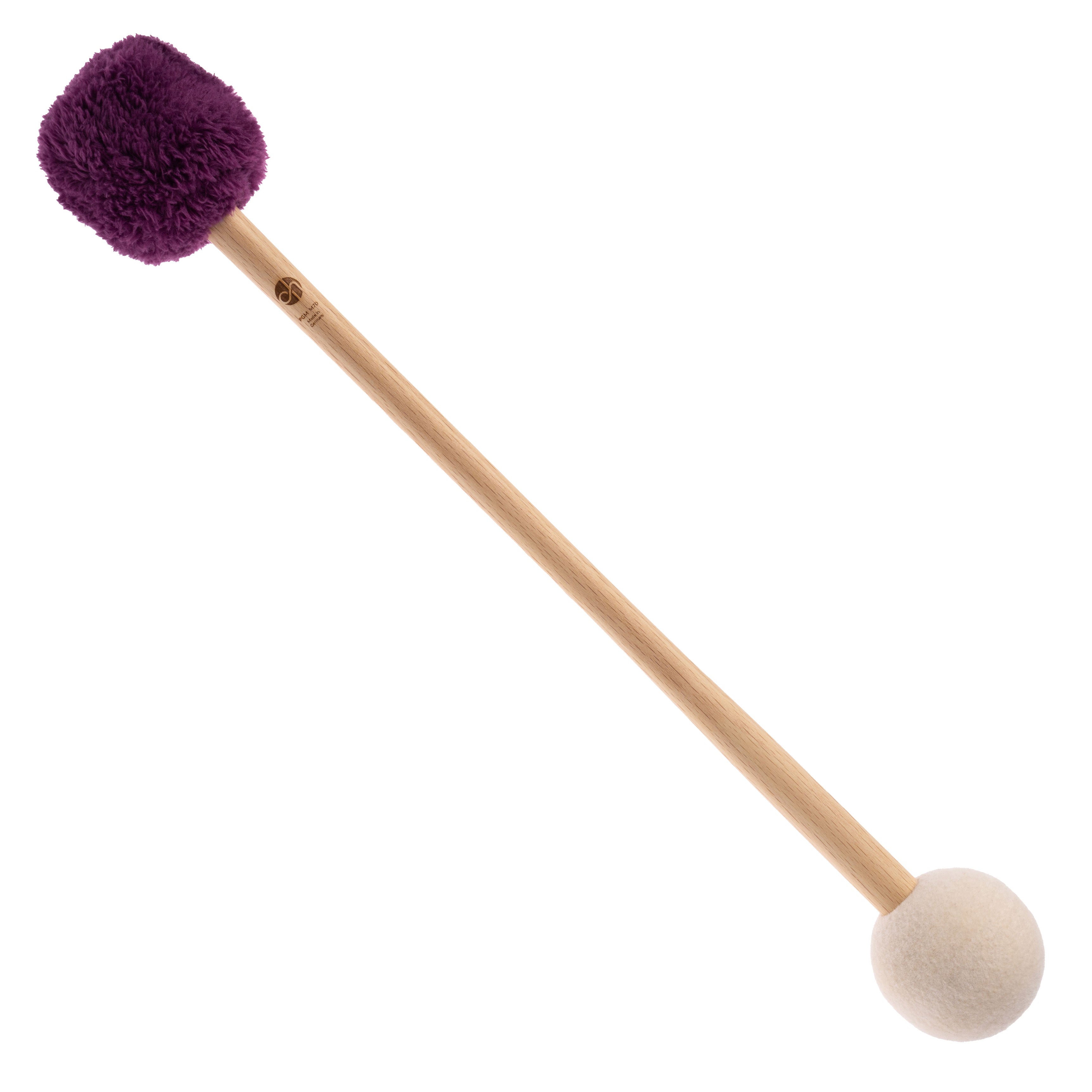
In addition, there are also felt mallets and rubber mallets, which offer yet other characteristics. Our Professional Gong Mallet J.O-70, for example, has a white felt ball at one end of the handle, which can be used singing bowl sounds on both the gong and the singing bowl .
Does ollihess also sell mallets for singing bowls?
Yes, some of our mallets are also ideal for use with singing bowls. Which model works best with your instrument depends on the size of the singing bowl the sound you want to produce.
For example, the Profi Gong Mallet Move Line Edition is very well suited for use with larger singing bowls, such as the Peter Hess® Universal Bowl. You can find out which other mallets are suitable for use with singing bowls, chimes, or drums in the detailed product descriptions.
Be sure to check out our gong accessories as well—you’ll find more practical items to enhance your gong playing experience.
Personalized Advice – We'll Help You Choose the Right
Mallets
Not sure which mallet is right for you? Then let’s talk!
The Olli Hess team is here to help you choose the perfect mallet for you—with personalized support via phone or email. With us, you won’t end up on an anonymous customer service hotline. By speaking directly with our customers, we’re constantly learning new things and can better incorporate your preferences into our product development. Above all, we’re committed to ensuring you have the bestpossiblesound experience. If you’d like to do some research onyourown first, our blog post titled“How to Find the Right Mallet for You”can also help.







 Sound meditation with gong or singing bowl: instructions and text
 New in our store: 3 hand-forged Blacksteel gongs
 Stimulating the Vagus Nerve with Sound—What's Really Possible?
 How the Sound of Gongs and singing bowls Affects singing bowls Breathing
 New at ollihess: The Kabalonga Waterfall Rattle