

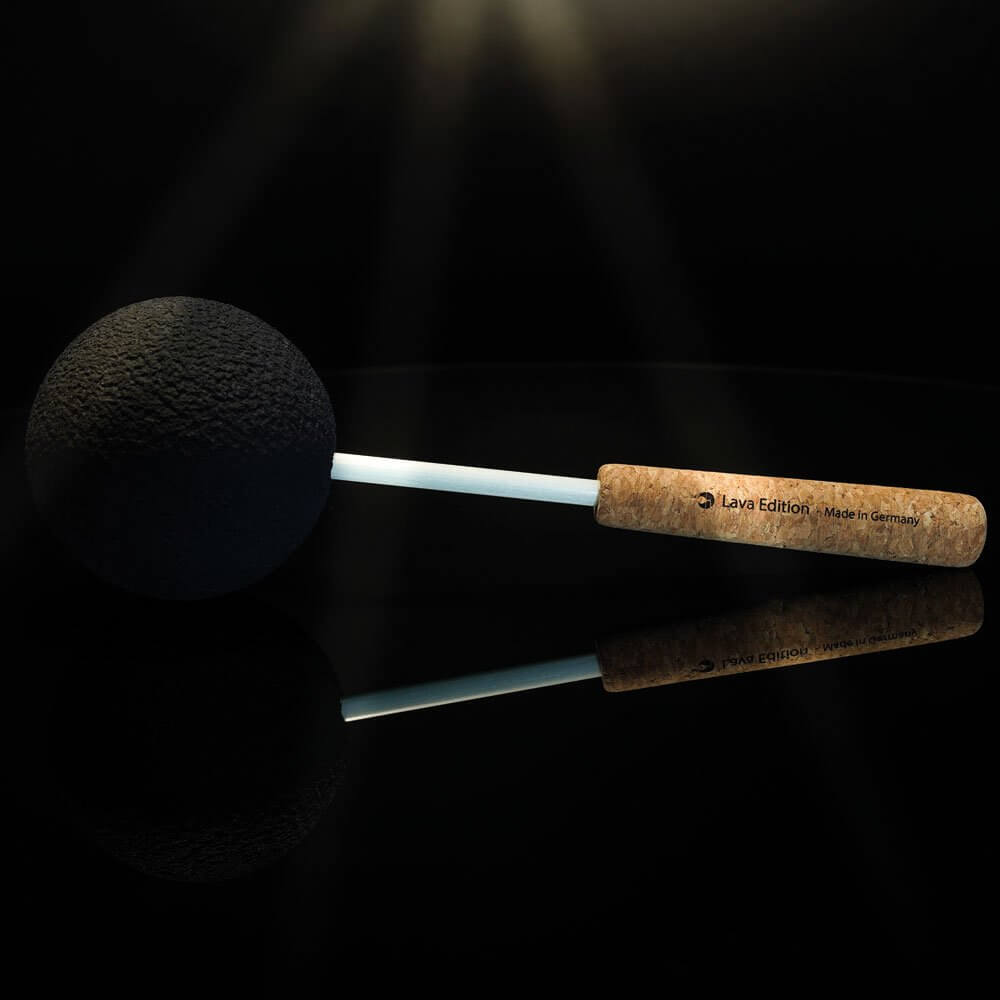
Care Guide · Gong Rubbers
This way, your friction mallet will keep its sound friction mallet
your friction mallet handcrafted in our family workshop—a soft rubber ball that makes your sound possible. With just a few simple steps, it will serve you well for years to come.
Why a friction mallet sounds friction mallet
If your friction mallet producing sustained sound waves or starts scratching the gong, it’s almost never due to a quality issue—it’s because the rubber ball has hardened. This changes the damping properties of the natural rubber, and the familiar sound spectrum is lost. Often, this isn’t noticed until after one or two years.
The most common causes:
- Residue from cleaning or polishing agents on the gong that accumulates on the ball
- Dust and dirt on the gong's surface that the friction mallet picks up friction mallet playing
- UV radiation or improper storage, which can damage the material
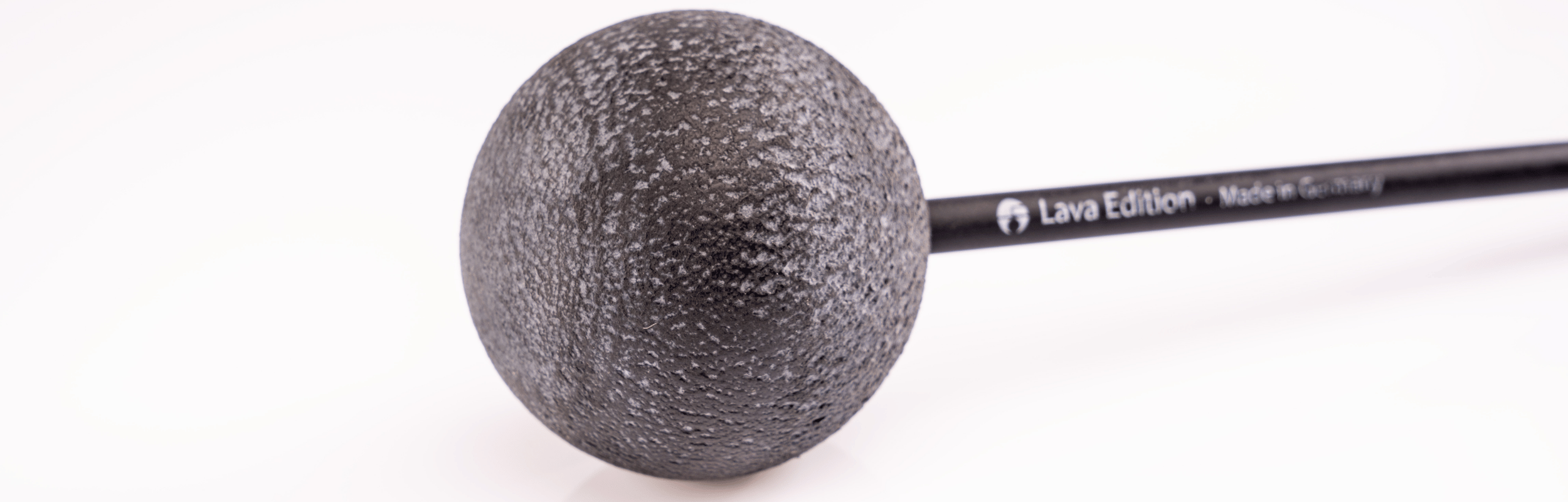
It's often the gong's fault—not the friction mallet
An important tip from the workshop: Often, friction mallet problem isn’t the friction mallet at all, but the gong. A gong is practically a magnet for dust and anything else floating in the air. Dust on the gong or residue from polish transfers directly to the rubber ball when you play, causing it to harden over time.
That's why we recommend wiping down the gong very briefly with a soft microfiber cloth before each performance. Always clean your gong first before friction mallet the friction mallet . Usually, everything will sound normal again afterward.
Good to Know
Your friction mallet like a good car tire
A friction mallet a practical tool, much like a good car tire. Even the best tire has to be replaced at some point, and that’s perfectly normal. But with proper care and a little love, you can get the most friction mallet of your friction mallet for many years: a full, warm, and long-lasting sound.
And the analogy goes even further: If you drive your tire through mud, the tread gets clogged up and it loses grip over time. If you slam on the brakes too often, the tire gets damaged. It’s the same with friction mallet. When it hits dirt on the gong, it almost always makes a sudden stop. friction mallet a clean gong keeps your friction mallet smooth, round, and long-lasting.
Here's How to Prevent It
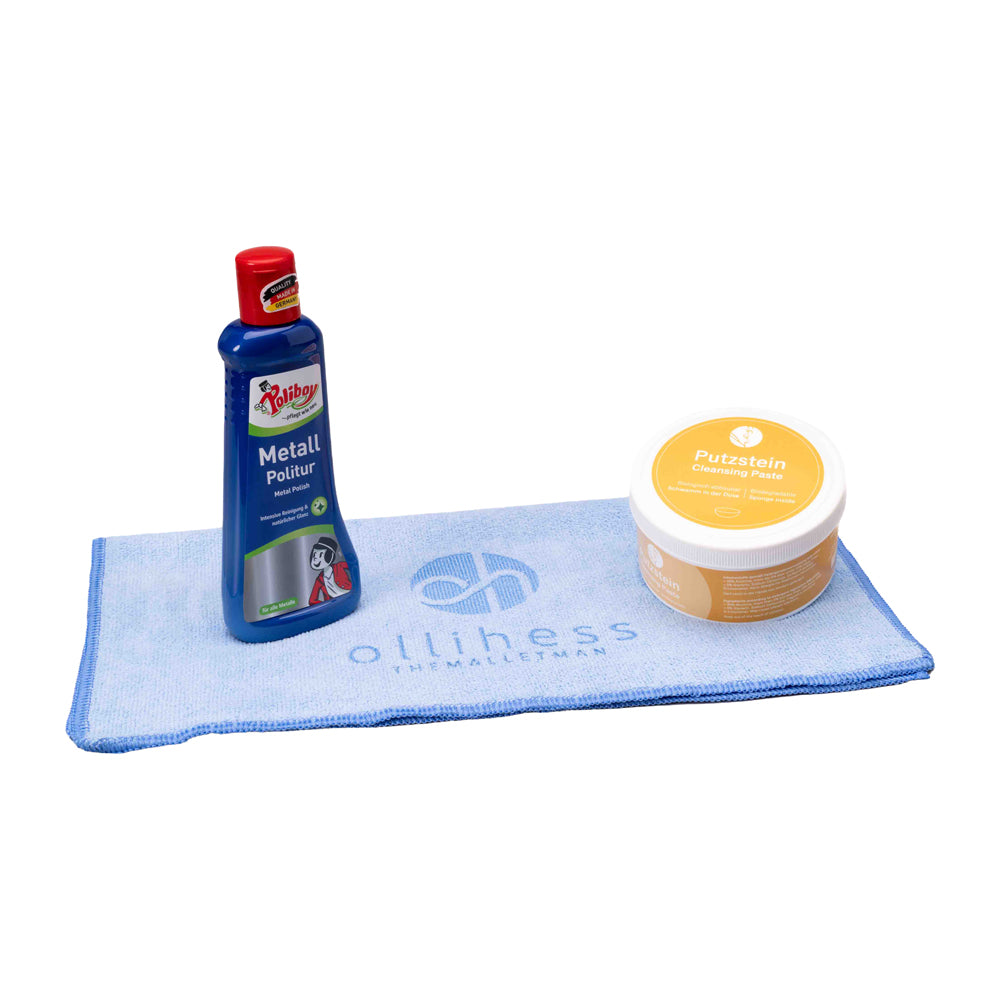
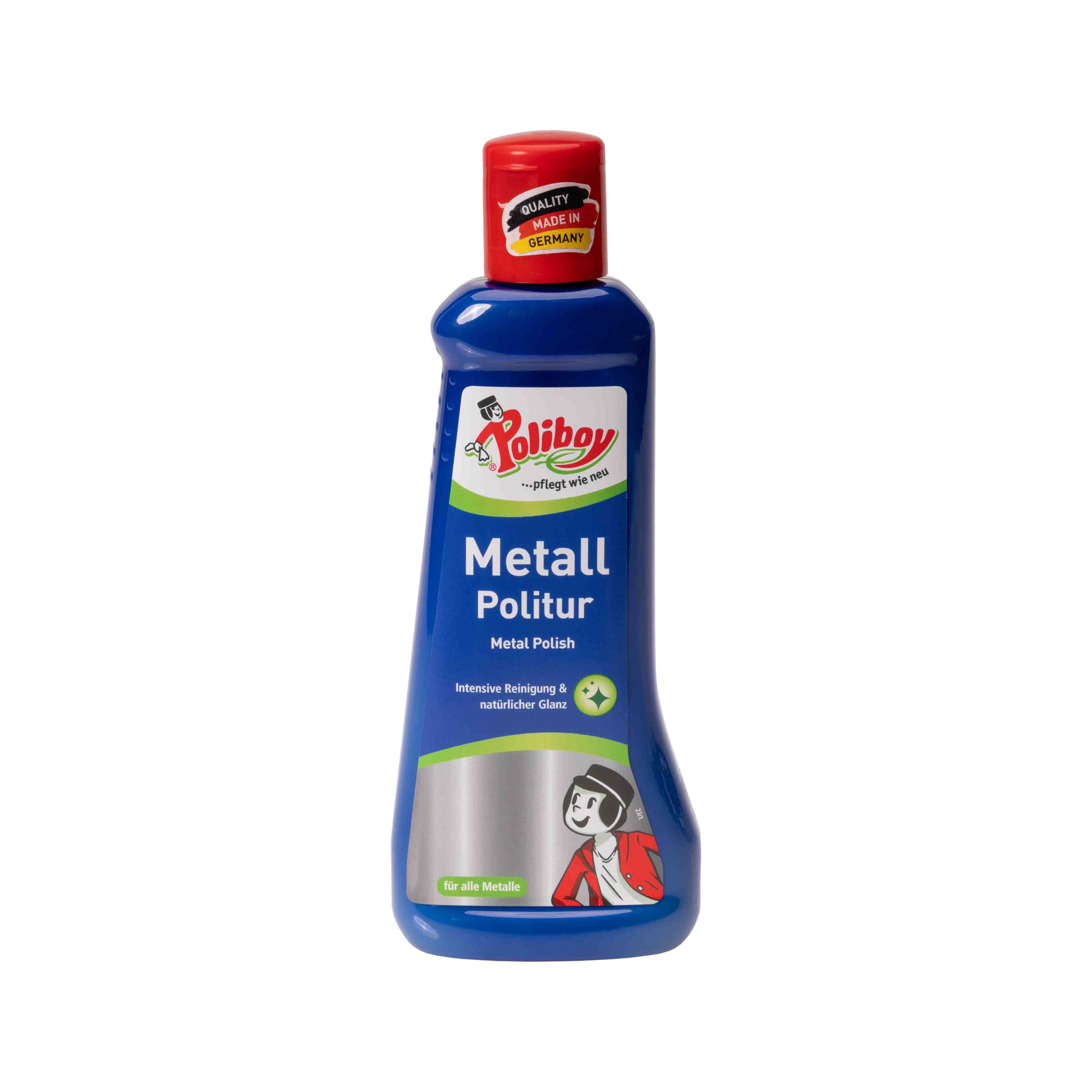
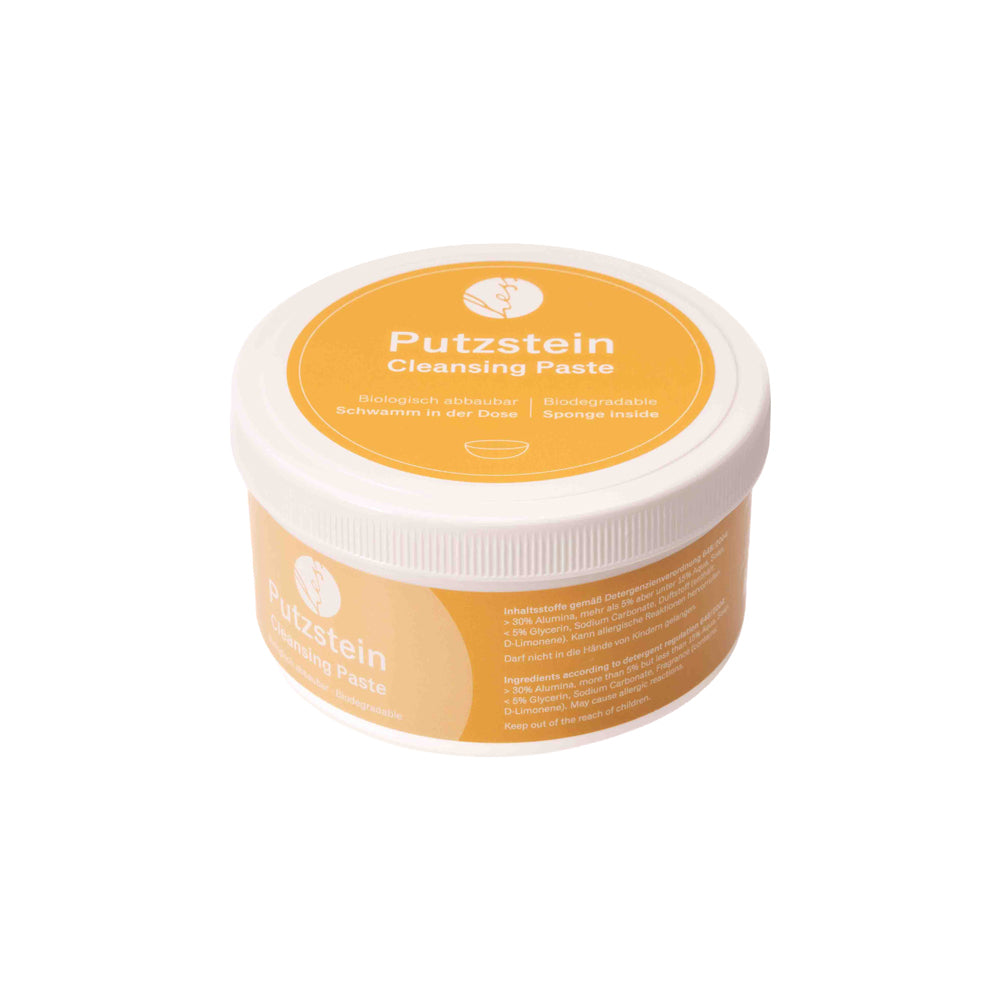
- Clean the gong regularly and properly. Polish nickel-silver gongs with the Poliboy and a dry, soft microfiber cloth. Bronze gongs (TamTam, Feng-Gong) are best cleaned with a polishing stone.
- Use only suitable products. Do not use harsh household cleaners or furniture polishes—they can leave a residue and friction mallet the friction mallet . Use only products specifically designed for musical instruments.
- Brush offfriction mallet . After every second or third use, gently brush the ball with a root brush or nail brush—this will remove dust before it builds up.
- Store in a protected place. Always keep dry and protected from UV light, preferably in the included zipper bag in a location that is as dark as possible.
First Aid for Mild Stiffness
Are you noticing the first changes in the ball? If so, a simple trick involving hot water often helps:
- Bring the water to a boil.
- Hold friction mallet a sink.
- Carefully pour hot water over the rubber ball.
- Let friction mallet (on a windowsill or radiator).
Good to know: The shock from the hot water can soften the surface again—but only if the hardening hasn't progressed too far.
Olli's Tip from the Workshop
Make brushing your hair part of your daily routine
Ten seconds with the brush after each session—that's all it takes. Your friction mallet you with years of rich, full sound. Maintenance isn't a chore; it's part of your sound practice.
Family-Owned Business
For us, sound is a family affair
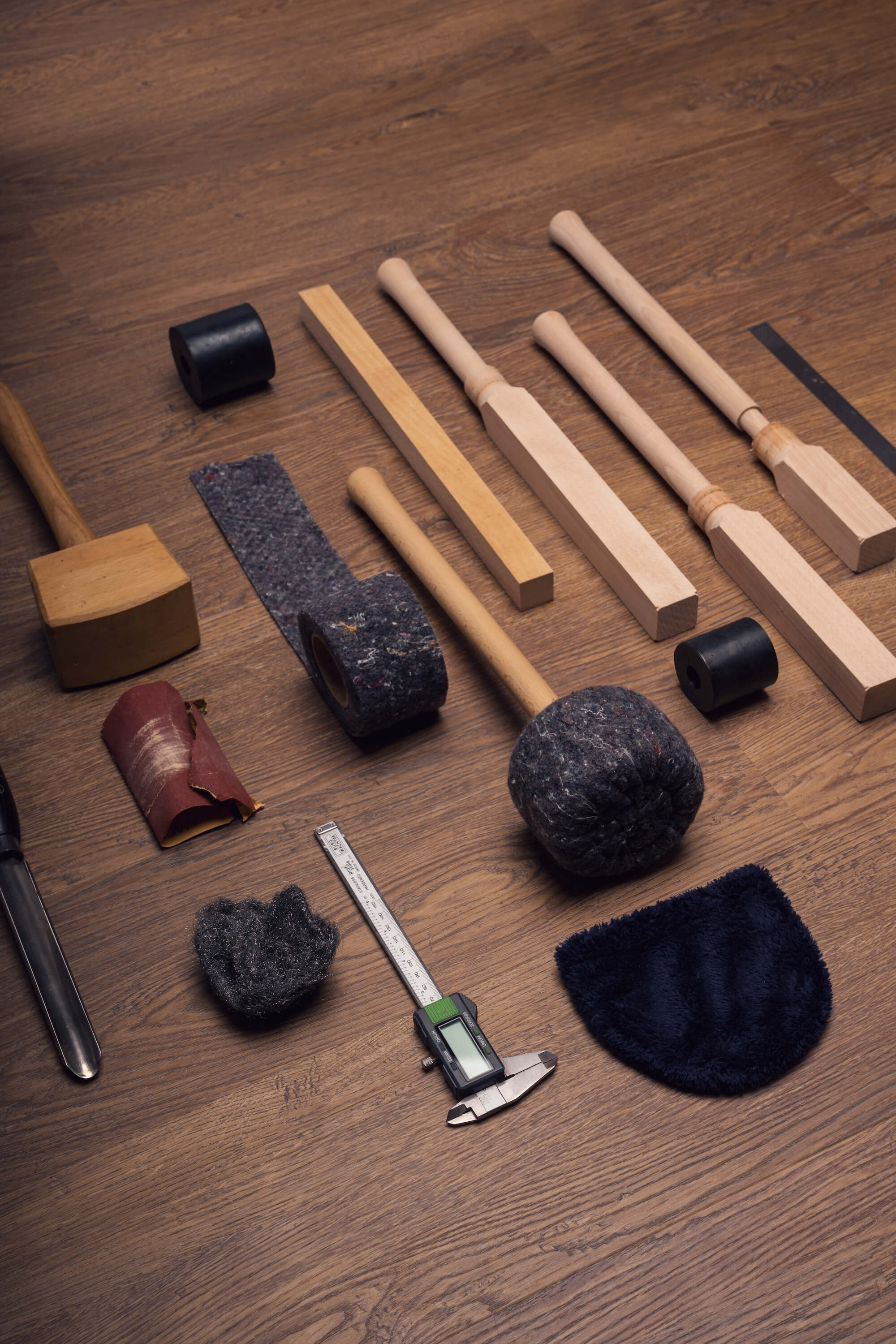
Every mallet and every friction mallet in our own workshop. From the very first step to the final sound check, everything is handled in-house, with time, experience, and attention to detail.
- 100 %
- Handcrafted
- 1
- Family, a Workshop
- ∞
- Attention to detail

FAQ
Short answers to the most common questions about your friction mallet.
My friction mallet marks on the gong—why is that?
Most of it is dust, but the biggest issue is polish residue left behind on the gong. The friction mallet picks it up friction mallet playing and spreads it across the surface.
Want a little proof?
A white Intense mallet can't leave black streaks at all. So what you see almost always comes from the gong, not from friction mallet. Clean your gong regularly with a dry microfiber cloth, and the marks will almost disappear on their own. Giving the friction pad a quick brush before playing also helps.
My friction mallet or skips across the gong—what should I do?
This happens when the ball is too dry or too smooth, or when there is residue on the gong. friction mallet brush off the friction mallet and clean the gong. If it remains smooth, lightly roughen the rubber ball with fine-grit sandpaper.
How hard do I need to friction mallet on the friction mallet ?
As little as possible. The friction mallet on smooth, light guidance, not on pressure. Let the ball do the work and glide it calmly and gently across the gong—that’s how you’ll create the most beautiful, resonant sound waves.
My Crazy Egg is leaving a snail trail—is that a problem?
No, that can happen sometimes, since Crazy Egg is a natural product made from cornstarch. Just wipe the gong with a good microfiber cloth, and the mark will be gone.
Does the sound of my grater change over time?
Yes, that's normal. natural caoutchouc slightly over the years. However, with proper care, storage in a dry place, and protection from UV light, the sound will remain full and vibrant for a very long time.
Can my friction mallet get friction mallet ?
Brief contact with water during cleaning is not a problem, but be sure to let it dry thoroughly afterward. You should avoid prolonged exposure to moisture or storing it while wet, as this can damage the material.
Our Recommendation
Everything you need for skincare—all in one set
A clean gong means friction mallet longer-lasting friction mallet: metal polish, a polishing stone, and a microfiber cloth—cleverly combined.