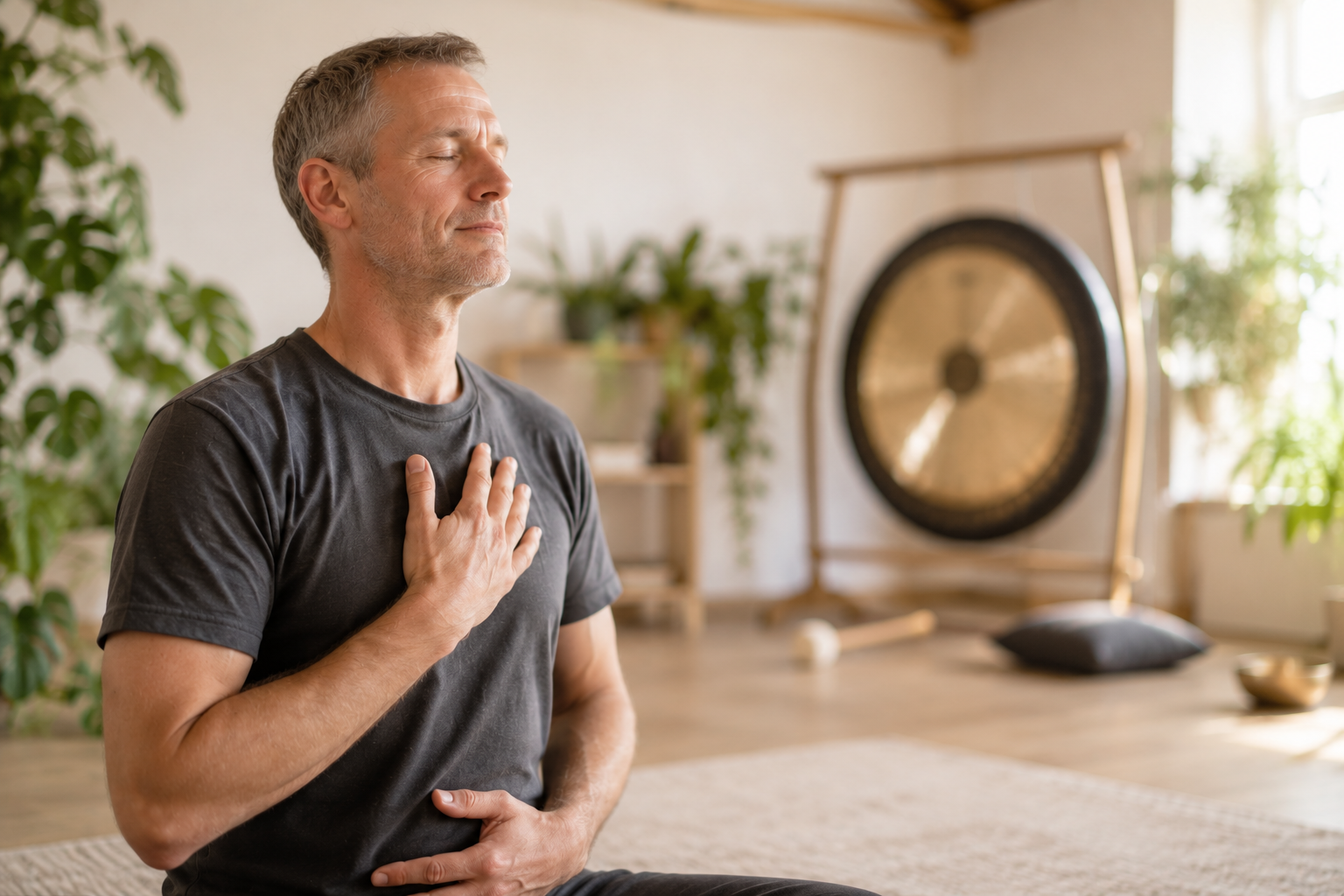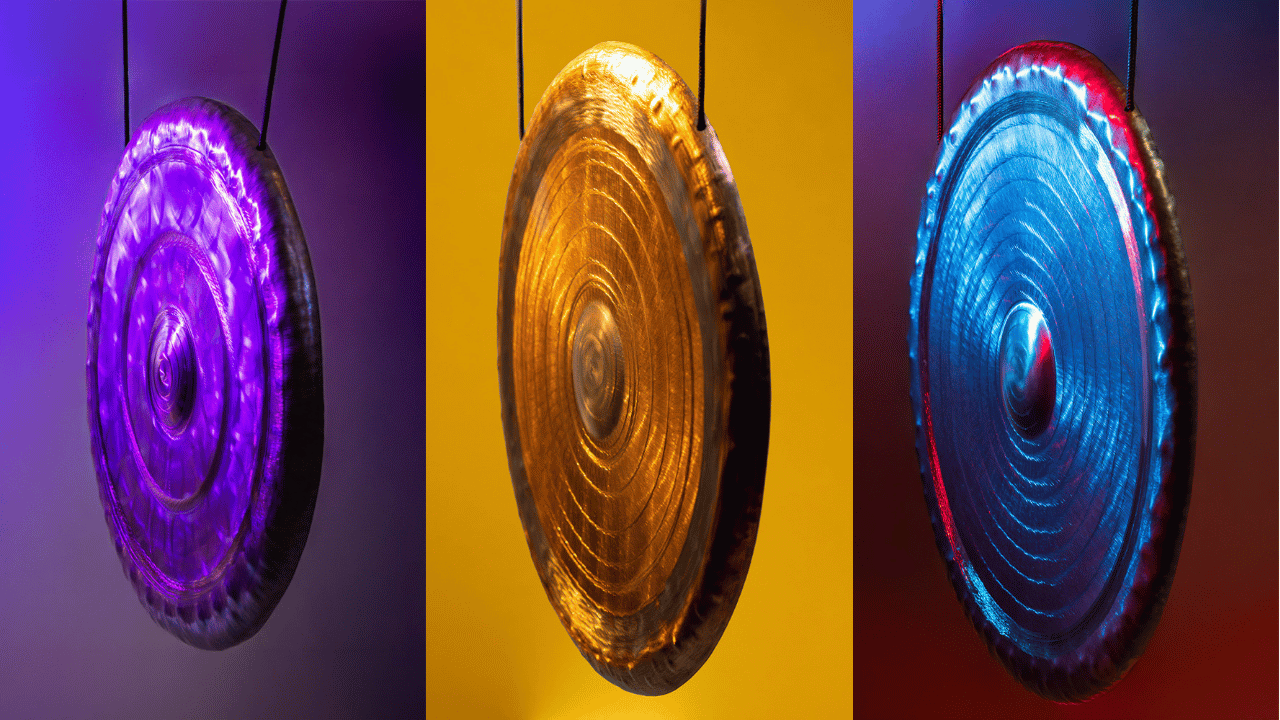



The vagus nerve, also known as the “nervus vagus,” is the longest and one of the most important cranial nerves in the human body. It plays a central role in the parasympathetic nervous system and influences vital functions such as heart rate, breathing, and digestion. In this article, you’ll learn more about its functions and the different ways to stimulate the vagus nerve. We’ll also explore the role that exercise, breathing, and sound can play in this process.
What is the vagus nerve?
The vagus nerve is an essential part of our parasympathetic nervous system and plays a central role in our body. Its main task is to control the parasympathetic nervous system, the part of the autonomic nervous system that is responsible for rest and recovery and promotes regeneration after stressful situations.
However, we now know that the commonly used distinction between “sympathetic nervous system = stress” and “parasympathetic nervous system = relaxation” is a gross oversimplification. Both systems work together continuously and adapt various bodily functions to the situation at hand. The vagus nerve plays a major role in parasympathetic communication between the brain and the internal organs.
Where is the vagus nerve located?
You will often find the vagus nerve referred to as the "wandering nerve" or "wanderer", as the vagus is a branched, large nerve that winds its way through the body from the brain stem down to the abdomen and is connected to various organs and tissues. It supplies numerous organs, including the heart, lungs and gastrointestinal tract.
What's fascinating is that communication doesn't just flow from the brain to the body, but also the other way around: A large portion of the fibers in the vagus nerve carry information from the body back to the brain.
The functions of the vagus nerve
The vagus nerve is the longest of our twelve cranial nerves and has far-reaching influences on a wide range of physiological processes:
Heartbeat and breathing
The vagus nerve regulates heart rate and can help slow it down through parasympathetic signals.
Breathing and autonomic regulation are closely linked. This is particularly evident in the fact that our heart rate changes slightly as we inhale and exhale.
Heart rate variability (HRV) also demonstrates how closely breathing and heart rate are linked. It describes the slight variations in the timing of our individual heartbeats. These variations change in response to our breathing, among other factors, and can provide insights into how our autonomic nervous system is currently being regulated.
Digestive support
The vagus nerve plays a crucial role in our digestive system. It is involved in communication between the brain and the digestive organs and influences the secretion and movement of our organs in the gastrointestinal tract. As a result, it promotes smooth and effective digestion.
Stress management
The autonomic nervous system also plays an important role in how our bodies adapt to stress and recovery. The sympathetic and parasympathetic nervous systems are not simply opposites; rather, they work together to regulate heart rate, breathing, digestion, and other bodily functions. The vagus nerve is an important part of this parasympathetic regulation.
How can I stimulate or calm the vagus nerve?
If you’re looking for “vagus nerve exercises” or ways to “calm the vagus nerve,” you’ll find a wide variety of methods. It’s important to distinguish between direct vagus nerve stimulation and exercises that can generally influence processes in the autonomic nervous system.
Medical vagus nerve stimulation does indeed exist. In this procedure, the vagus nerve is stimulated using electrical impulses. In addition to procedures that involve implanting a small device, researchers are now also exploring methods that are applied externally—for example, through the ear.
Breathing, relaxation, and sound exercises for everyday life should be distinguished from medical methods. They do not necessarily stimulate the vagus nerve directly, but they can influence processes involving the parasympathetic nervous system. Breathing, in particular, has been extensively studied in this context.
3 simple vagus nerve exercises
Box breathing
- Imagine your body as a box from your feet to your head. When you breathe in, the box fills with air and when you breathe out, it sinks back down again.
- Stay with this image and repeat this breathing exercise:
- Inhale (4 seconds)
- Hold your breath (4 seconds)
- Exhale (4 seconds)
- Hold your breath (4 seconds)
Effect:Conscious, slow breathing can affect your heart rate and autonomic regulation, and many people find it stress-relieving and calming. If holding your breath feels uncomfortable, you can simply breathe in calmly and breathe out a little longer instead.
Totals
- Breathe in deeply through your nose and start to hum as you exhale with your mouth closed.
- Optionally, you can also cover your ears with your hands or fingers to perceive the humming in your body more intensely.
- Repeat this approx. five times and then trace for a few breaths.
Effect:Humming is often recommended as an exercise for the vagus nerve. However, there is insufficient scientific evidence to support the claim that the resulting vibrations directly stimulate the vagus nerve in the throat. Humming is still interesting, though: It often lengthens the exhalation and connects breathing, the voice, and conscious awareness.
Note: Did you know that the vagus nerve actively influences your voice and thus also indirectly affects the sound of your voice? However, the sound or pitch of your voice does not allow for any direct conclusions about how “well” your vagus nerve is functioning. Anatomy, breathing, and vocal technique also play an important role.
Stimulate the vagus nerve with sound
But can sound actually stimulate the vagus nerve? Sounds can be associated with measurable changes in our autonomic nervous system. However, it cannot yet be concluded from this that the vibrations of a gong or a singing bowl can directly stimulate the vagus nerve.
Sounds (often also in connection with Sound Healing (when used) can affect our autonomic nervous system. Studies on music and other acoustic stimuli show that listening to them can alter, among other things, heart rate and heart rate variability. Whether the vibrations of gongs, singing bowls , or other Sound instruments However, there is not yet sufficient scientific evidence to support the claim that direct stimulation of the vagus nerve is effective.

The effect of sound on the vagus nerve
Intense sounds and vibrations, such as those produced by gongs or singing bowls , can affect our bodies and our autonomic nervous system in various ways. The deep, resonant sounds of a gong travel through the air and can be not only heard but also physically felt as vibrations. At the same time, during a sound session, we often sit or lie still, listen intently, and become more aware of our bodies and our breathing. All these factors together can influence how we experience the sound space. Studies on music and sound provide initial evidence that such sound experiences may be associated with changes in autonomic and parasympathetic regulation. However, there is not yet sufficient scientific evidence to confirm whether the sounds of gongs or singing bowls directly stimulate the vagus nerve.
Effect of gong meditation on the vagus nerve
The combination of gong sounds and meditation can influence the processes of the autonomic nervous system. During times of stress, the sympathetic nervous system is often more active, while during periods of rest and relaxation, parasympathetic processes play a greater role. Both systems work closely together and constantly adapt our bodily functions to the situation at hand.
Sound and meditation can also support processes associated with relaxation and parasympathetic regulation.
By consciously listening to and feeling the sounds of the gong and focusing on the vibrations in your body, your attention becomes more centered on the present moment and your own body awareness. Your breathing may also become calmer as a result.
Studies on music and sound have shown, among other things, changes in heart rate and heart rate variability, which may indicate changes in autonomic regulation. However, research specifically on gongs is still limited. Whether gong sounds directly stimulate the vagus nerve has not yet been sufficiently proven scientifically.
Vagus Nerve Stimulation with Gong Meditation—What Is Possible?
If you want to combine the sounds of the gong with mindful breathing and body awareness, you don’t need any complicated techniques or methods. The important thing is to try to focus as consciously as you can on the sounds and sensations within you and let the vibrations work their magic on you.
As you do this, also pay attention to your breathing and body awareness, without trying to force anything. Calm, slow breathing, in particular, can be associated with stronger parasympathetic regulation.
- Sound meditation with gong or singing bowl: instructions and text
- Gong meditation for more gratitude in everyday life
- Rituals with sound: how to use your gong every day
- Gong meditation for more focus and clarity
- Heart meditation with gong - open your heart
Conclusion: Vagus Nerve Stimulation with Sound
The vagus nerve is an important part of our autonomic nervous system and plays a central role in many processes associated with rest and relaxation. In particular, the connections between the vagus nerve, breathing, and heart activity have been well studied scientifically.
Sound—particularly that produced by gongs and singing bowls —can create a special setting for relaxation, meditation, and mindful body awareness. Initial research findings on music and sound also reveal interesting connections to autonomic regulation. However, there is not yet sufficient scientific evidence to confirm whether the vibrations of gongs or singing bowls directly stimulate the vagus nerve.
For your own sound practice, this means above all: Listen, tune in, and observe how your body reacts to different sounds, dynamics, and playing styles.
Studies
Effects of Tibetan Singing Bowl Intervention on Psychological and Physiological Health in Adults: A Systematic Review — Healthcare (MDPI)
Study
Therapeutic Effects of Singing Bowls: A Systematic Review of Clinical Studies — Integrative Medicine Research / Elsevier
Study
Acute Relaxation Response Induced by Tibetan Singing Bowl Sounds: A Randomized Controlled Trial — International Journal of Environmental Research and Public Health / MDPI
Study
Effects of Voluntary Slow Breathing on Heart Rate and Heart Rate Variability: A Systematic Review and a Meta-Analysis — Neuroscience & Biobehavioral Reviews / Elsevier
Study
The Brain's Resonance with Breathing – Decelerated Breathing Synchronizes Heart Rate and Slow Cortical Potentials — Journal of Breath Research / IOP Publishing
Study
Research Projects on Sound-Based Methods — Peter Hess Institute / European Professional Association for Sound Massage Therapy
Research Overview