What instruments do I need for a sound bath?
You don’t necessarily need many instruments for a sound bath. With just a gong or a singing bowl , you can create a varied and multi-layered soundscape. You can always supplement your primary instrument with additional sound instruments. With each additional sound bath instrument, you can expand your performance to include new timbres, dynamics, and subtle accents.
Among the most commonly used sound bath instruments are gongs, singing bowls, crystal singing bowls, chimes, rain sound columns, cymbals, and drums. Ocean drums, rainsticks, and tuning forks can also be used in sound baths.
It’s not uncommon for gongs and singing bowls to form the foundation, as they can be wonderfully combined with other instruments later on.
Which instruments you choose for your sound bath depends on which sounds appeal to you, how you want to structure your sound bath, and how much you’re willing to invest.
Gongs and " singing bowls " as the foundation for your sound bath
Gongs and singing bowls are used very frequently in sound baths for good reason. With their varied timbres, long-lasting vibrations, and diverse playing techniques, they are well-suited for gaining initial experience with sound baths.
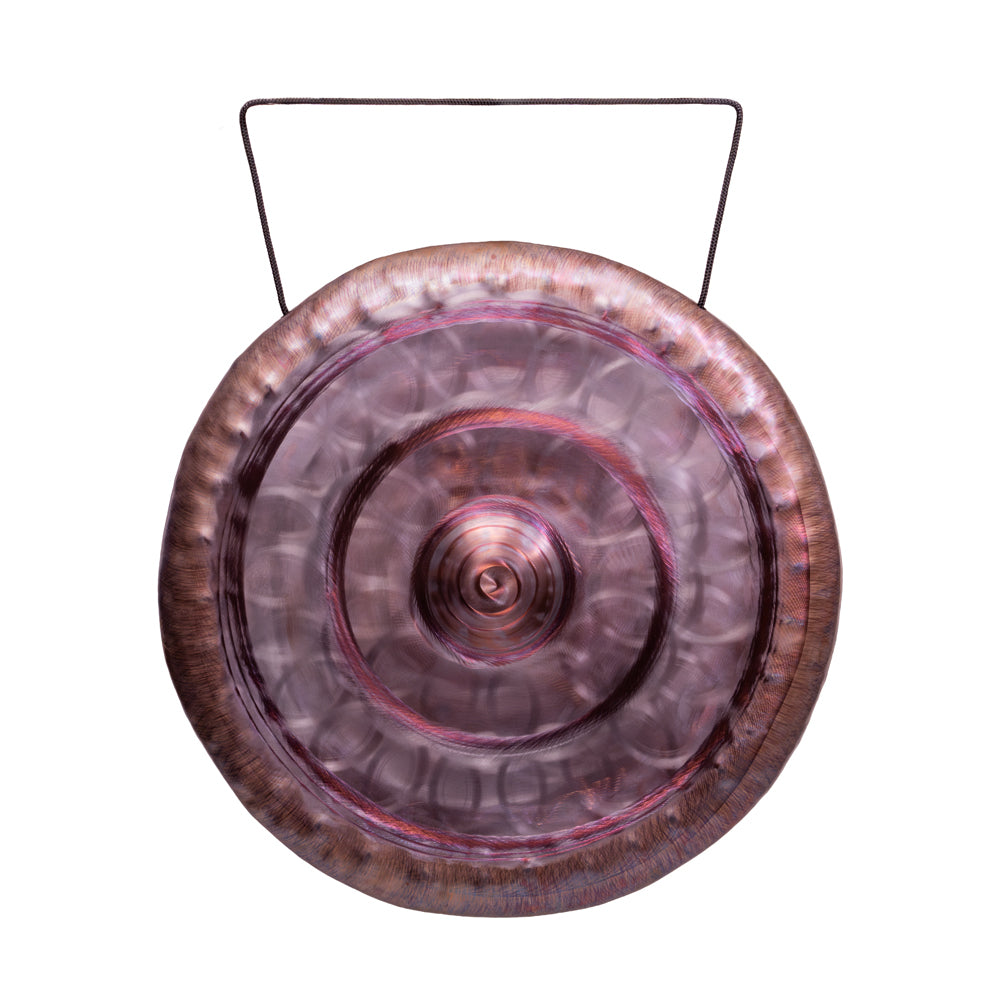
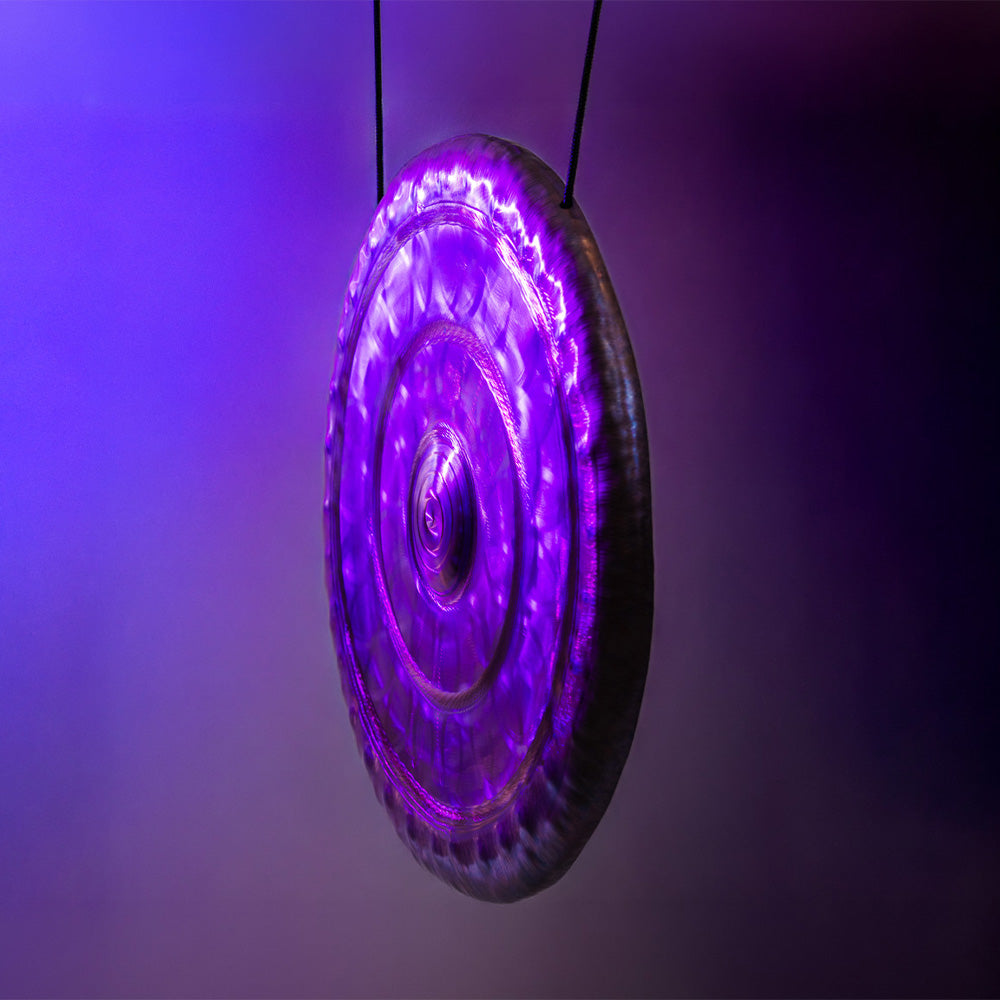
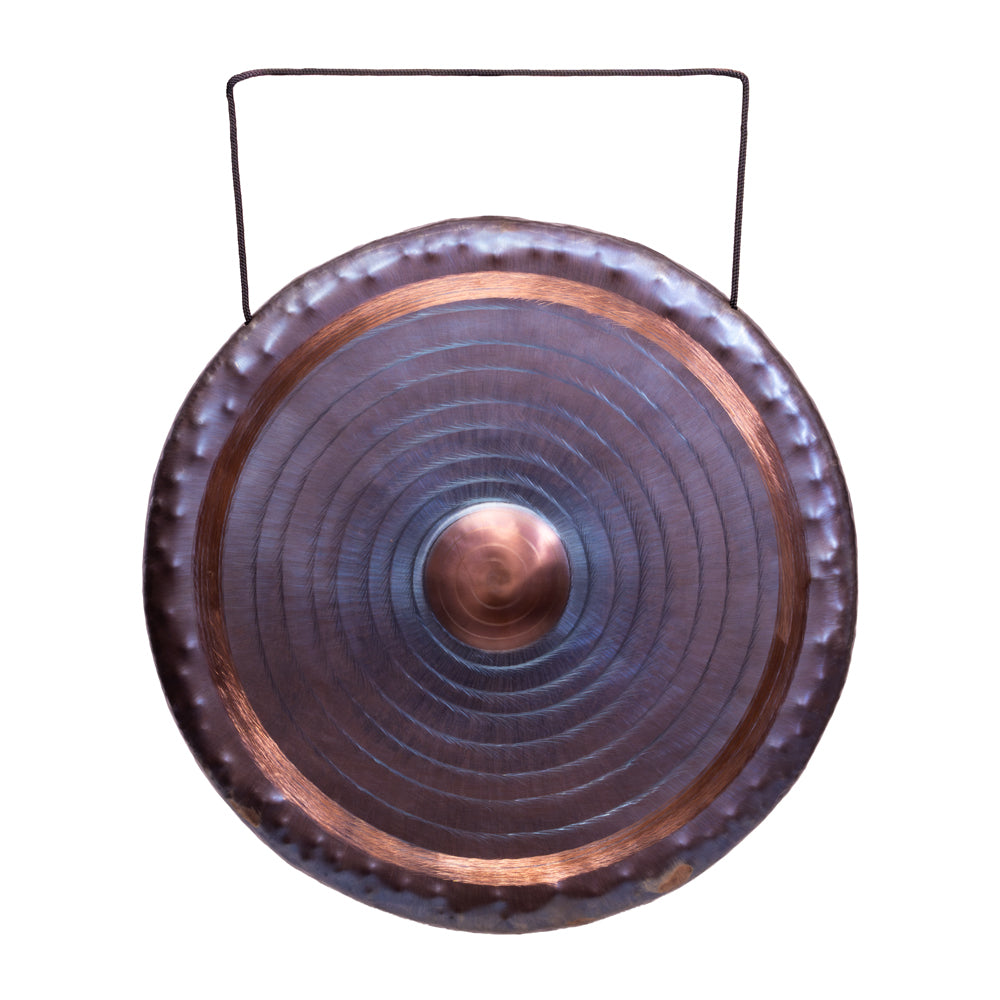
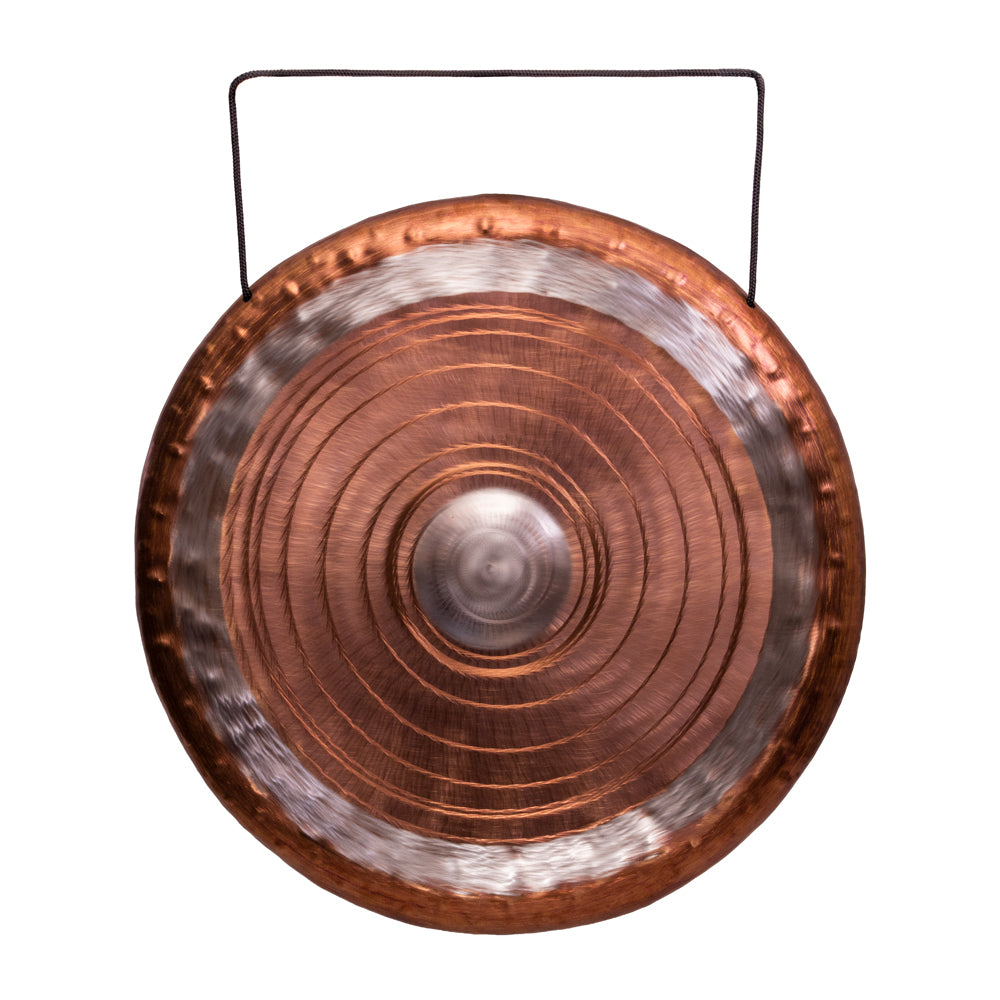
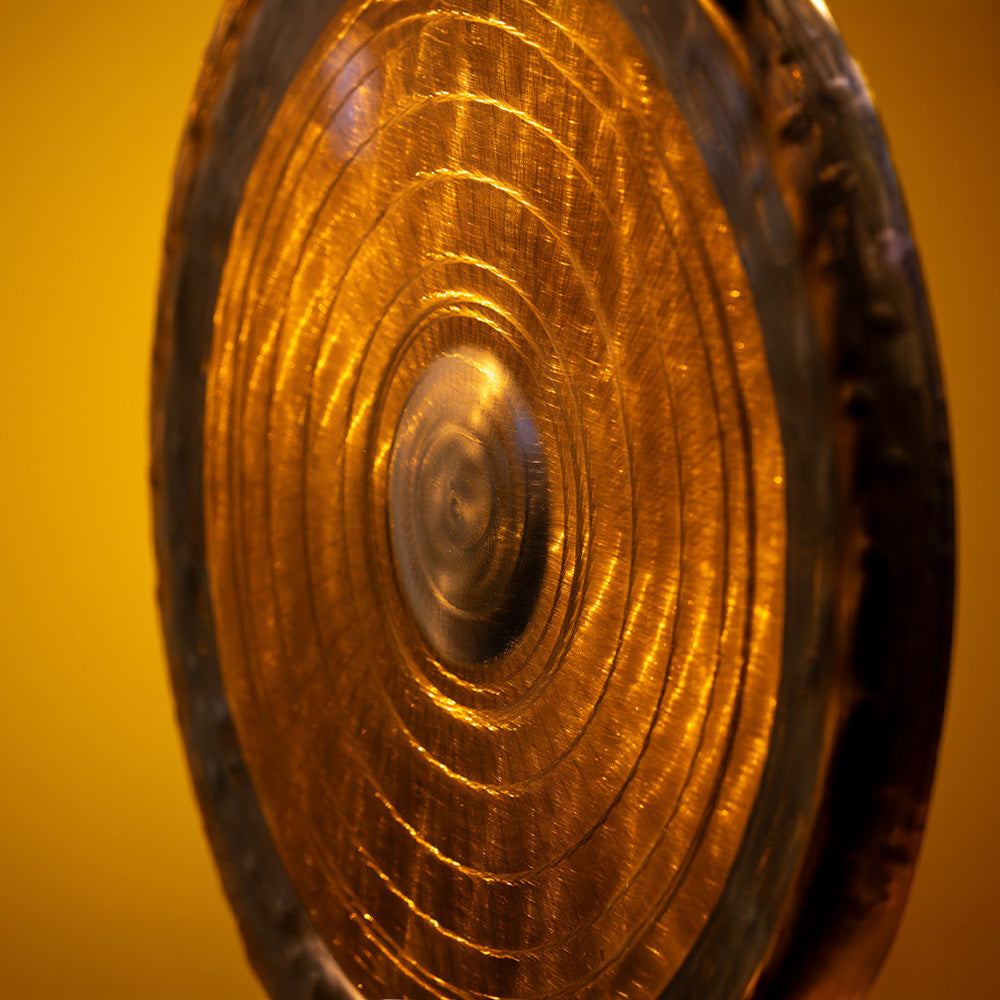
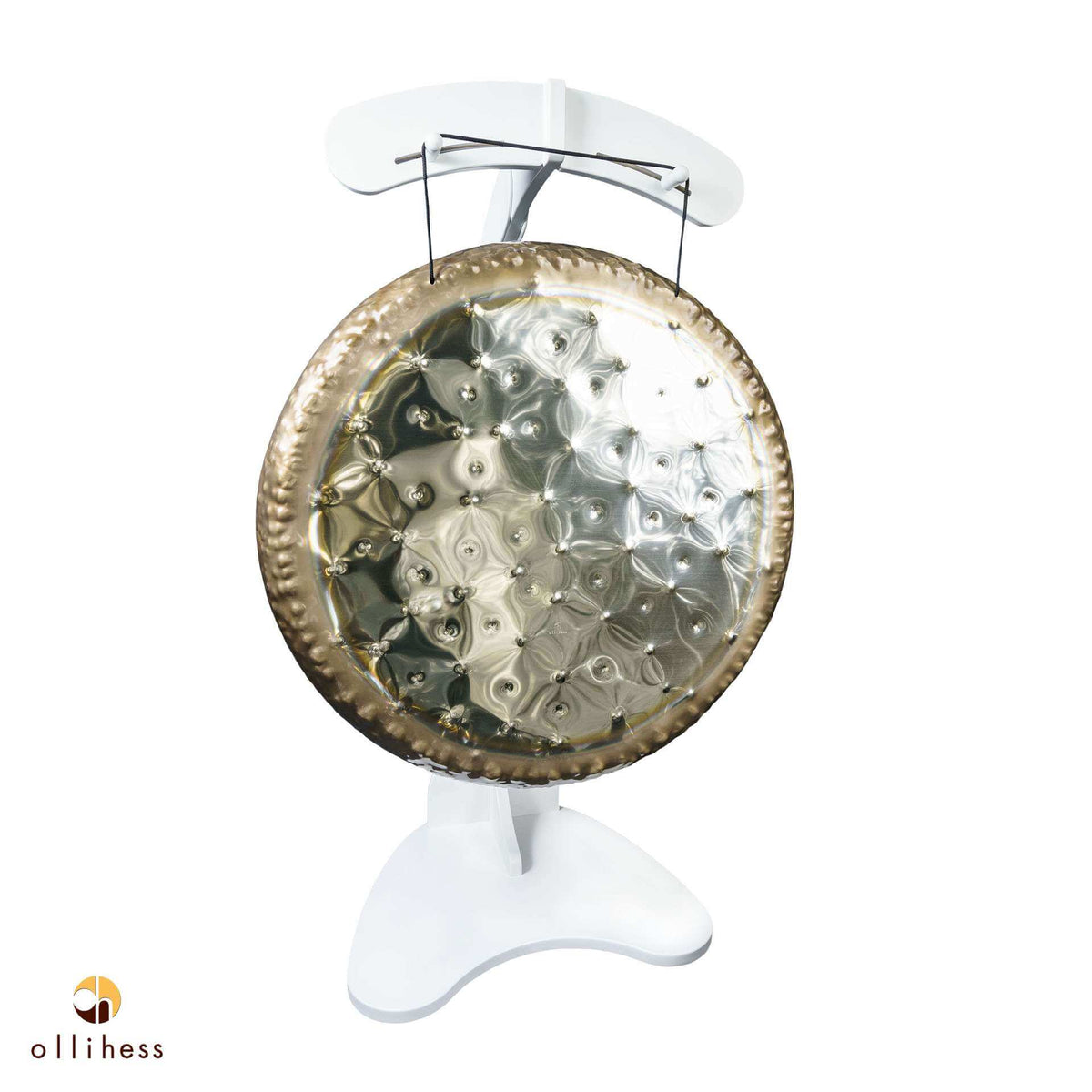
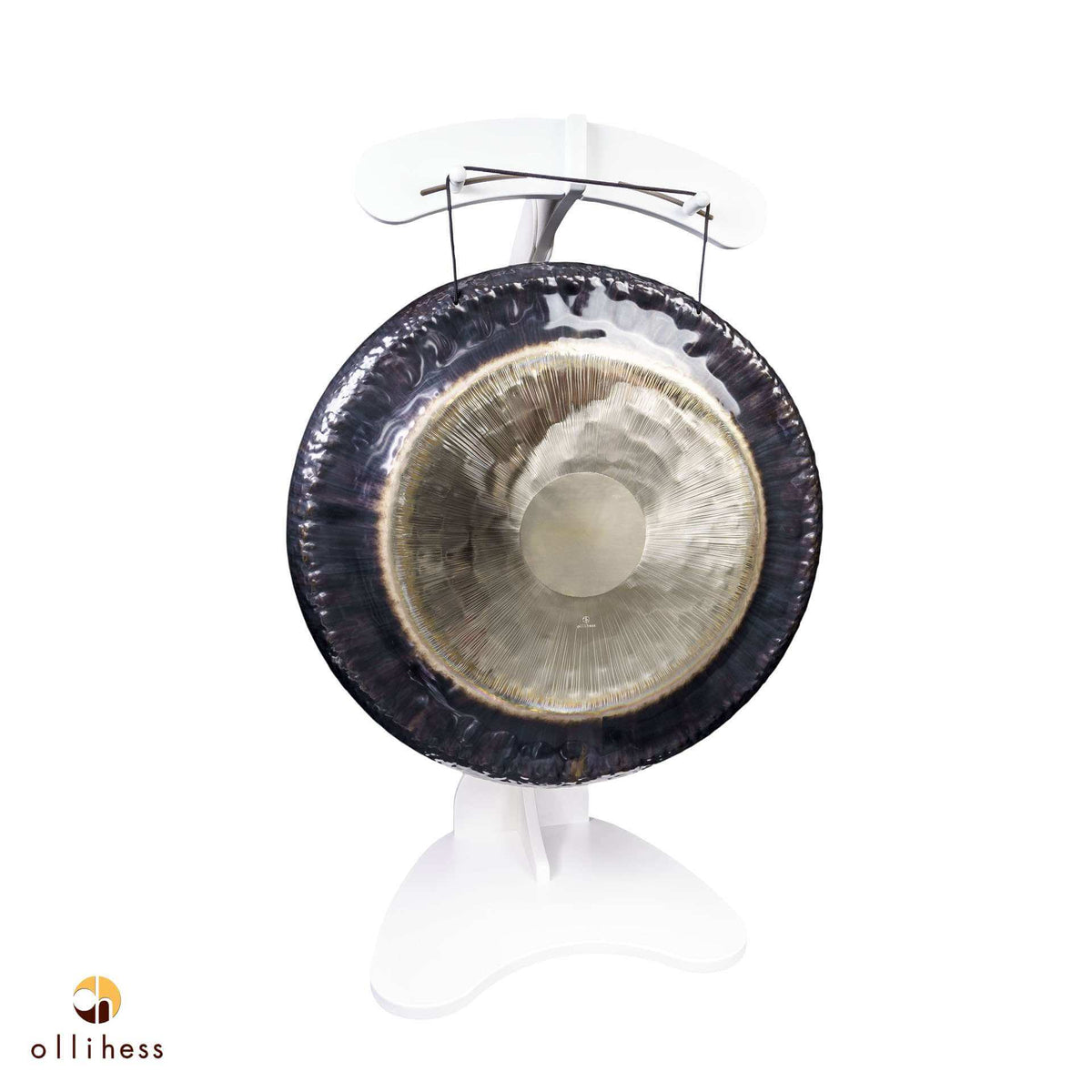
A gong can produce both gentle, subtle sounds and intense, multi-layered sound patterns. You can influence the sounds produced through different striking and rubbing techniques, as well as by choosing the right mallet or striker. A gong can produce complex overtones and soundscapes that constantly change as you play.
High-quality singing bowls made of a bronze alloy are characterized by particularly delicate vibrational behavior and enrich a sound bath with a wide range of overtones. Crystal singing bowls are also occasionally used in sound baths. They come in various sizes and are made of processed quartz. Crystal singing bowls produce clear, often bell-like tones. They are usually tuned to specific pitches, though slight deviations are not uncommon.
Schlägel and friction mallet at the Sound Bath
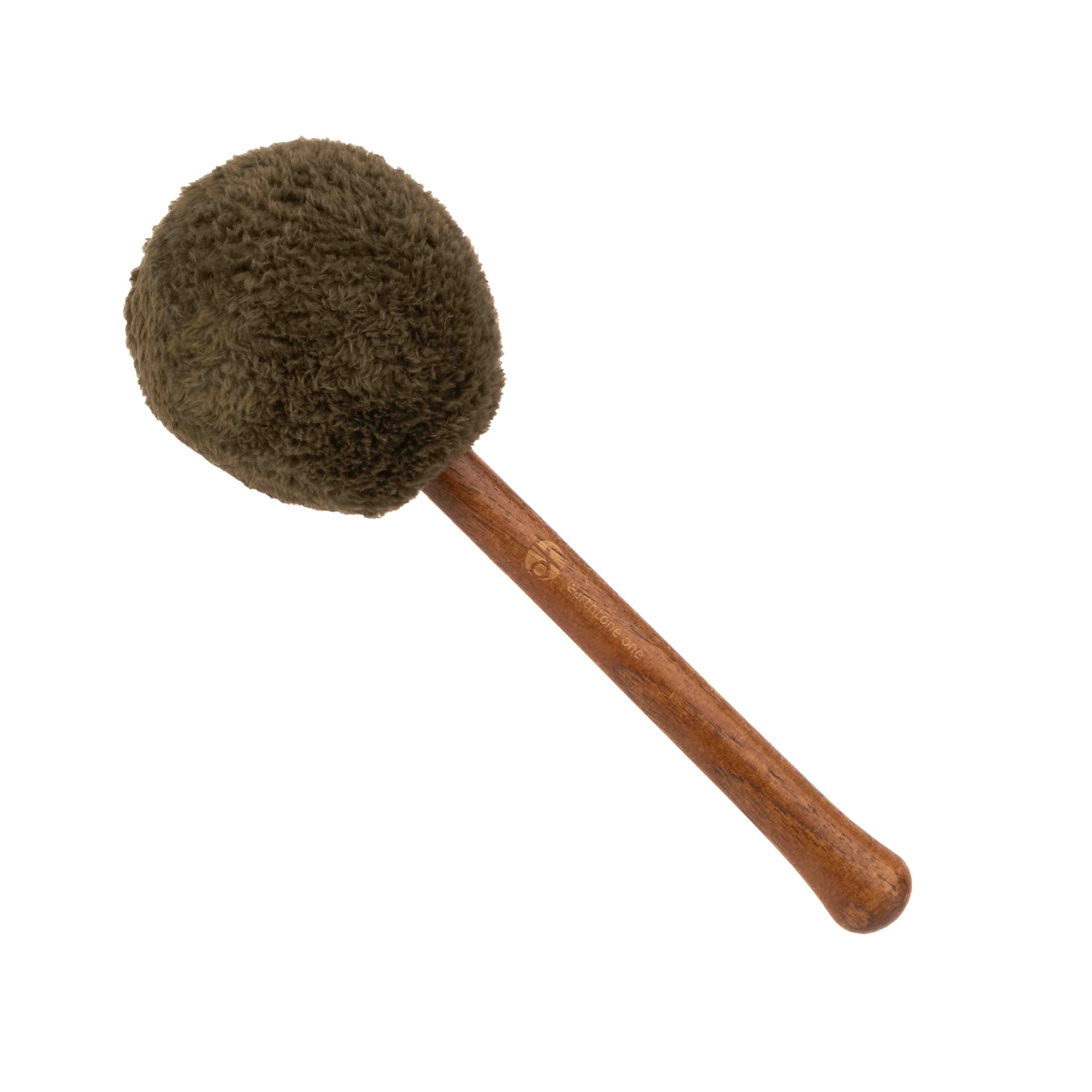
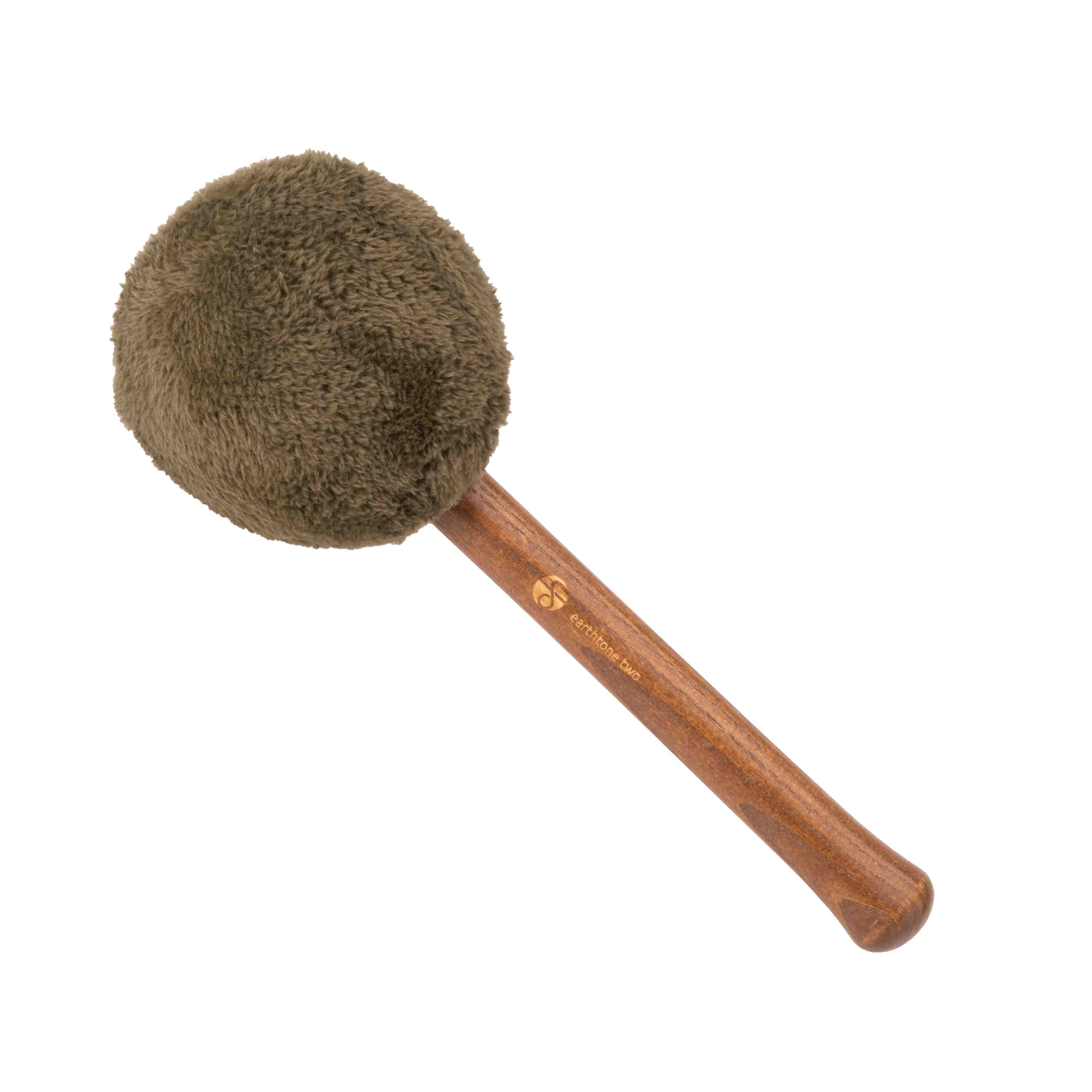
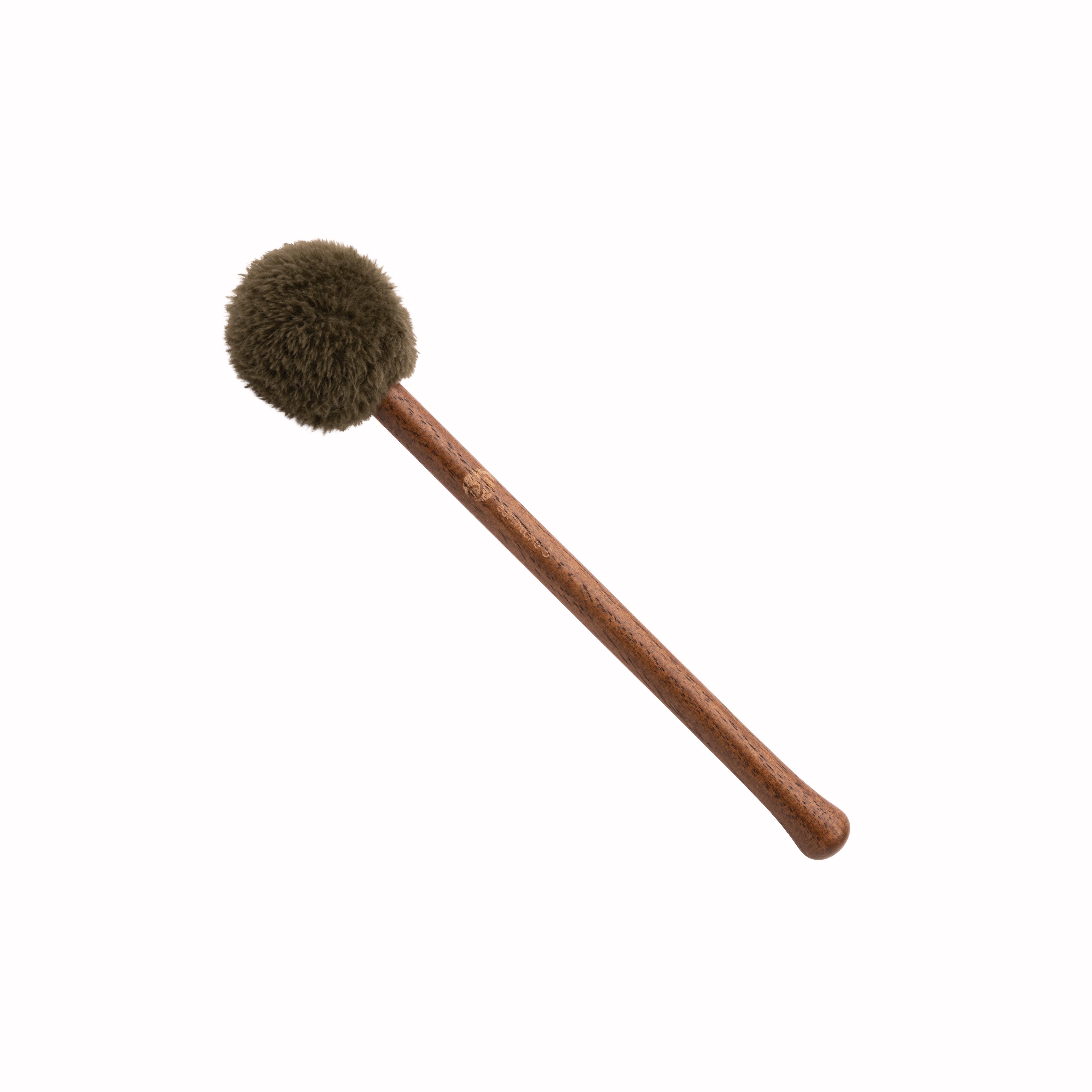
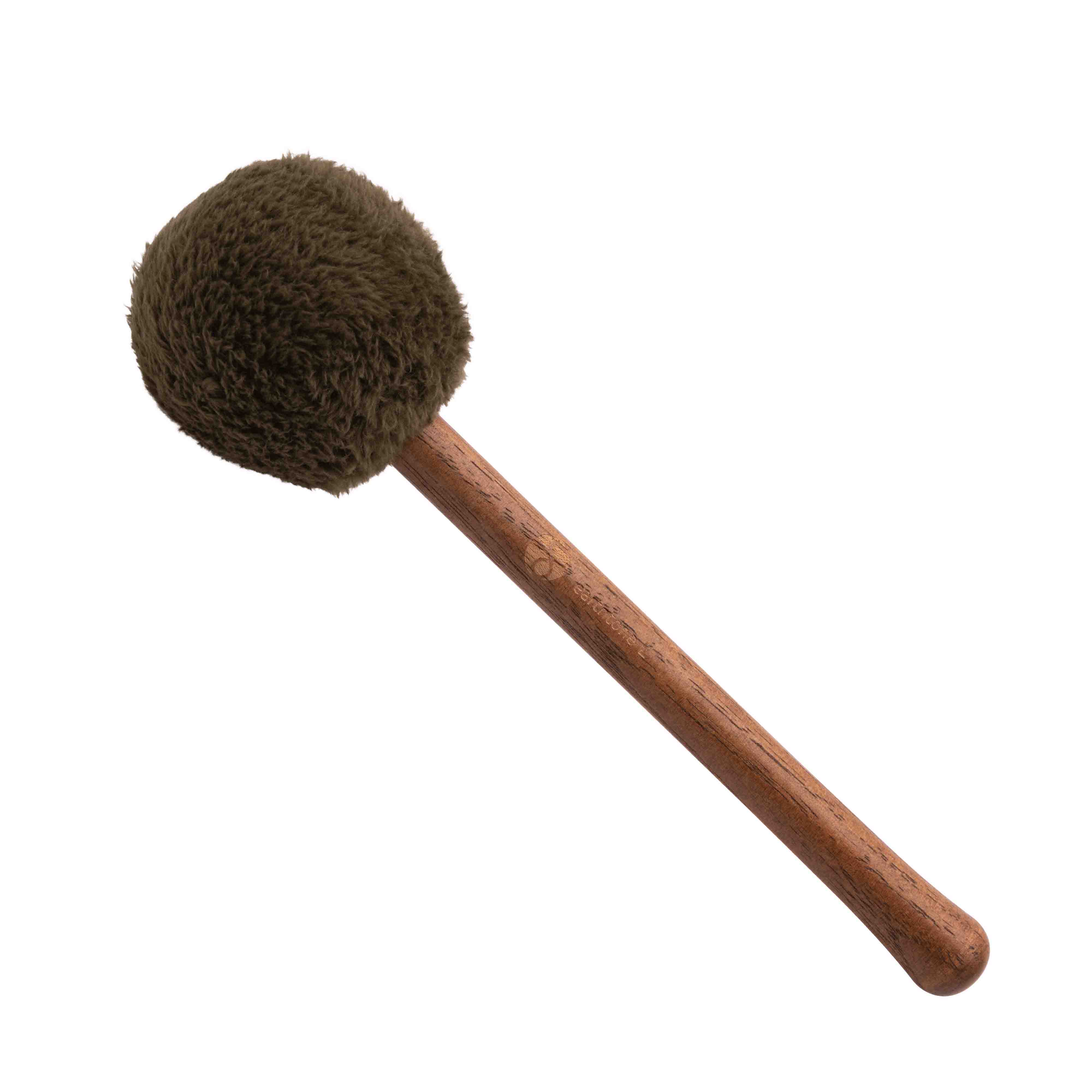
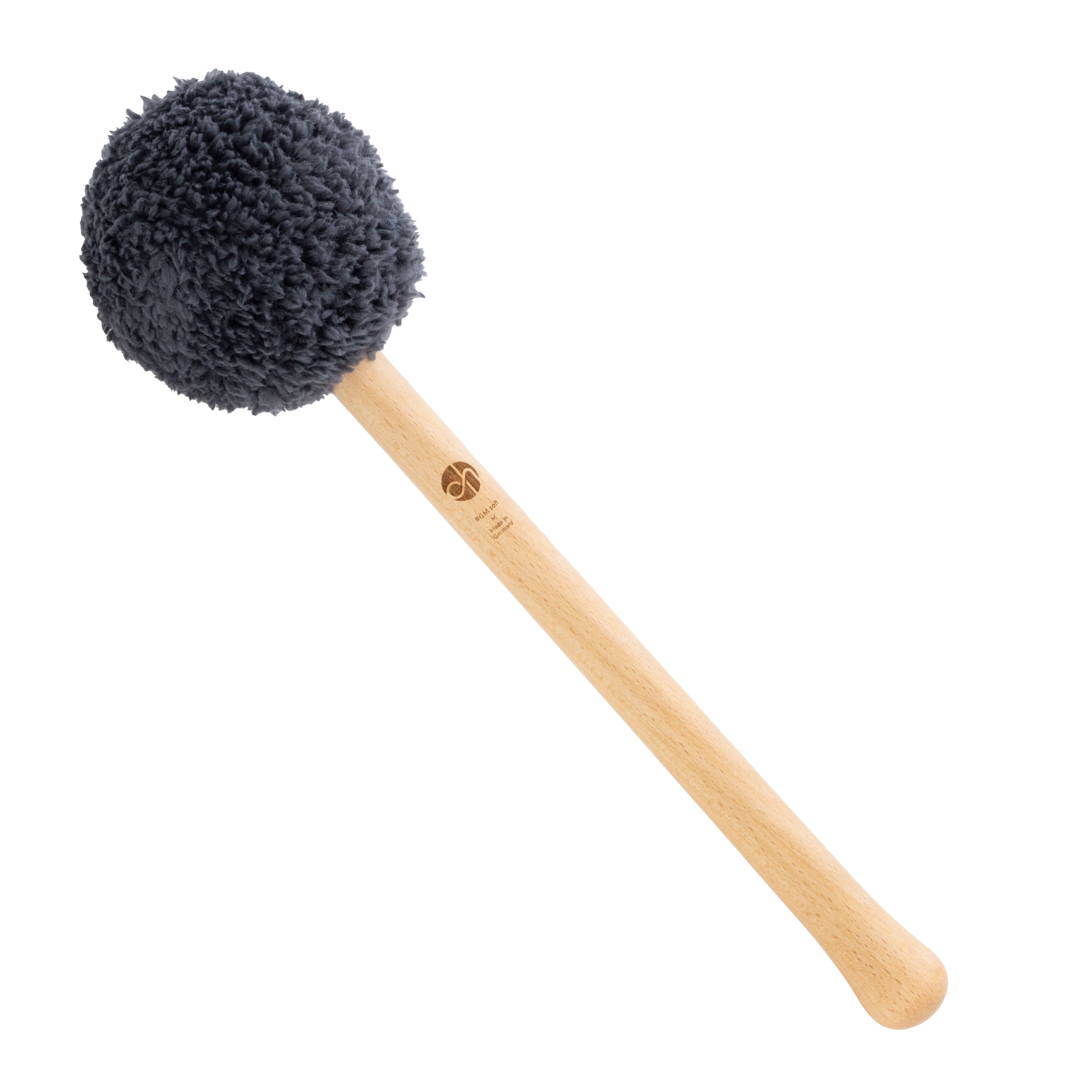
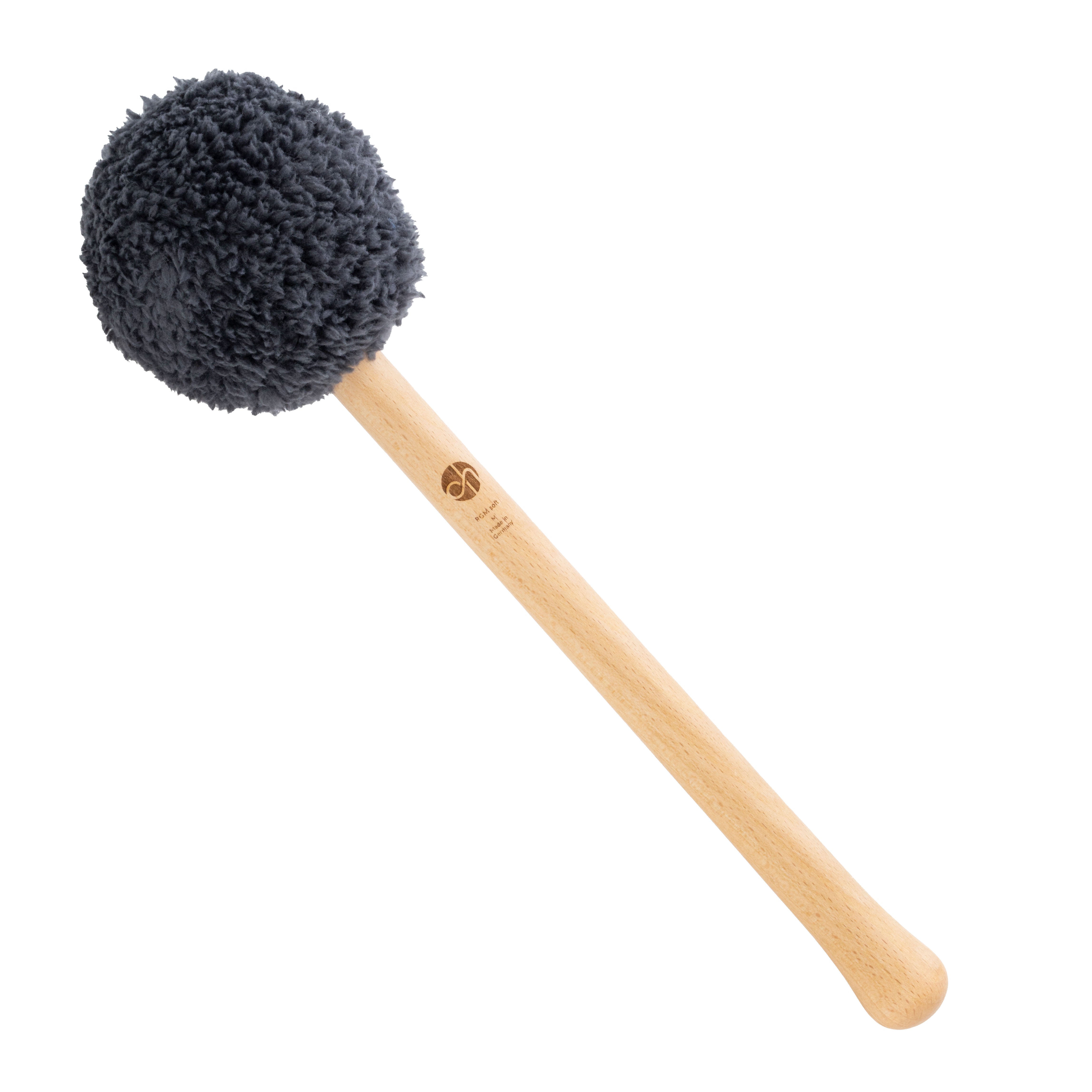
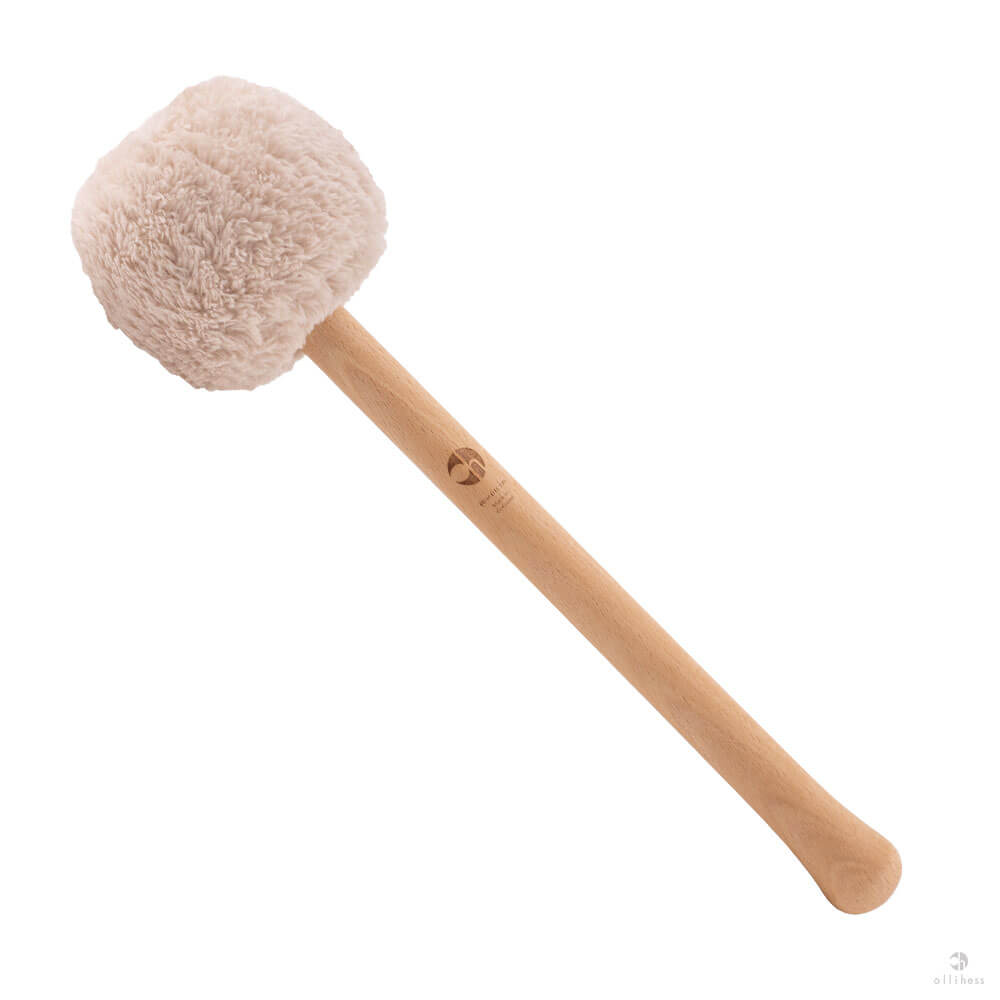
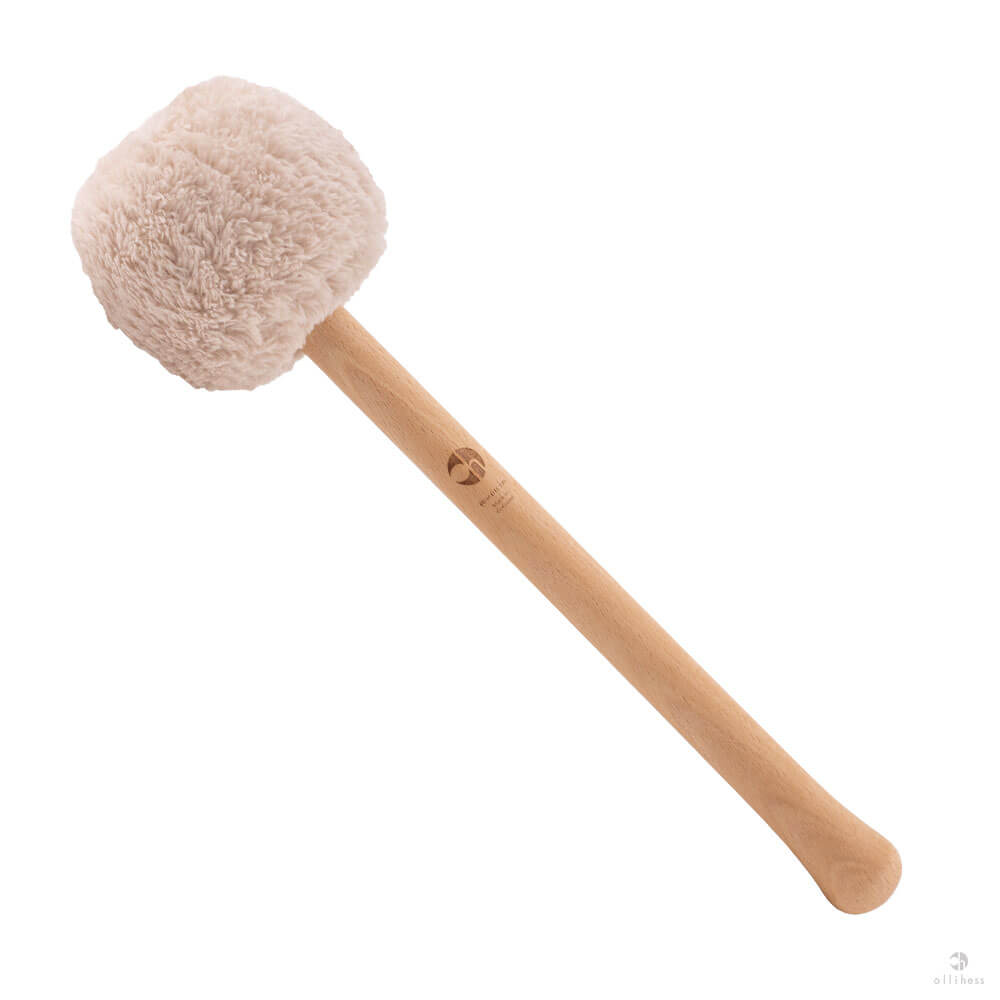
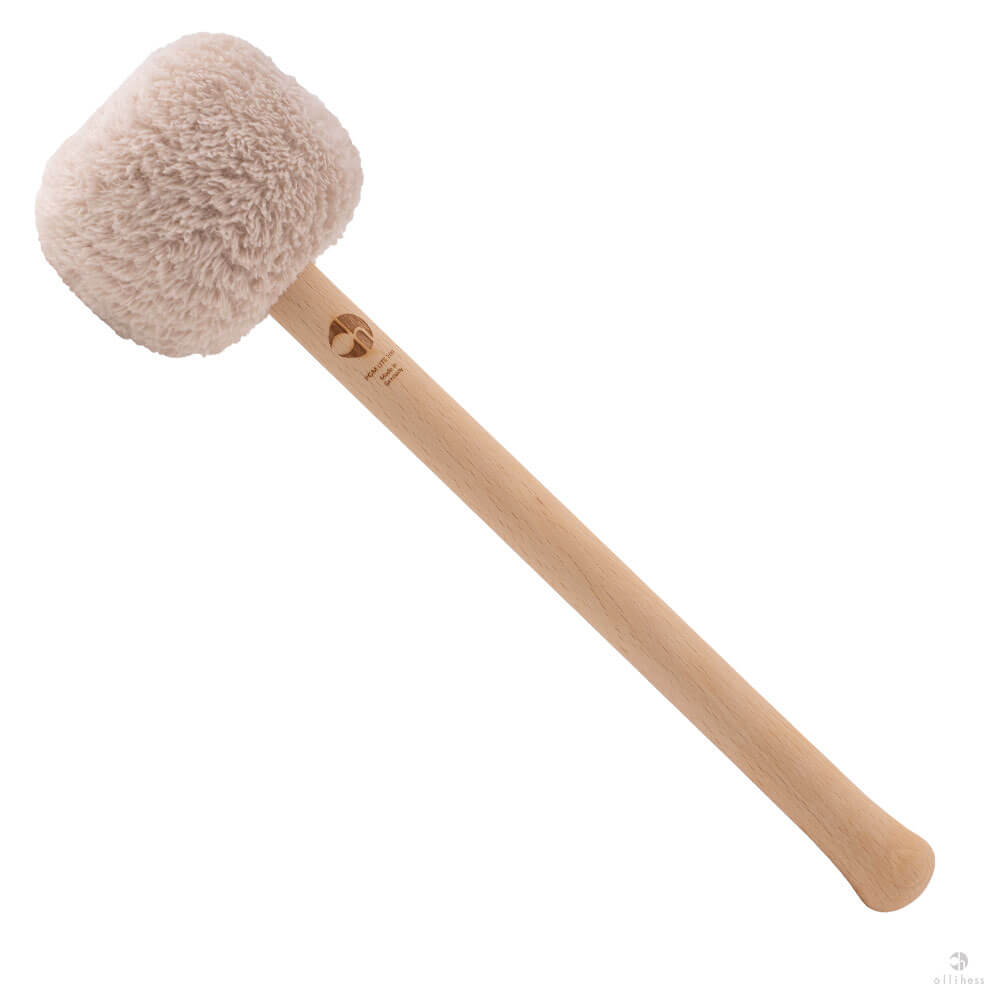
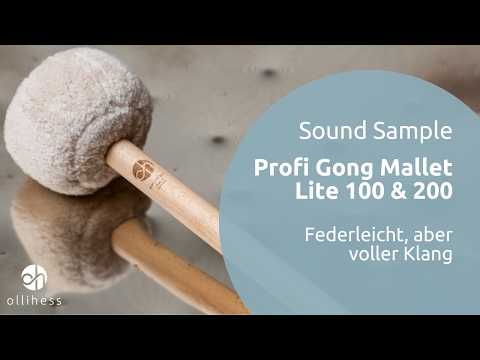
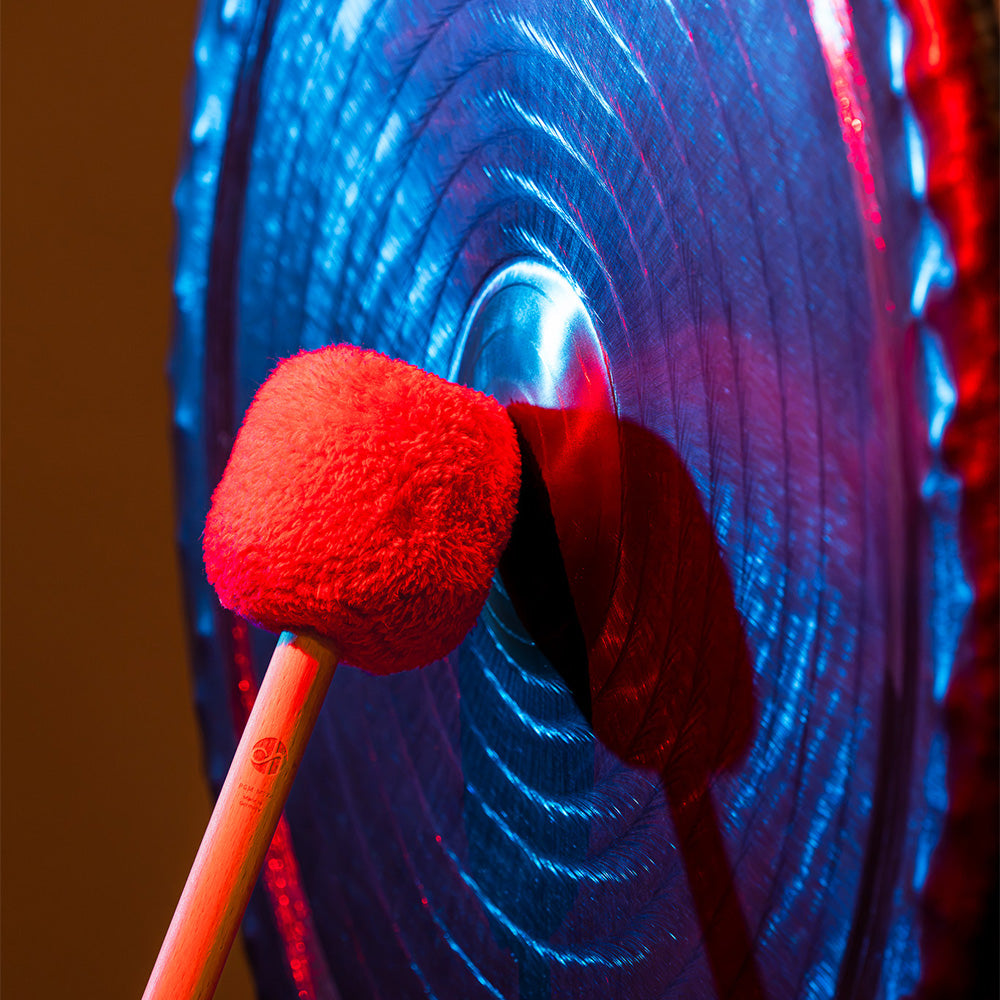
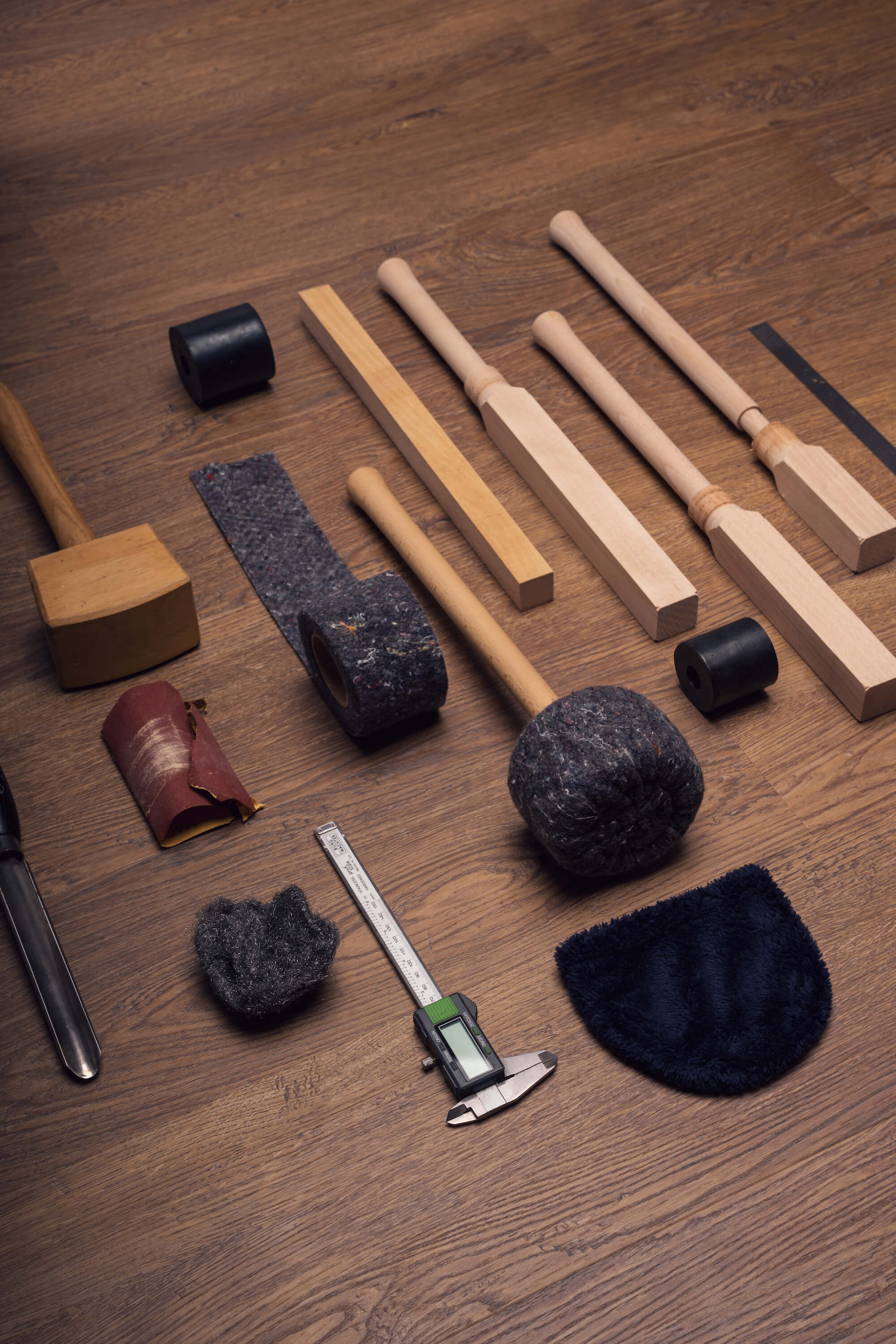
Using different mallets and gong strikers allows you to add further dimensions to your sound bath. For example, soft mallets can produce gentler sounds, while harder mallets can produce more direct, clearer sounds. Some mallets also enable entirely new playing techniques. For instance, with a friction mallet , you can produce long-lasting, singing tones that add new sonic nuances to your sound bath.
Which sound bath instruments go well together?
There are endless possibilities when combining different sound bath instruments. Pay particular attention to how their sounds complement each other, and experiment with different combinations. Deep, resonant gong sounds, for example, pair well with bright chimes or the gentle murmur of a rain sound column.
Try Koshi and Zaphir chimes to add subtle, melodic accents or create peaceful transitions. Power Chimes, with their clear, bright tones, can be used to highlight specific moments within a sound bath.
Rain columns and rainsticks are also suitable for transitions or as a sonic accompaniment to gongs and singing bowls. Their steady rustling brings a flowing sound structure to your performance. Ocean drums produce wave-like sounds, while drums and rattles can add rhythmic elements.
So during a sound bath, you can play these instruments both one after another and simultaneously. Experiment with different pitches, volumes, and pauses to figure out how to best incorporate the instruments into your setup. Often, it’s precisely the deliberate fading out of individual instruments that creates a varied sonic arc.
Which sound bath set is best for beginners?
If you’re just starting out creating a sound bath for yourself or others, it’s best to choose a “base instrument” first. A gong or a singing bowl works very well for this. Later on, you can beautifully complement your base instrument with additional singing bowls or other sound instruments. You can also use a chime for bright accents or a rain sound column for gentle, flowing sounds.
If you already have a gong and would like to expand your sound spectrum, it’s worth experimenting first with different mallets and strikers. Often, this alone allows you to discover entirely new timbres before adding other instruments.
The more experience you gain and the more familiar you become with your instruments, the more purposefully you can expand your sound bath set step by step. Experimenting and tuning into your inner feelings is at least as important as the selection of the instruments themselves. Perhaps you’d like to work more with deep resonances, discover additional overtones, or consciously create accents using smaller instruments. It often helps to take small steps at the beginning and let your set grow gradually. Of course, you can also start with several instruments at once—such as our Sound Bath Bowls Set—and explore how they interact.
What should I look for when buying sound bath instruments?
If you're looking to buy sound bath instruments, factors such as material, craftsmanship, and quality play an important role, in addition to your personal needs and intended use.
When making your selection, pay special attention to the following characteristics:
- Sound character: Do you prefer deep, warm sounds, or clear, bright tones rich in overtones?
- Resonance and Sustain: How long does a note continue to resonate, and how does it evolve as it is played?
- Material: Is the instrument made of high-quality and sustainable materials?
- Manufacturing and Craftsmanship:** How and where was the instrument made, and how does it feel when played? Is it well-crafted?
- Playing technique: Is the instrument played with the hands, a mallet, or a friction mallet ?
- Size and Transport: Do you want to hold your sound bath in a fixed location, or do you plan to transport the instruments regularly?
- Compatibility: Does this instrument complement your existing sound instruments well?
Take some time to explore different sounds and find the instruments whose sound matches your vision.
Sound Bath Instruments for Meditation, Yoga, and Sound Journeys
A sound bath is, first and foremost, a standalone sound experience that allows you to consciously listen to various tones, frequencies, and vibrations. However, sound bath instruments are also commonly used in meditation, yoga sessions, sound journeys, and sound healing. Depending on the application, you can offer a sound bath before or after a yoga or meditation session, working with sustained, steady tones or varying timbres and dynamics.
Sound bath instruments such as singing bowls, gently played gongs, or rain chimes can be a wonderful addition to yoga sessions, meditations, or sound journeys. Additionally, you can use wind chimes, cymbals, or wah-wah tubes to add individual accents or to accompany the beginning and end of a session. Nature-like sounds, such as the rustling of a rain chime, can be used to create a different atmosphere.