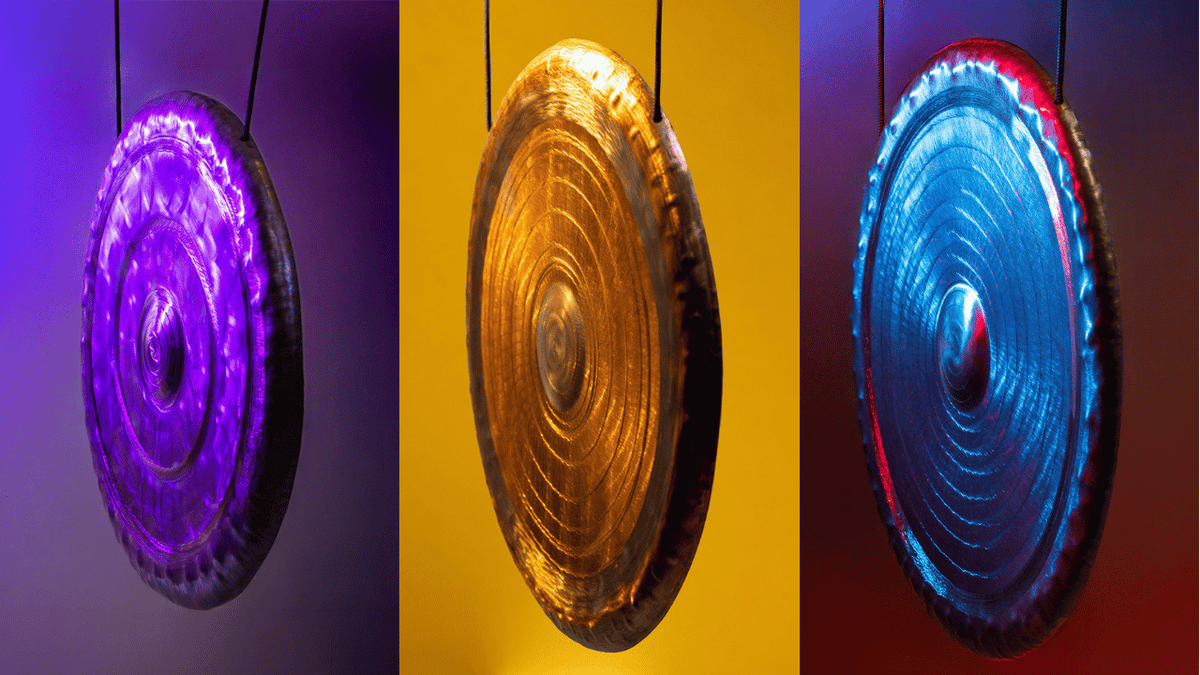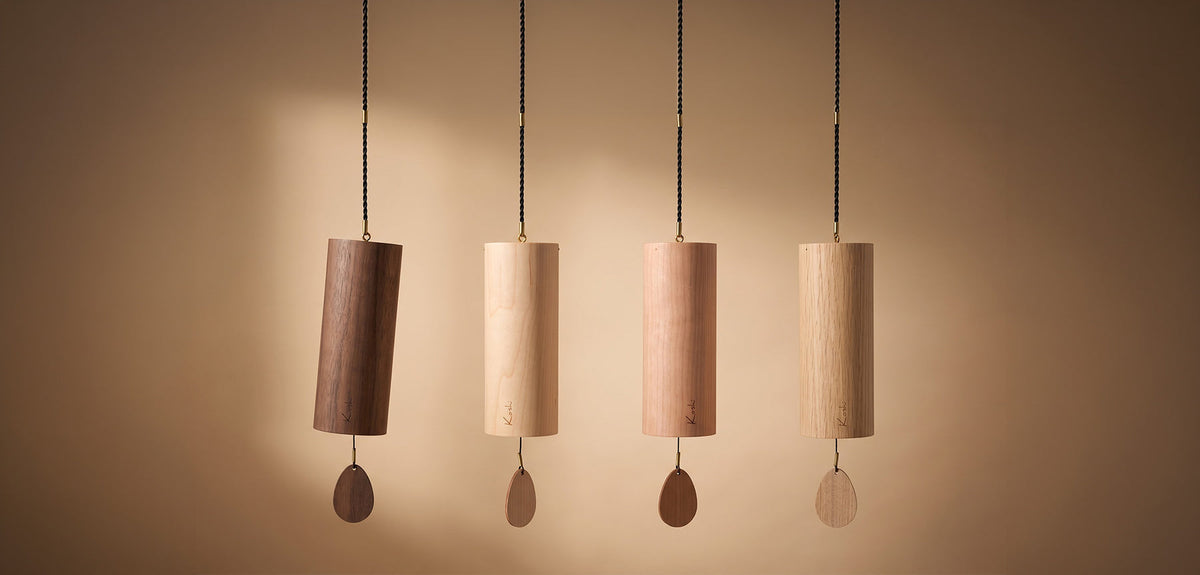


Are you looking for more inspiration for your daily sound practice? No problem! We've prepared a guide and a text to lead you step by step through your next sound meditation. We'll also explain what's important when it comes to a Singing bowl meditation or gong meditation, what you should keep in mind, and how long your sound meditation can last.
What is sound meditation?
In sound meditation, you combine meditation with the sounds and vibrations of musical instruments such as a singing bowl or a gong. You consciously focus your attention on the sound, your breathing, or your body awareness. You can learn sound meditation even without any prior experience and tailor it to your individual needs.
What do you need for a sound meditation?
Before you begin the sound meditation, there are a few things you can do to prepare. This includes, on the one hand, taking some time to relax, and on the other hand, setting up a singing bowl or gong:
- Time: Before the sound meditation, set aside about 15 minutes to get everything ready and get in the right frame of mind for the meditation.
- Quiet: Make sure you won't be disturbed and that no ringing cell phone or other people will interrupt your sound meditation.
- Coziness: Make yourself comfortable—for example, you can light a candle or use incense sticks and essential oils to create a pleasant atmosphere.
- Comfortable Position: Sit on a blanket or pillow to get comfortable.
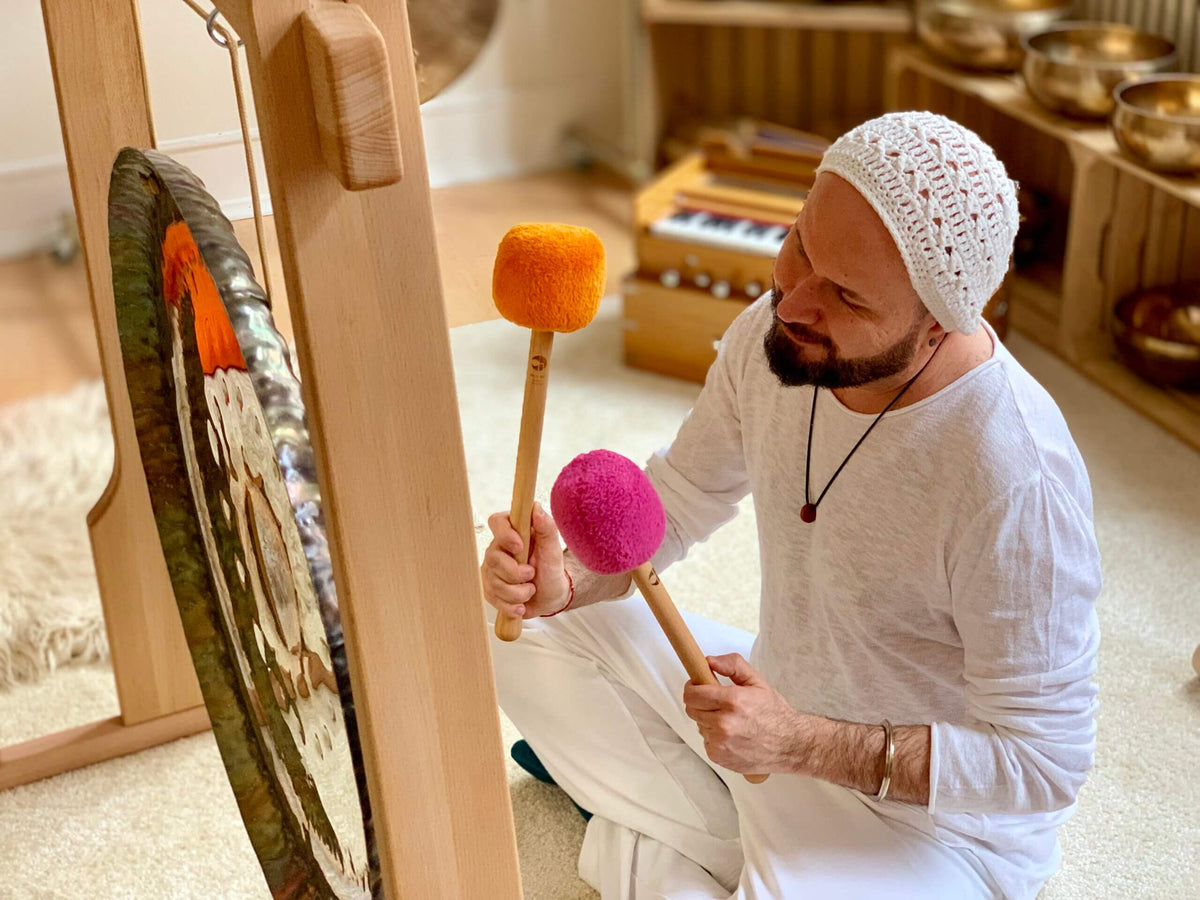
- singing bowl or gong: Imagine singing bowl or a gong, as well as a mallet or friction mallet so that you can mindfully strike the instruments during your sound meditation.
During the sound meditation, all you need to do is gently strike the singing bowl or the gong and let the sounds and vibrations wash over you.
Sound meditation: this is how you proceed
In sound meditation, your well-being and your needs take center stage. The more you can surrender to the sounds without letting external influences distract you, the more calming and relaxing sound meditation can be for you. With our guide, you can practice meditation using a singing bowls or gongs. To do so, take this text to heart, print it out, or use your phone to refer back to the steps throughout your sound meditation.

In our articles onsinging bowl meditation and the effects of singing bowls and gong meditations, you'll find even more helpful advice and tips.
Sound Meditation: Text & Instructions with a singing bowl , or gong
Perceiving Sounds
- Once you've found the right position for your sound meditation, gently strike the singing bowl or the gong once with the mallet.
- Listen to the sounds very consciously. Try to pick up on the individual nuances and observe how the sound changes.
- Hit the gong or singing bowl again when the sound slowly subsides.
- Now close your eyes and get more and more involved with the sound waves.
- Keep bringing your attention back to the present moment. When everyday thoughts arise, let them drift by like clouds.
Feel the vibrations in your body and follow them
- Try to sense in which parts of your body you can particularly feel the vibrations of the singing bowl or the gong. Perhaps you can feel the vibrations traveling through your body. There is no right or wrong way—just notice what you feel during your sound meditation.
- If the sound subsides, strike the gong or singing bowl again.
- When new thoughts arise, acknowledge them briefly and then let them pass. Focus entirely on the present moment.
Focus your attention on your breathing
- Breathe in and out very consciously, and now focus your attention on your breathing. Notice how it reacts to the sounds.
- You don't have to play your instrument continuously strike. Take short breaks to enjoy the sound meditation. Once the break is over, strike the singing bowl or the gong again. Now take it one step further.
Focus on areas that feel good
- Try to focus on a part of your body that feels good today. Concentrate all your energy on that part.
- All your attention is now focused on this part of your body. Now you can use the gentle vibrations to make this positive feeling stronger and more intense.
- Your breathing will help you with this: Imagine that with each inhalation, you’re absorbing the sound waves from the singing bowl or the gong at this point in your body, and with each exhalation, you’re expanding that positive feeling even further. Hold onto this image for as long as you’d like.
Did you know? At ollihess, in addition to gongs and mallets, you can also find the Peter Hess® Universal Bowl, which is ideal for use in sound meditation.
A Slow Return
- Slowly find your way back to the here and now.
- Strike your sound instrument one last time and consciously take two or three deep breaths.
- When you're ready, gently open your eyes.
How to end the sound meditation
Once you’ve enjoyed the sound meditation in all its facets, you can slowly come to a close. To do this, strike the gong or the singing bowl once more, take in the multifaceted tones, nuances, and vibrations one last time, and try to carry them from the sound meditation into the here and now. Remain in your chosen position for a few moments after the sound has faded. Only when you’re ready should you slowly find your way back to the room you’re in. Be sure to take enough time to let your sound meditation come to a natural end. To wrap up, take one last deep breath, notice how you’re feeling now, and anchor that feeling from the sound meditation in your mind. Finally, you can open your eyes and gently stretch your body.

How long should a sound meditation last?
How much time you set aside for your sound meditation is entirely up to you. To get started, 10 to 15 minutes is a good place to begin. Of course, you can also listen to the sounds and meditate for longer.
What's good is what does you good—because every sound meditation is as unique as the person experiencing it.
Have you already found your own ways to relax and find more inner peace through sound meditation? If so, you can, of course, adapt the sound meditation however you like. When it comes to relaxation methods like sound meditation, the rule is always: whatever works for you is good. Focus entirely on your own needs and tailor your sound meditation to whatever feels best for you.