

Sound yoga opens up a way for you to connect even more deeply with yourself and your body through the vibrations emitted by a sound instrument. The combination of asana practice and the intense sounds of a gong or singing bowl makes it even easier for you to immerse yourself in a meditative state and consciously flow through your yoga practice. In this article, you can find out exactly how gongs and singing bowls are used in sound yoga and what the possibilities and benefits are.
What is sound yoga?
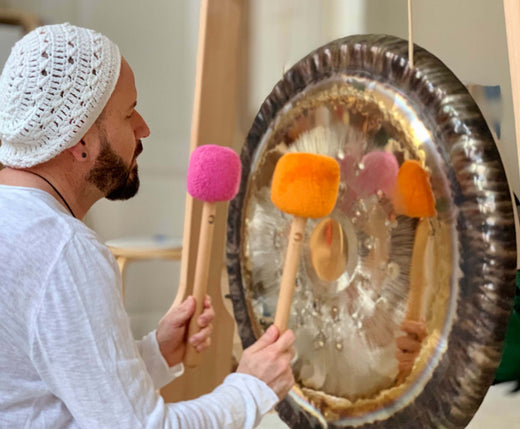
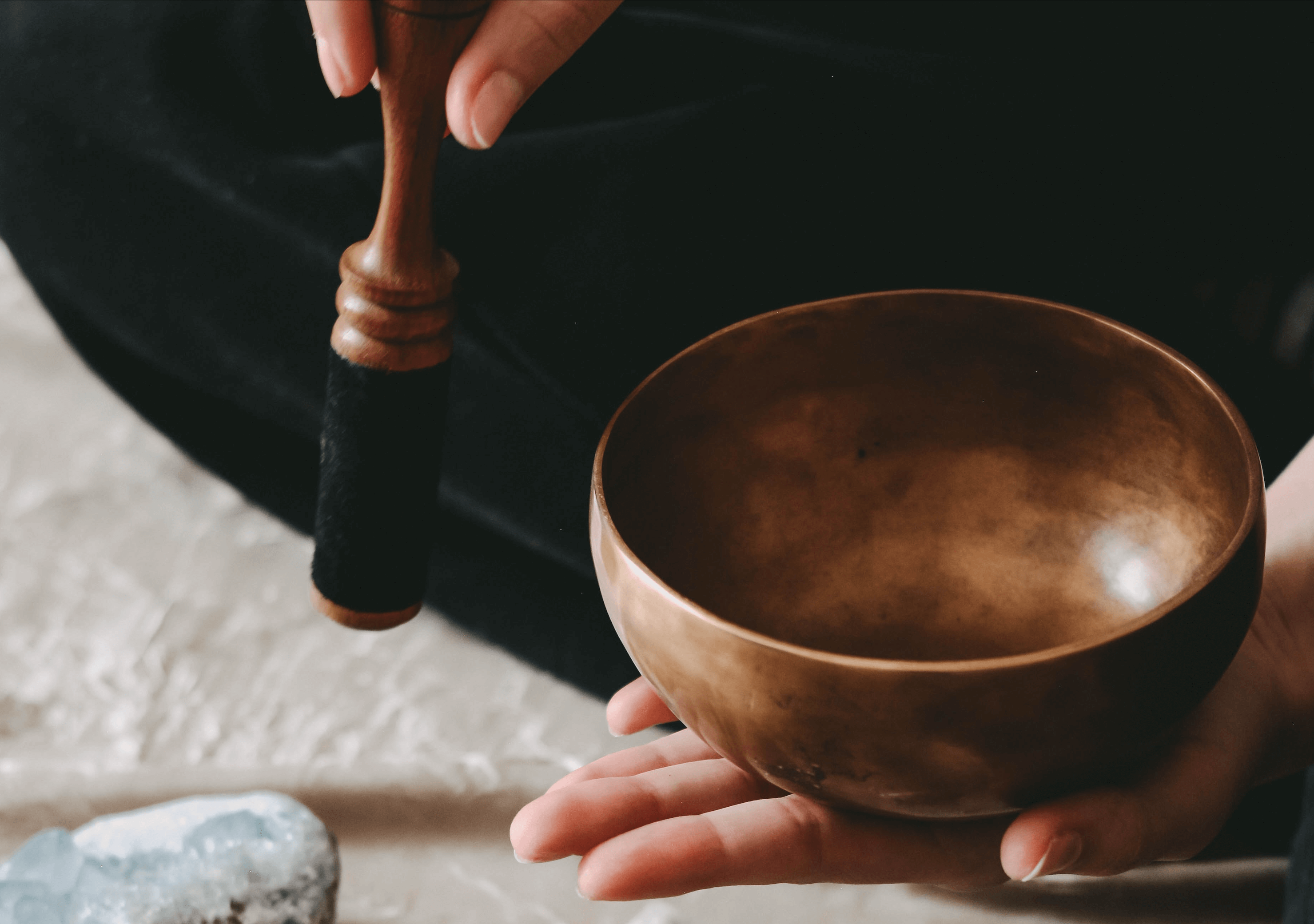
Sound yoga, also known as sound yoga, combines Sound meditationsound massage and yoga into a unique experience. The yoga practice (asana) allows you to strengthen your own body awareness, while the sounds of singing bowl and gong flow through your physical body and provide well-being and relaxation from within. Sound yoga offers a deep form of meditation that unites body and mind and helps you to recharge your batteries. Many cultures around the world have been using meditation and sound in combination for centuries to achieve an even deeper form of relaxation. The powerful sound of the gong and the intense tones of singing bowl not only appeal to your senses acoustically, but also create gentle vibrations that flow through your entire being. In combination with an asana practice, this has an even more intense power - and influences the entire energy movement of your body. Traditionally, sound yoga is practiced with a Gong whose opulent sounds can fill the entire room. Yoga and singing bowl can also be harmoniously combined - this form of sound yoga in particular is becoming increasingly popular today and is already offered in many yoga studios.How does a sound yoga class work?
There is no fixed, prescribed sequence for what a sound yoga class should look like. Each yoga teacher brings their own experiences, feelings and thoughts to the class, so that every class is a unique experience.- Nevertheless, there are rough sequences that are often very similar. Some teachers only use the gong or singing bowl in yoga at the beginning and end of the class to create a meditative opening and closing. Others, on the other hand, fill the room with the gentle sounds of the sound instruments continuously during the yoga class in order to make targeted use of the relaxing effect.
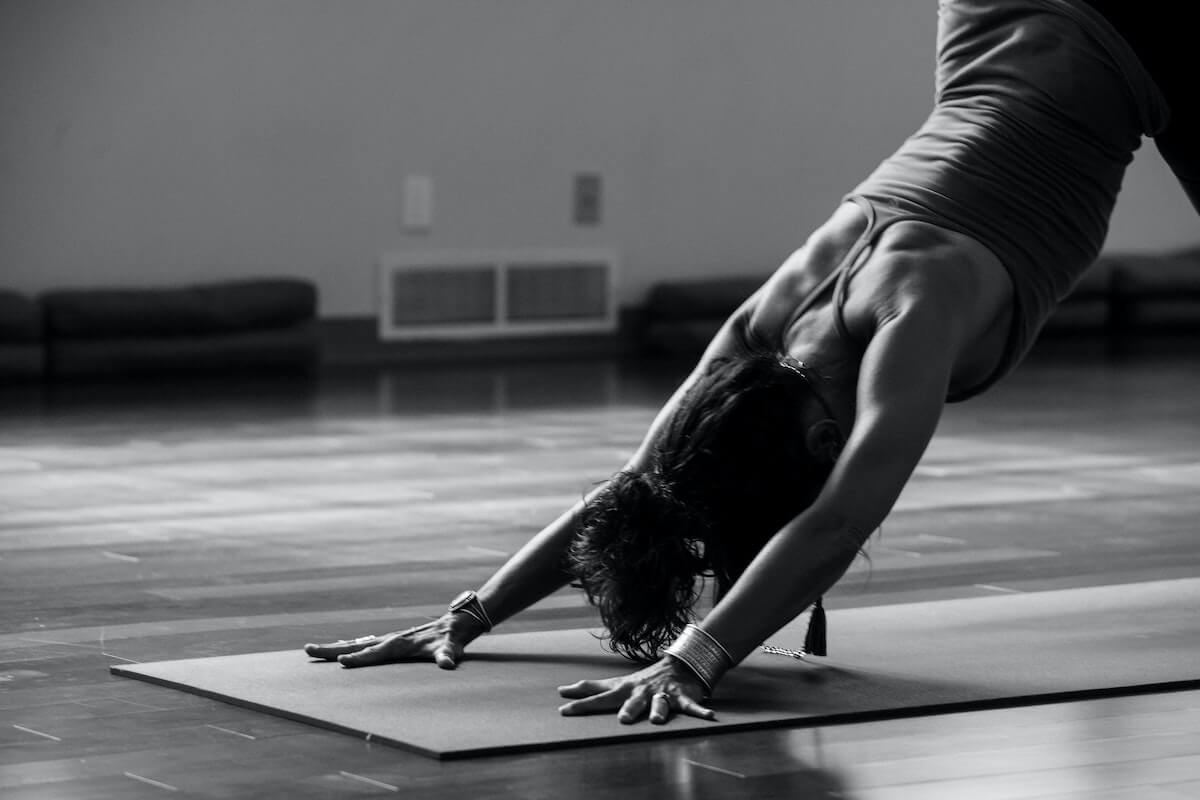
- The asanas are usually calm and very mindful so that you can listen to yourself more easily and hear your inner voice. The postures are usually held for longer and carefully aligned.
- The more spacious a gong is played, the more intense the effect on your body and mind can be.
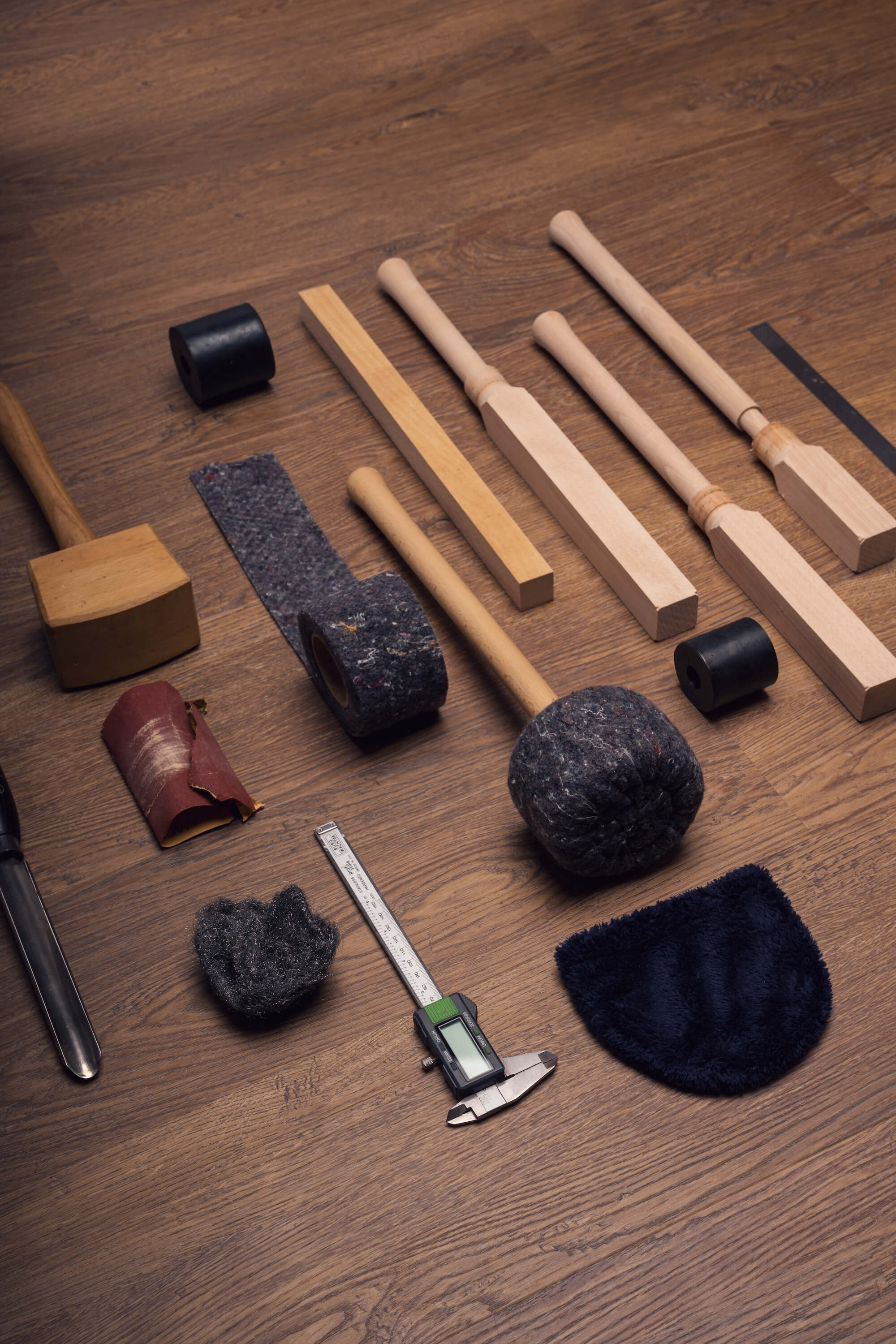
- The various ollihess mallets and friction mallets allow you to create harmonious sounds for yourself – or your participants and the respective setting. In our article, you can learn more about the differences between mallets and friction mallets.
How can sound yoga affect your body and mind?
Sound yoga can stimulate the energy movement of your body (i.e. your prana) and thus facilitate the flow of life energy. Prana is an ancient Indian word that translates from Sanskrit as "life energy" or "life force". Prana plays an important role in Hinduism in particular, as a person's life energy is considered to be part of infinite life. You may have heard of pranayama, a breathing technique that is also intended to facilitate the flow of your prana. And this is exactly where sound yoga comes in - because the vibrations of the gong or singing bowl can also activate your life energy (prana) in combination with yoga. However, yoga with sounds can also affect you, your senses and your well-being in other ways:- It can relieve your pent-up stress and help you relax.
- It can lower your blood pressure thanks to its calming effect.
- Yoga with gong and singing bowl can reduce anxiety.
- Sound yoga can improve your well-being and bring you into inner balance.
- The vibrations of the sounds during sound yoga can sharpen your senses.
- It can improve the flow of your life energy (prana).