

Care Guide · Gong
This Way, Your Gong Will Keep Ringing Forever
Your gong is crafted in collaboration with Broder Oetken from high-quality nickel silver and is personally tested for tone by Olli. With proper care, it will retain its surface, luster, and full tone for years to come.
Why Care Is Important
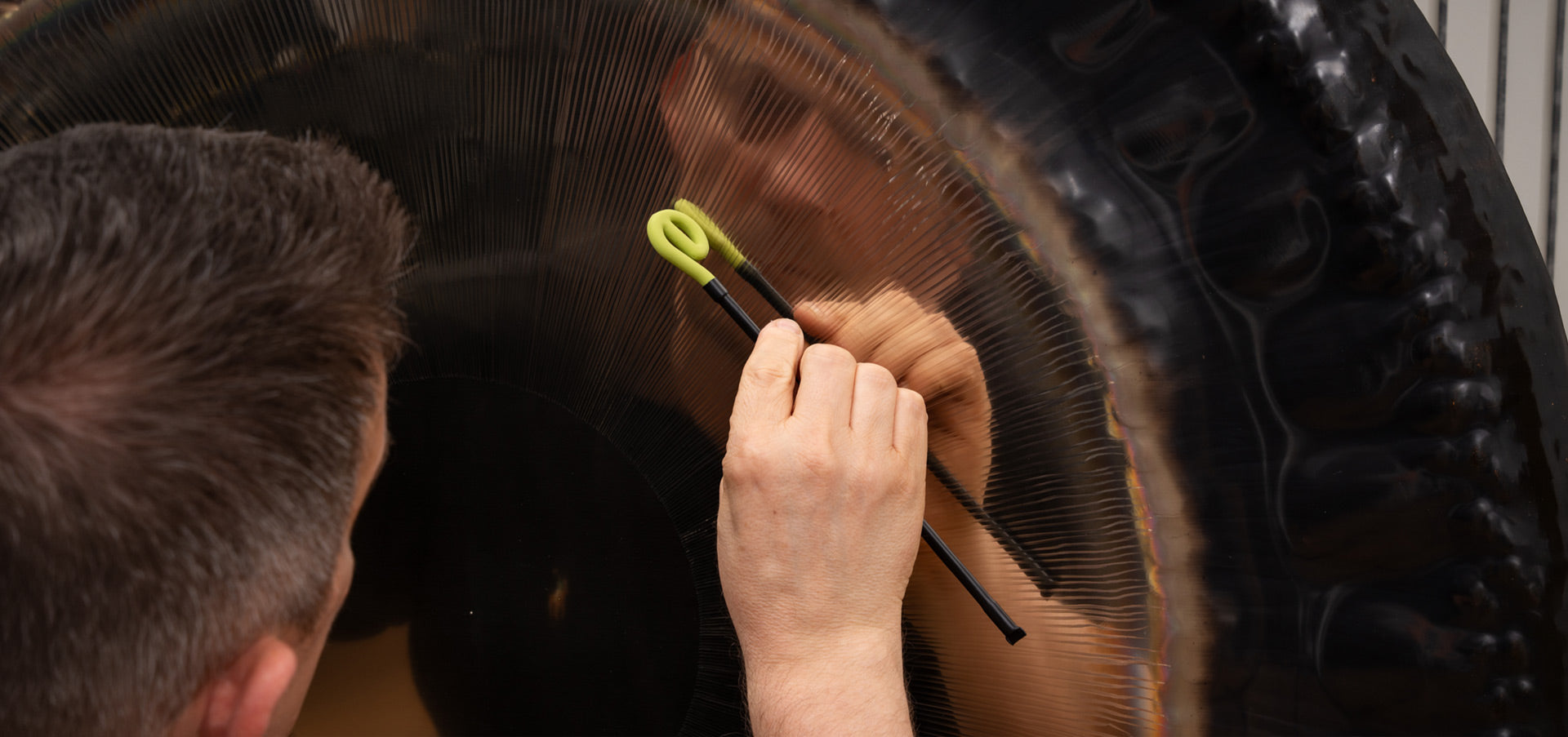
A gong is a large metal surface that reacts to touch, moisture, and cleaning agents. Over time, fingerprints, dust, and the wrong cleaning products leave marks—which not only affect its appearance but can friction mallet influence its sound through the friction mallet .
The most common causes of marks:
- Fingerprints and skin oils on the surface
- Dust and dirt that accumulate
- Harsh or unsuitable cleaning products
- Polish residue from the last cleaning
How to Clean Properly
Nickel-silver gongs
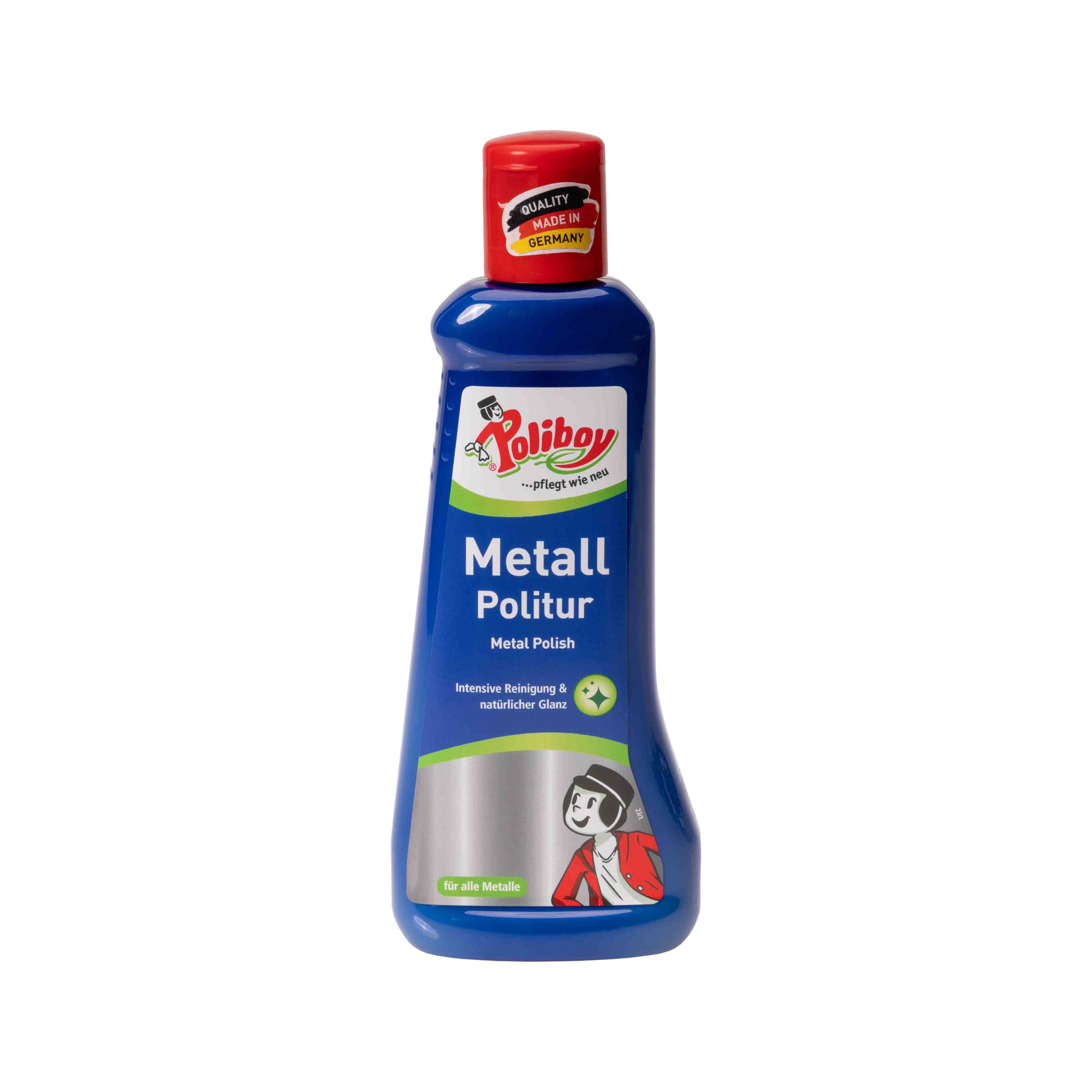
It works best with Poliboy metal polish —that’s what works best for us. We recommend applying the Poliboy with strips cut from an old cotton T-shirt. Have enough strips ready and keep using a fresh one until there’s no more Poliboy visible on the gong.
Bronze gongs (TamTam, Feng-Gong)
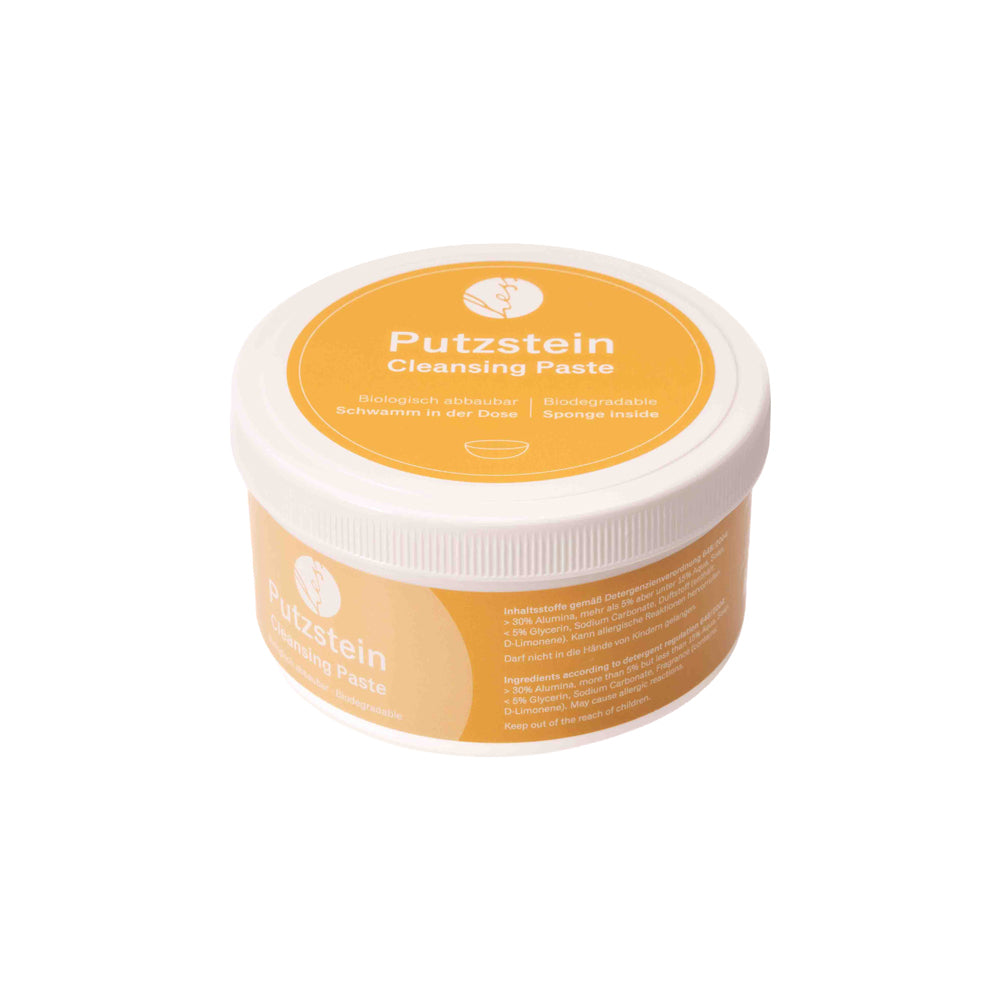
The best way to clean them is with the cleaning stone. Lightly dampen the included sponge and rub the cleaning stone onto the gong in circular motions. Then rinse it off with a garden hose.
It's best to do this outdoors, out of direct sunlight. Just like with the nickel-silver gong, take your time and set up your little cleaning station beforehand.
What We Do Not Recommend
Please do not use standard dish soap or household cleaners. In most cases, they are ineffective or can even damage the gong. Use only products that are specifically designed for musical instruments.
Note: You don't need to clean the rim of our gongs. It's waxed and can't be easily re-waxed.

In the video: How to clean your gong
Here's How to Prevent It
- If possible, hold the gong only by the edges or with a cloth.
- After playing, quickly wipe the surface with a dry cloth.
- Protect from moisture and direct sunlight.
- If you play near the water, clean the gong right after you're done—otherwise, moisture and salt can cause it to tarnish.
- When not in use, cover it or store it in its case.
Good to know: A clean gong also keeps your friction mallet in better condition friction mallet , because less residue builds up on the rubber ball.
For heavy soiling or stains
If the gong has stubborn stains or tarnish, targeted cleaning with the right products can help.
Important: Please do not use abrasive cleaners, steel wool, or harsh cleaners—they will permanently scratch the surface. Use only products designed for metal musical instruments, such as cleaning stones and metal polish.
Note: Minor signs of wear are normal and do not affect the sound quality. You should only remove heavy dirt.
Olli's Tip from the Workshop
Make Gong Cleansing Your Ritual
After each session—or before playing, if you haven't played in a while—quickly wipe your gong once with a good microfiber cloth. This friction mallet you friction mallet dragging dirt into the gong with the friction mallet and also keeps your mallet clean. A clean gong lasts longer and is simply more fun to play.
Our recommendation—all in one
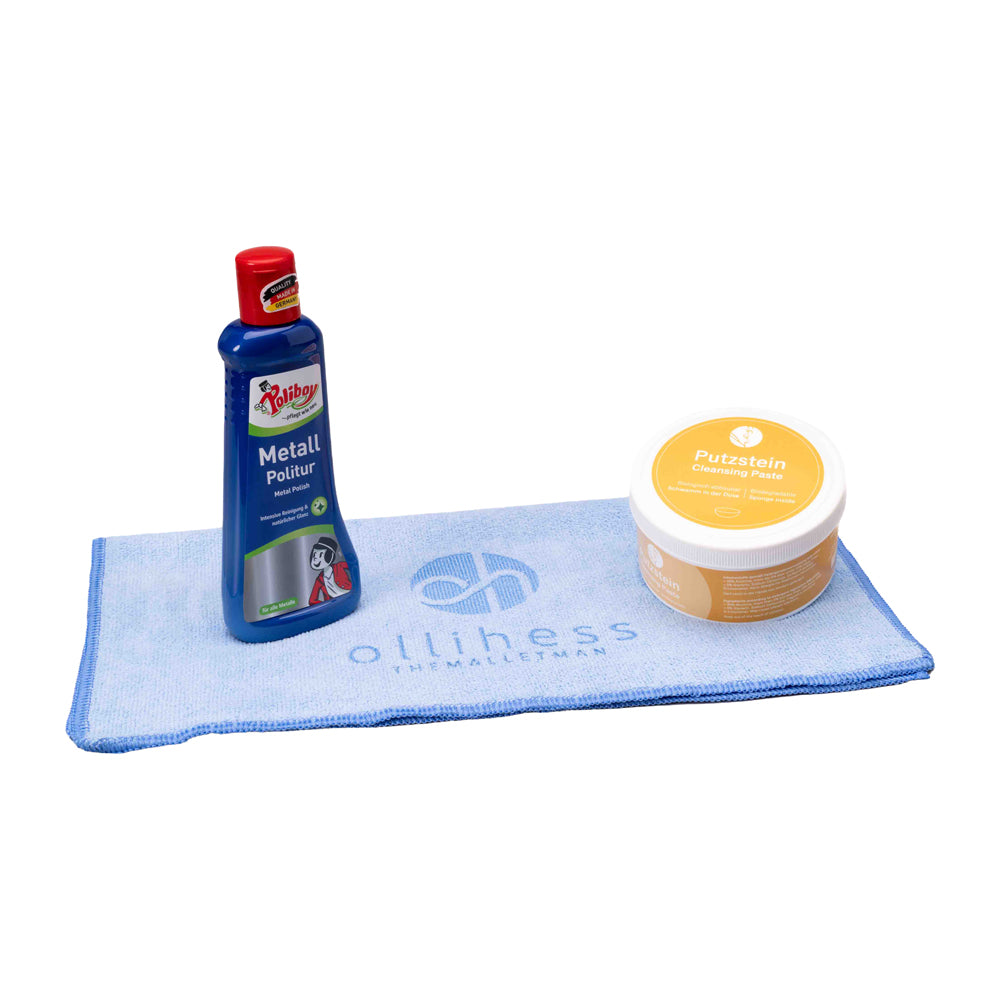
The Gong Care Bundle Set
Metal polish, cleaning stone, and microfiber cloth—cleverly combined in one set. Just what you need to keep nickel silver and bronze gongs clean and sounding their best.


Family-Owned Business
For us, sound is a family affair
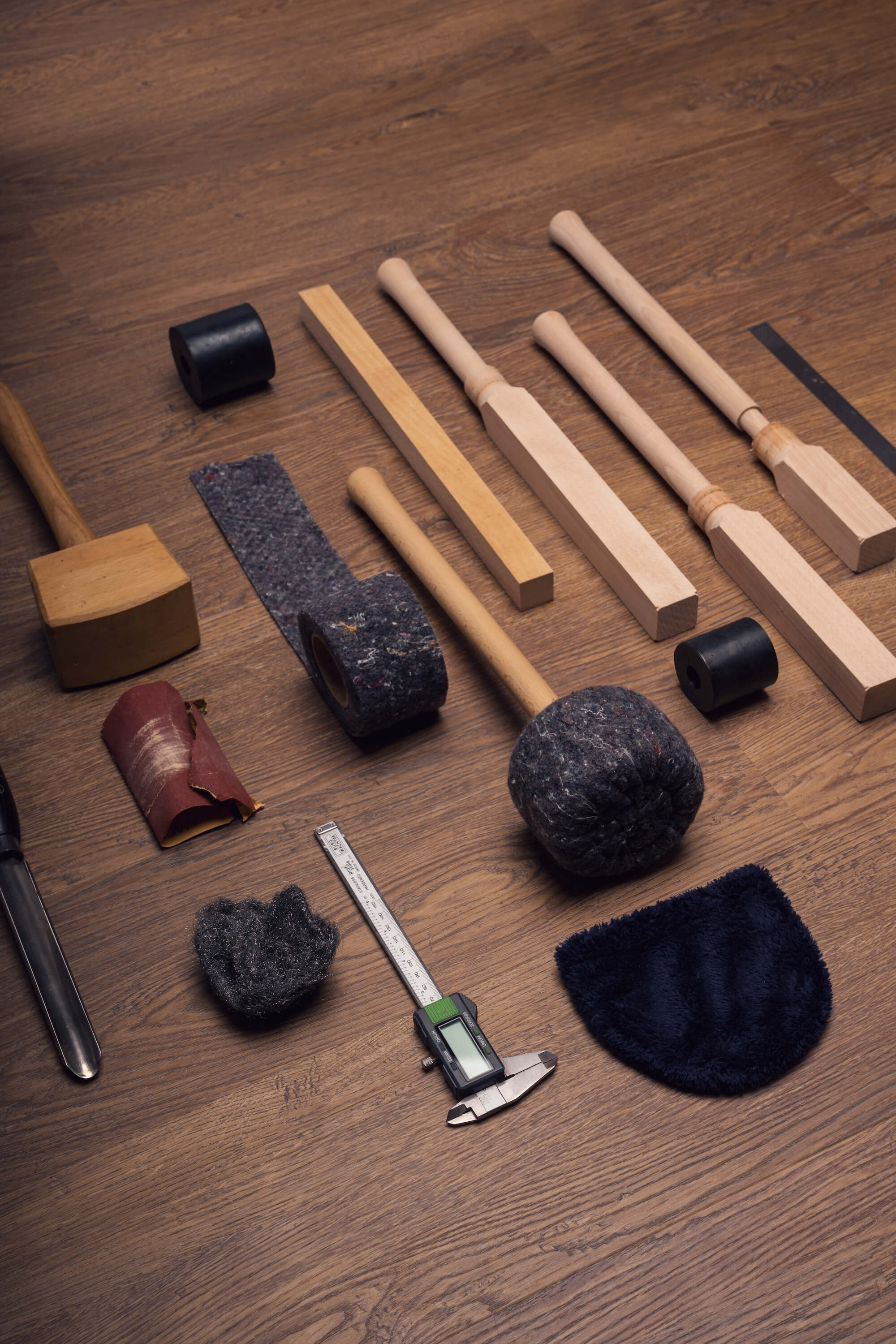
Every mallet and every friction mallet in our own workshop. From the very first step to the final sound check, everything is handled in-house, with time, experience, and attention to detail.
- 100 %
- Handcrafted
- 1
- Family, a Workshop
- ∞
- Attention to detail

FAQ
Short answers to the most common questions about your gong.
Why is there a dot in the middle of the gong? Is that a scratch?
No, that's not a scratch. It's simply the center of the gong, from which the gong maker marks the center, the membrane, and the rim with a compass. This is part of the craftsmanship and is completely normal.
Can I play my gong by the water?
Yes, definitely! Just remember to dry it thoroughly afterward. If it gets very salty, you should clean it right away; otherwise, the gong might tarnish.
Can I take my gong with me into the sauna or the salt cave?
Yes, you can do that, too. Just like with water, the rule is: dry it right away and then clean it to prevent the gong from tarnishing.
Do I put the Poliboy right on the gong?
No, we don't recommend that. Put the Poliboy on a piece of an old cotton T-shirt and rub it in with that. That way, you'll prevent any stains on the gong.
Do I need to clean the rim of my gong?
No, you don't need to clean the rim of our gongs. It's waxed and can't be re-waxed that easily. Just focus on cleaning the playing surface.
Will minor signs of wear affect the sound of my gong?
No. Subtle marks, a light patina, or minor changes to the surface are a natural part of the aging process and do not affect the sound. In fact, they make your gong one-of-a-kind.